


Major overhaul to Senedd sees sharp rise in elected members
Alec Doyle, Local Democracy Reporter
A Welsh county borough will be represented by 18 members of the Senedd under the new voting system in place for the upcoming Welsh Government Elections.
That is three times the number who currently represent the authority and eight more than the number of councillors on Wrexham Council’s Executive Board.
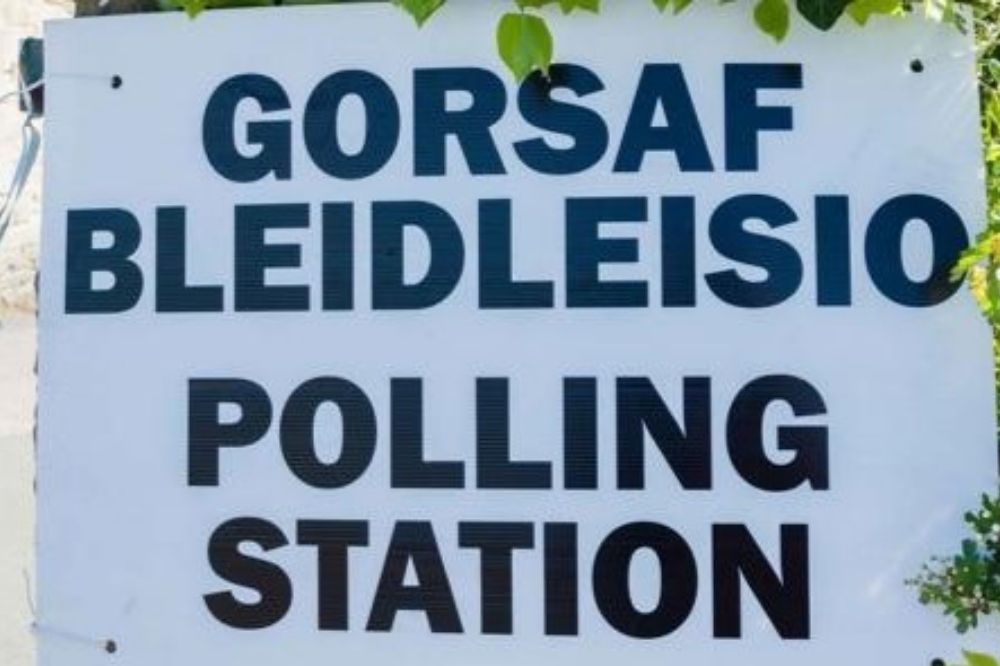
Both Wrexham and Flintshire will elect a record number of members to represent them in the Senedd when polls open on Thursday, May 7.
The reasons for this are the redrawing of constituency boundaries and the new closed proportional list system.
This has resulted in Wrexham County Borough stretching across three different constituencies – Fflint Wrecsam, Clwyd and Gwynedd Maldwyn.
Each constituency elects six Senedd members, there will be 96 in total for Wales meaning Wrexham residents will have 18 representatives in Cardiff.
Flintshire, which straddles Fflint Wrecsam and Clwyd, will have 12. Both are an increase. Flintshire currently has six representatives – the four regional North Wales members plus two constituency members.
Wrexham also currently has six representatives as it has an elected member for Wrexham plus the member for Clwyd South, who represents part of the county borough.
“For 25 years, the number of members in the Senedd has stayed the same, even though it now has more responsibilities, like full law-making powers and the ability to change some taxes in Wales,” according to the Welsh Parliament’s explanation of the new system.
“Having more members will help the Senedd better review and challenge the Welsh Government’s plans and spending on important issues like hospitals, education, and transport.
“This will give your community a stronger voice in these decisions.
“With 96 members, the number of representatives you’ll have in the Senedd comes in line with other countries of a similar size to Wales – like Scotland which has 129 members and Northern Ireland which has 90.”
The majority of Wrexham is represented by Fflint Wrecsam constituency, which also covers roughly half of Flintshire.
But from Bersham and Rhostyllen down to Chirk and across to Pen-y-Cae, Pontfadog and Glyn Ceiriog fall into the new Gwynedd Maldwyn constituency while Llangollen, Pontcysyllte, Froncysyllte, Trevor and Garth are now part of the Clwyd constituency.
The Senedd
The Senedd is expanding to 96 members with each of Wales’ 16 constituencies having six members.
The Fflint Wrecsam constituency will stretch into Flintshire including Treuddyn, Caegwrle, Hope and Cefn-y-Bedd up through Broughton, Buckley and Hawarden and along the banks of the Dee through Shotton, Connah’s Quay and Flint up to Bagillt and Walwen.
But Mold, Northop Hall, Leeswood, Nercwys, Northop, Pentre Halkyn Holywell and Brynford and all Flintshire territory north and west of those communities is within the Clwyd constituency.
Voters in each area will get a single vote – which they give to a single party or independent candidate.
Seats will then be allocated to candidates – who have been given a predetermined priority order by their parties – based on the percentage of the vote received.
Put simply if one party receives 50% of the vote share in Fflint Wrecsam, its top three candidates will get three of the six seats. If another party gets 30%, its top two candidates will get a seat each.
Under the old voting system one seat was allocated using ‘first past the post’ for each constituency, with regional seats awarded through proportional representation.
Support our Nation today
For the price of a cup of coffee a month you can help us create an independent, not-for-profit, national news service for the people of Wales, by the people of Wales.
Get more trusted Welsh news
Choose Nation.Cymru as a preferred source in Google News to see more of our journalism.


