


Marine wildlife centre celebrates 30 years of protecting Welsh dolphins
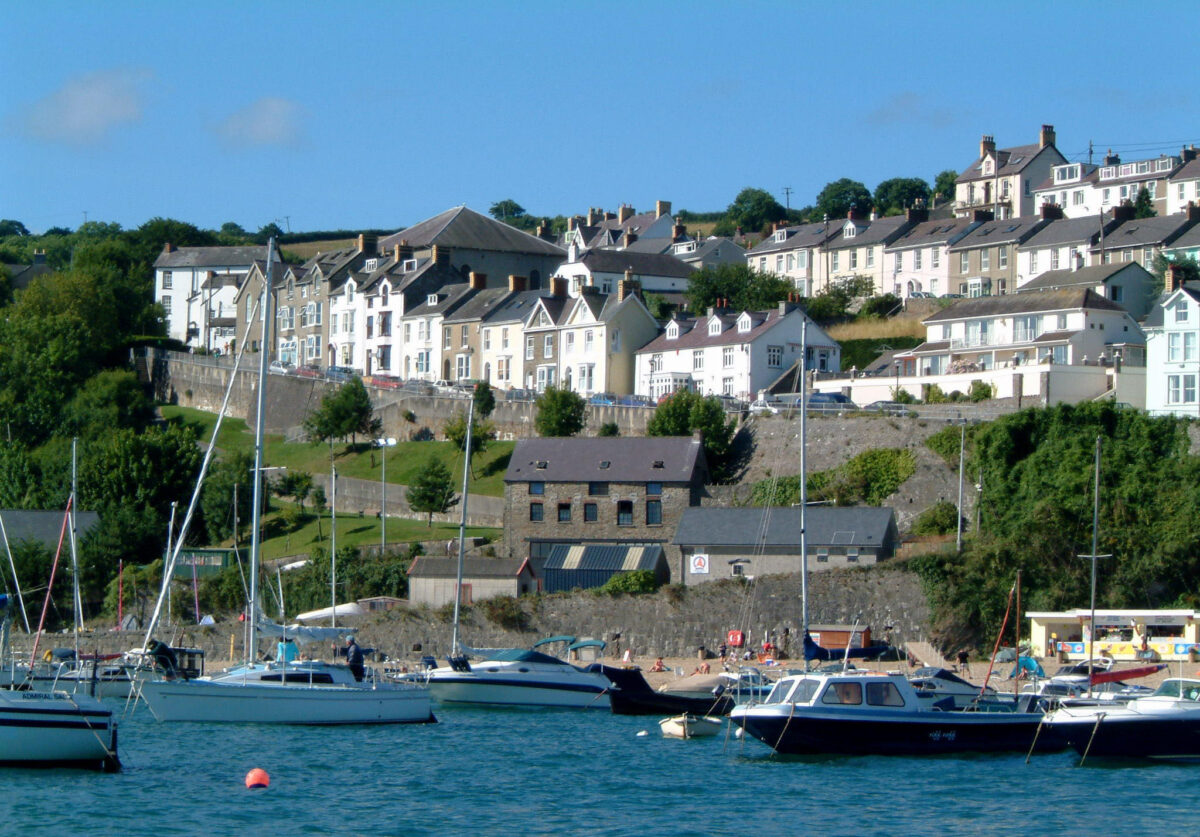
A marine wildlife centre in west Wales is marking its anniversary after three decades of research which has helped build a detailed picture of dolphins, porpoises and seals in Welsh waters.
The Wildlife Trust of South and West Wales is celebrating 30 years of the marine research hub, Cardigan Bay Marine Wildlife Centre in New Quay.
CBMWC was founded by Steve Hartley in 1996 to raise awareness of Cardigan Bay’s marine wildlife, including the UK’s largest population of Bottlenose Dolphins, and became part of The Wildlife Trust of South and Wales in 2015.
The visitor centre is open to the public from April to October with a range of interactive displays showcasing the variety of marine wildlife found in the area. The building also hosts an office with a team of staff and volunteers, all dedicated to protecting marine wildlife.
Steve is still involved with CBMWC today, and through his eco-tourism business, Dolphin Survey Boat Trips, supports the centre with its research.
The founder commented: “CBMWC has changed over the last 30 years, it never ceases to amaze me how CBMWC and its projects have grown over this time.
“I set up the CBMWC originally because I’d spent most of my working life at sea and people just didn’t seem to realise what amazing wildlife was in Cardigan Bay.
“The passion of those working to protect marine life in Cardigan Bay is incredible, it is inspirational to see the CBMWC go from strength to strength.”
Research
Over the last 30 years, volunteers from the centre have spent over 35,840 hours recording dolphins, porpoise and seals from land, noting their behaviour and interactions with boats and people, which has helped to inform marine codes in Cardigan Bay.
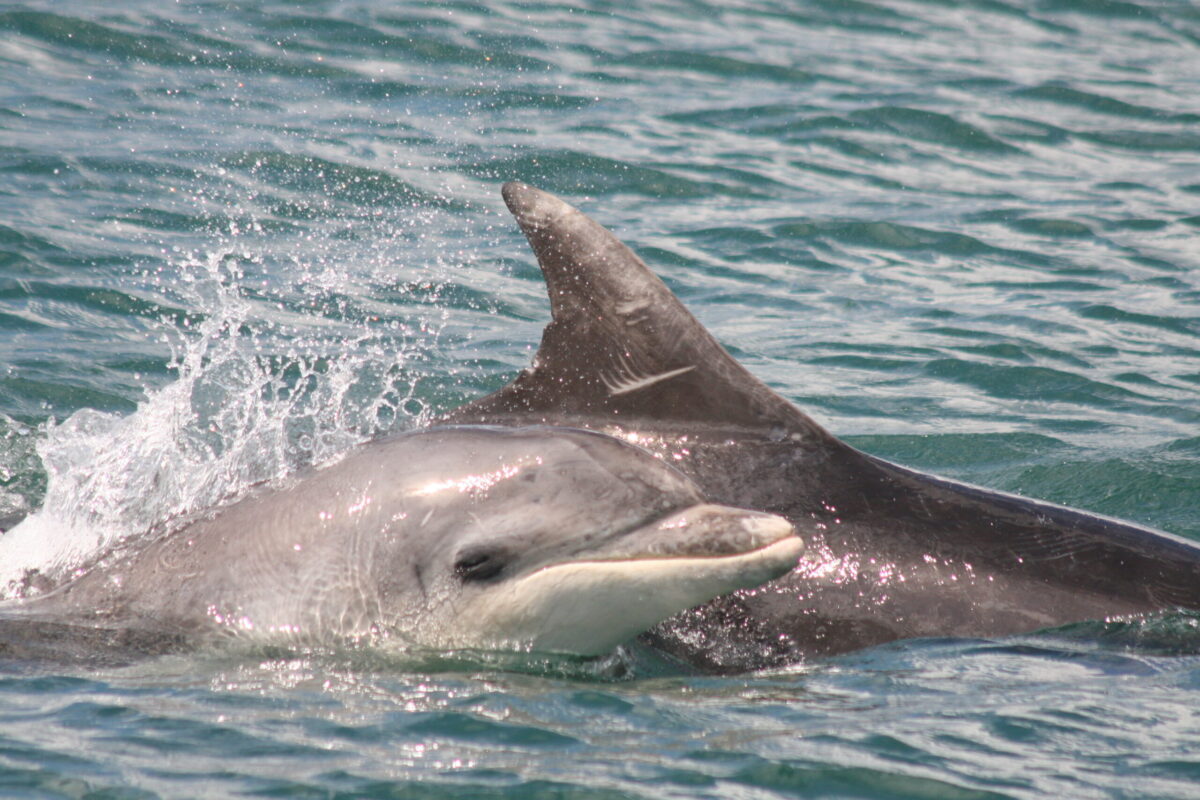
Over 4330 boat-based surveys have also been conducted, collecting sightings, acoustic and photo-ID data. By capturing detailed photographs of the unique markings on a dolphin’s dorsal fin, the team can then match up these to individuals in the database.
Each year, thousands of images are captured and processed and around 40,000 images are identified against 300 individuals in the database.
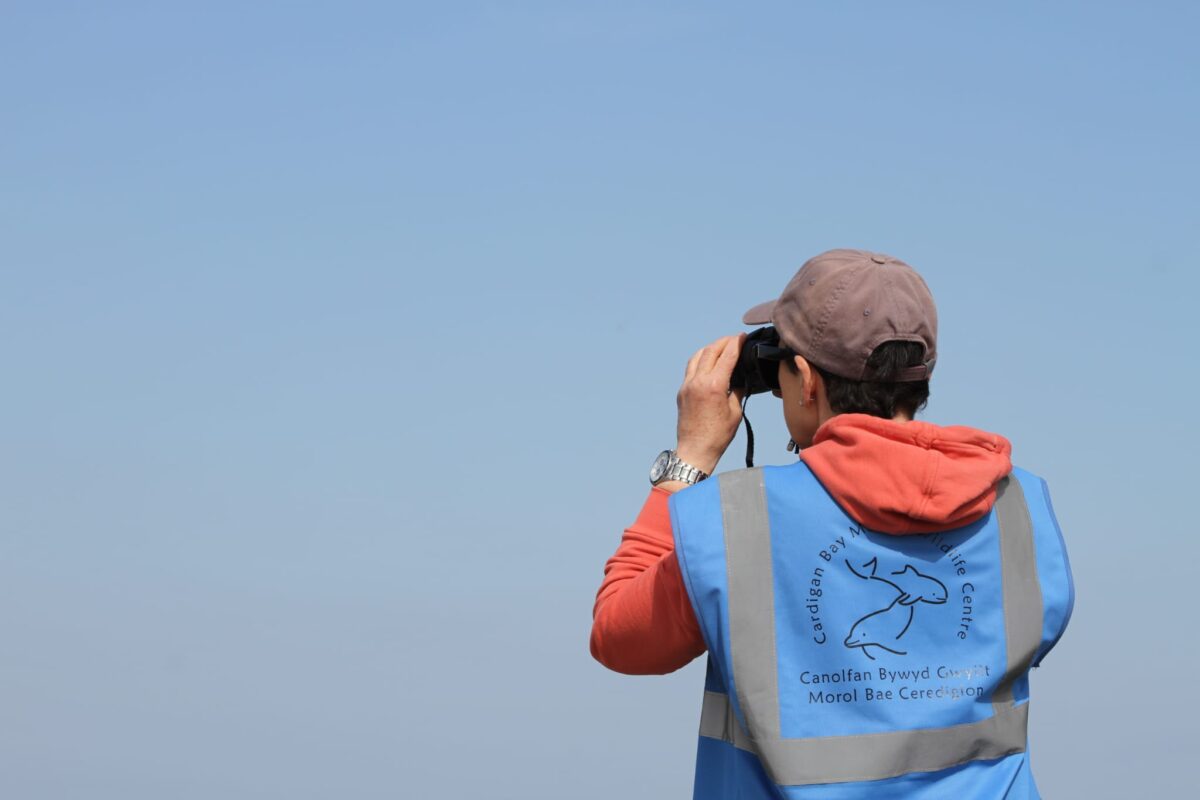
Photo-ID has given the team an insight into the social structures and movements of Cardigan Bay’s dolphins. In one instance, a well-known dolphin named Topnotch was photographed 175km apart in under 48 hours, providing data on just how far these animals can travel.
Working with Bristol University the CBMWC research team have also undertaken groundbreaking acoustic research, becoming the first to record Bottlenose Dolphin bray calls in Cardigan Bay.
These calls, which sound like the bray of a donkey, are thought to aid foraging and potentially play a role in social communication.
They have also recorded unique signature whistles, the acoustic equivalent of a human name, which dolphins use to identify themselves and announce their presence when communicating with one another.
The team have now built a catalogue of signature whistles and have managed to match to whistles to individuals in their photo-ID database.
In 2023, the late Professor Emeritus Brent Wilson, a volunteer at the centre, described a species of foraminifera, a small, single-celled, shelled creature, that was new to science.
And, in 2025, underwater cameras deployed by the team as part a project investigating marine diversity in Cardigan Bay captured a critically endangered Angelshark, marking the first time the rare shark had been captured on film in Cardigan Bay since 2021.
Dr Sarah Perry, Marine Conservation and Research Manager for The Wildlife Trust of South & West Wales, said: “We can’t protect what we don’t understand. All the data we have collected over the last 30 years helps us to build a better picture of marine life in Welsh waters.
“Crucial to this effort is building long-term relationships with external collaborators, particularly Universities and academic partners whose experience and expertise strengthens our research.
“Ultimately, this work enables us to inform conservation measures and policy to better protect the marine wildlife.”
Community
The centre has welcomed more than 364,000 visitors over the last 30 years, while more than 1,000 volunteers have contributed over 200,000 hours to its work, helping with marine mammal research, running the visitor centre and supporting engagement events.
These events provide experience and training for early-career conservationists, and have kickstarted many careers in conservation. The team have also been sure to take marine life to the masses, attending events and schools across the country.
Laura Evans, Marine Conservation Project Officer, for The Wildlife Trust of South & West Wales, added: “It’s amazing to see the impact the centre has on people and how it’s inspired them to act for the natural world.
“Since the centre was founded, we have inspired thousands: from school children to members of the local community and tourists visiting New Quay, along with budding young conservationists who join the centre as volunteers and interns.
“It has been wonderful to see so many of our volunteers go on to become influential voices for marine wildlife, here in Wales and all over the world.”
To mark the 30th anniversary, The Wildlife Trust of South & West Wales are asking for donations to help them raise £30,000 to continue their marine conservation research and education work in Cardigan Bay.
Dolphins can live for up to 50 years, meaning there are dolphins alive today that could have been spotted in Cardigan Bay when centre was first started. The Wildlife Trust wants to ensure these individuals and future generations of Bottlenose Dolphins can continue to be protected in Cardigan Bay.
For more information, visit the Cardigan Bay Marine Wildlife Centre site here.
Support our Nation today
For the price of a cup of coffee a month you can help us create an independent, not-for-profit, national news service for the people of Wales, by the people of Wales.
Get more trusted Welsh news
Choose Nation.Cymru as a preferred source in Google News to see more of our journalism.


