


Migratory bird numbers fall in Wales as global decline continues
Abby Neve
A major review is warning that over half of migratory bird species are in decline including those that breed in Wales.
The international collaboration involved scientists from multiple organisations around the world, including te British Trust for Ornithology (BTO), which has a centre in Bangor.
The report is the first comprehensive global assessment of migratory birds, looking into the threats they face, population sizes, and suggests solutions to reverse declines.
Climate change is one of the biggest drivers listed in the report. Dr Robert Thomas, an expert on migratory birds, said:
“The global effects of climate change are already very evident in what we often think of as ‘Welsh’ migratory birds, not least because many of these species are better described as African birds that come to Wales each year, to breed…
“Here in Wales, it is essential that we provide suitable habitats, like oak-dominated woodlands, at high enough altitudes. We need to provide food in abundance for migratory birds such as Pied Flycatchers and Wood Warblers, at the crucial time of year, for feeding the chicks in the nest.”
Dr Robert Thomas believes that Welsh people need to work with the international community to protect the seasonal visitors.
He said: “It is our global responsibility, as Welsh people, to ensure the survival and breeding productivity of these very precious migratory species, which connect our nation to many other nations along the migration routes, from breeding sites across Wales, to migration stopover sites in France, Spain, Portugal and Morocco, to wintering locations south of the Sahara, including Senegal, The Gambia, Sierra Leone and Nigeria.”
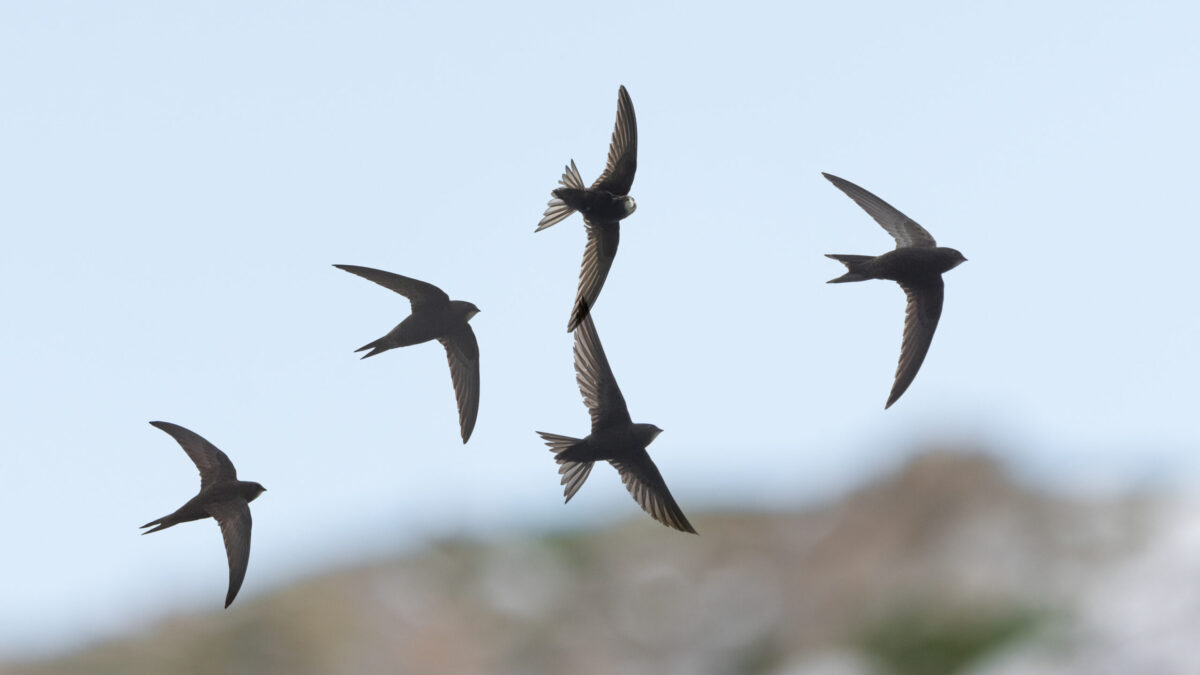
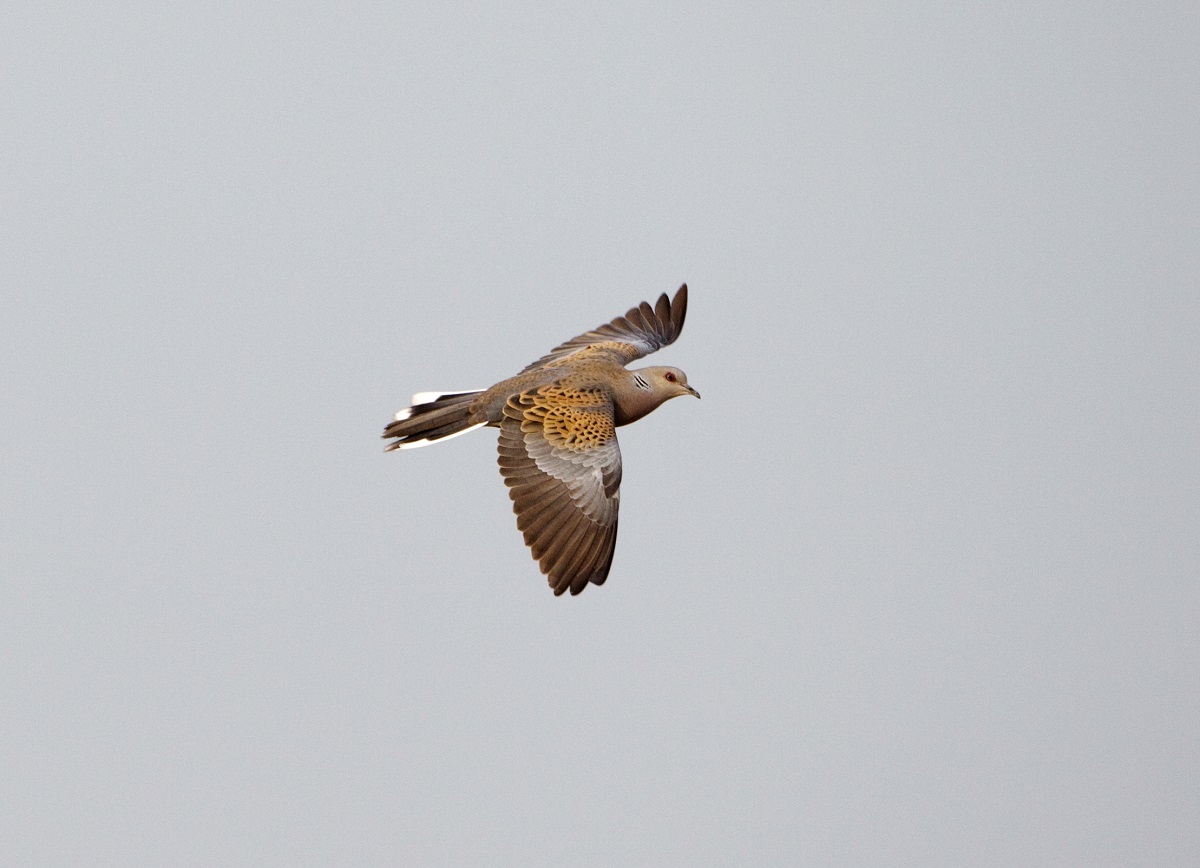
Among the birds in decline were swallows and cuckoos who visit Wales in the summer. The report also shows that the Turtle Dove is in decline globally, a species which was declared extinct in Wales in 2011.
A representative for the BTO said: “Migratory birds are among the most widespread and visible indicators of the state of global biodiversity. They can help regulate insect populations, disperse seeds and pollinate plants, and they support complex food webs across ecosystems and continents… Habitat loss, climate change (including extreme weather), invasive species, collisions with buildings and infrastructure, disease, and pesticide use all contribute to the growing list of challenges faced by these global travellers.”
The paper argues that global collaboration is vital to tackle these issues and address threats across the entire migration path. Prof Juliet Vickery, CEO of BTO says, “The paper was only possible through pooling insights and expertise right across the globe. What we need now is action at a similar scale to ensure these species continue to cross continents and connect communities for generations to come.”
Wales’ legal binding climate targets, including a 100% reduction of emissions by 2050, are seen as crucial to stabilise ecosystems that migratory species rely on. A representative for the Welsh Government said:
“We are taking urgent action to halt species decline and biodiversity loss, including developing a new Climate and Nature Plan for Wales.”
Wales has also committed to protect and effectively manage 30% of land and sea by 2030. Dr Liz Halliwell, Terrestrial Species Team Leader for Natural Resources Wales said:
“The findings of this global review reflect trends we are seeing in Wales, where breeding migratory species such as Swift, Cuckoo and Wood Warbler continue to face pressures from habitat loss, environmental change and the impacts of climate change, both in Wales and along their migratory flyways.
Creating and restoring well-connected habitats, and ensuring their resilience, is vital to helping both breeding and non-breeding migratory species thrive and adapt to changing environmental conditions, particularly those resulting from climate change.
“Strengthening environmental governance, setting a clear strategic direction for nature recovery in Wales, and working collaboratively will help catalyse species recovery, particularly for long-distance migratory birds.”
Support our Nation today
For the price of a cup of coffee a month you can help us create an independent, not-for-profit, national news service for the people of Wales, by the people of Wales.
Get more trusted Welsh news
Choose Nation.Cymru as a preferred source in Google News to see more of our journalism.



