


Milford Haven’s unique seabed habitat revealed in new study
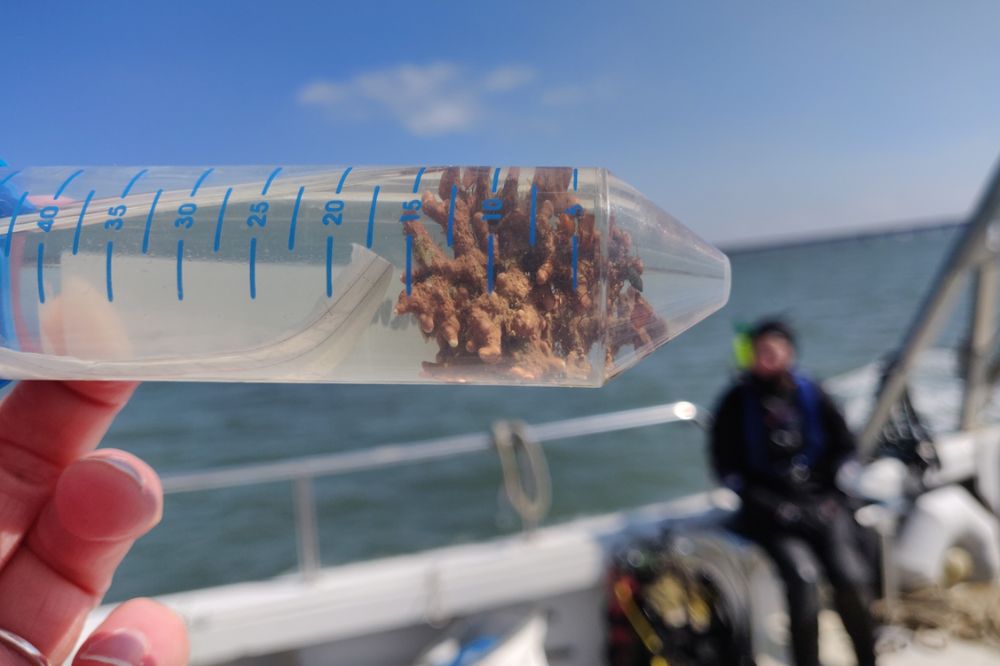
Natural Resources Wales (NRW) has contributed to new research that reveals the distinct and ecologically important nature of the maerl beds in Milford Haven. The findings shed new light on how these fragile habitats can be better protected for the future.
Maerl beds are slow-growing accumulations of red algae that form complex underwater structures. These habitats play a vital role in marine ecosystems, providing shelter for a wide range of species and acting as significant stores of blue carbon – helping to mitigate climate change by capturing and storing carbon dioxide.
Led by the University of Exeter, the study used Whole Genome Sequencing (WGS) to analyse maerl samples from Pembrokeshire to Cornwall, including those provided by NRW. The authors of the research hope that using the data on genetic diversity could potentially identify those populations at greatest risk from environmental change and human activities.
The study found that the Milford Haven bed is genetically distinct from other populations, highlighting its uniqueness and the importance of site-specific conservation measures.
Dr Frances Ratcliffe, Senior Marine Environmental Assessment Officer for Natural Resources Wales said “This research highlights the unique nature of the maerl bed in Milford Haven, showing it to be both highly genetically diverse and distinct from other populations in the wider region.
“We’re delighted to have contributed to this work, which makes the case for protecting this special habitat even stronger. Sadly, the bed is currently in a degraded state, and we hope the findings will help inform future efforts to safeguard these vital ecosystems for generations to come.”
Dr Tom Jenkins, the project’s lead said: “This is the first research project to assemble reference genomes for two maerl-forming species and use WGS to study populations around the southern and south-west coasts of Britain.
“It reveals levels of genetic diversity of these populations and identifies those dominated by maerl clones, which, together, could have implications for their vulnerability and resilience to future changes in climate and the environment.”
Alongside its support for this research, NRW is leading a wider project focused on declines in benthic habitats and species — the ecosystems found on or near the seabed. The project aims to improve understanding of marine biodiversity and guide conservation strategies to help protect these vulnerable underwater environments.
This work looks at other vulnerable marine habitats and species across Wales, including herring at Milford Haven, sponges in the Menai Strait and modiolus horse mussel reef off the north Llyn Peninsula. This work is supported by funding from the Welsh Government’s Nature Networks programme.
Support our Nation today
For the price of a cup of coffee a month you can help us create an independent, not-for-profit, national news service for the people of Wales, by the people of Wales.



The cause of the degradation…bottom trawling and scallop dredging however not mentioned by name…
The project tried to look into past bottom trawling and scallop dredging in the Haven but there wasn’t much in the way of evidence, mostly anecdotal. Do you have any evidence for past fishing of this kind in the Haven and where it took place?