


Ministers spark fury for allowing emergency use of butterfly-killing pesticide
Rebecca Speare-Cole, Press Association Sustainability Reporter
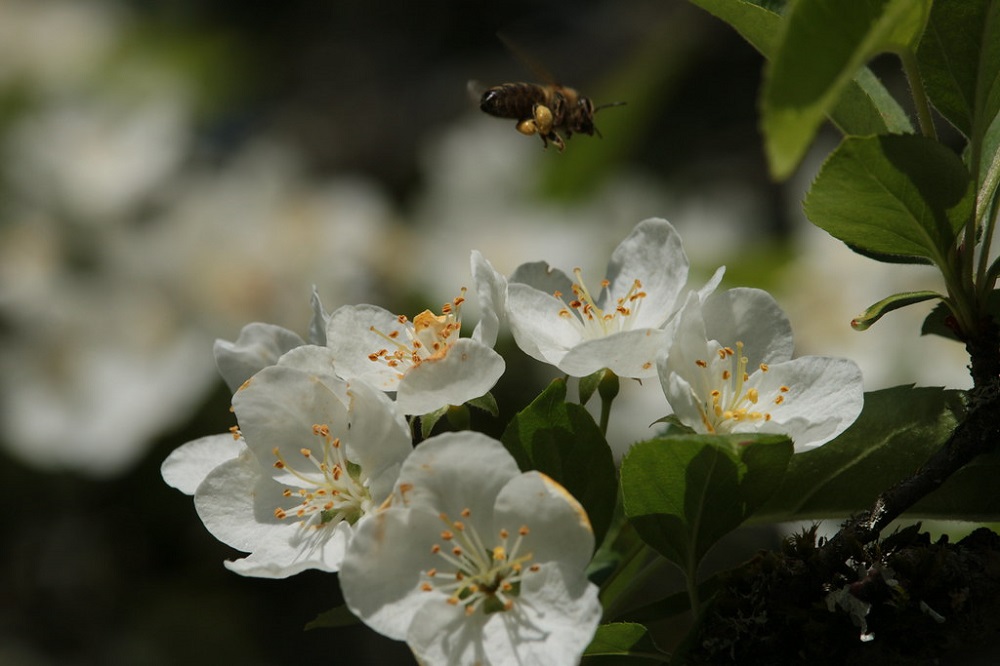
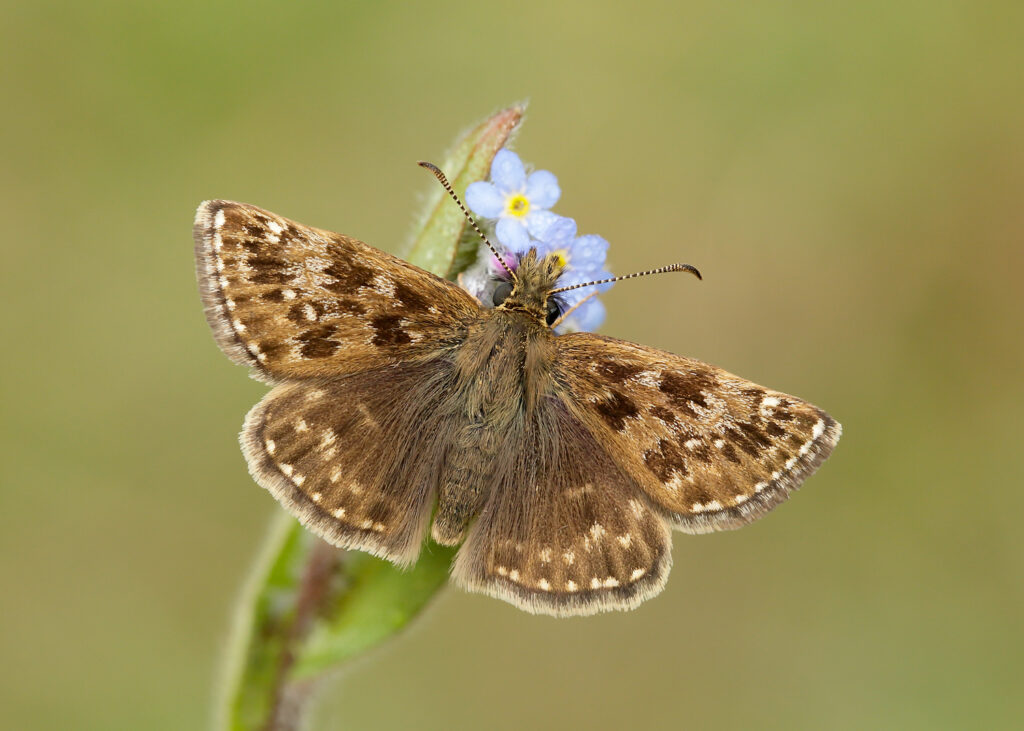
Ministers have sparked fury among wildlife campaigners for allowing the extended use of a pesticide that can kill bees and butterflies.
Sugar beet farmers are usually only allowed to spray a product containing “acetamiprid” on their crops once a year to control peach-potato aphids – insects that transmit disease to the crop.
The chemical is part of a group of pesticides called neonicotinoids, which can paralyse butterflies, bees and other pollinators.
But the Environment Department has given farmers permission to spray the insecticide for a second time this year, saying sugar beet farmers are currently facing exceptionally high pressure from aphids.
Wildlife charity Butterfly Conservation on Thursday accused ministers of quietly allowing the emergency use without making any public announcement after having repeatedly promised to crackdown on the harm caused by neonicotinoids.
Richard Fox, head of science at the charity, said: “This discovery is hugely disappointing and infuriating: not only has this Government allowed the use of this incredibly damaging insect poison once again, it has done so seemingly without any consultation and the ministers responsible haven’t even announced it themselves.
“Our latest figures show that more than half the UK’s butterfly species are in decline, this Government has repeatedly pledged to take this simple but vital step to ban these insect-killing chemicals, and they have failed.”
While the Government banned most uses of harmful neonicotinoids in 2018, sugar beet farmers received special permission to use them for tackling a disease known as “virus yellows” in 2021, 2022, 2023 and 2024.
Labour then came to power promising to end the emergency use of three banned neonicotinoids called thiamethoxam, clothianidin, and imidacloprid, and last year denied an emergency authorisation application for the use of Cruiser SB for the 2025 sugar beet crop.
Butterfly Conservation said environment minister Mary Creagh wrote to the charity in 2024 saying the Government would “change existing policies to ban the use of neonicotinoid pesticides that threaten vital pollinators like bees and butterflies”.
Frances Winder, head of policy at the organisation, said: “Nature is in crisis across the UK and we are stunned by this Government’s cowardly betrayal of its own promises to help.”
Butterfly Conservation is now calling on people to sign a letter to ministers, asking them to stand by their promise and permanently ban the use of neonicotinoid pesticides without exception.
The charity pointed to previous research it carried out alongside the UK Centre for Ecology and Hydrology, which found a correlation between increased neonicotinoid use and butterfly population declines, with higher neonicotinoid usage linked to more severe declines.
The “emergency” authorisation to use the acetamiprid-containing pesticide Insysty SG this year was announced by the National Farmers’ Union (NFU) and the British Beet Research Organisation on their websites in late May.
Butterfly Conservation said there is no evidence that the Government or HSE announced the decision publicly.
It officially allows farmers to spray the chemical on their crops using a “horizontal boom sprayer” and says that operators “must wear suitable protective gloves and suitable respiratory protective equipment when handling the product”.
In a statement published on the NFU website in May, Kit Papworth, chairman of the National Farmers’ Union (NFU) sugar board, said the industry “remains wholly committed to working hard to find viable, long-term solutions” to virus yellows, led by the British Beet Research Organisation.
“The forecast level of aphid pressure in 2026 is the highest the homegrown sugar beet industry has faced in the absence of highly effective seed treatment controls since 2020,” he wrote.
“That year, 38% of the national crop was infected with Virus Yellows and 25% of yield lost.
“Some growers suffered catastrophic reductions in yield of up to 80% as a result of the disease.”
An Environment Department (Defra) spokesperson said: “The Government remains committed to ending the use of pesticides that threaten vital pollinators, including through emergency authorisations.
“Acetamiprid is already authorised for use on sugar beet and other crops and does not pose the same danger to pollinators.
“This emergency authorisation is for a second spray only, due to the exceptionally high pressure from aphids being faced by sugar beet farmers in 2026.”
Support our Nation today
For the price of a cup of coffee a month you can help us create an independent, not-for-profit, national news service for the people of Wales, by the people of Wales.
Get more trusted Welsh news
Choose Nation.Cymru as a preferred source in Google News to see more of our journalism.



Genuine question: isn’t this devolved?
Has anyone got any minister-killing pesticide? What a pack of idiots!!