


More than 900 changes proposed to draft assisted dying law in Lords ‘a record’
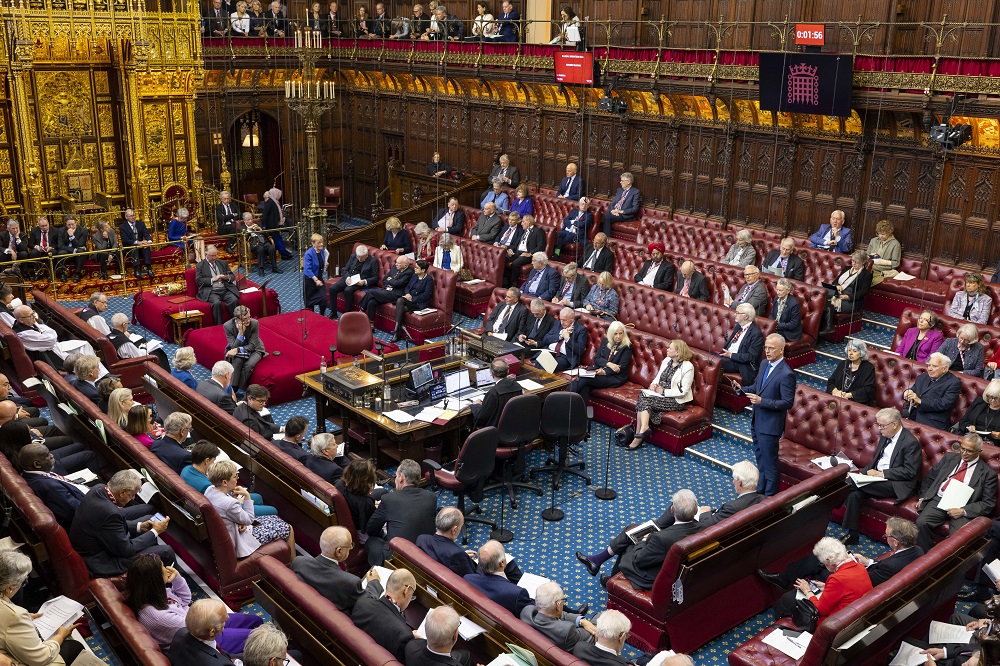
More than 900 amendments have been put down in the House of Lords to a proposed assisted dying law – the highest number ever tabled to a piece of back bench legislation.
Parliament heard officials worked into the early hours of Thursday morning to compile the suggested changes to the Terminally Ill Adults (End of Life) Bill, which returns to the upper chamber on Friday for detailed line-by-line scrutiny by a committee of the whole House.
The scale of amendments to the Bill, already narrowly approved by MPs, has led to a group of 65 peers to send a joint letter to colleagues stating that their task is “to test and refine the Bill where genuine improvements can be made, while respecting both the will of the Commons and the overwhelming support of the public”.
They added that it was “not our role to frustrate the clear democratic mandate expressed by elected members”.
The signatories include the former Whitehall chief Lord O’Donnell, scientist and broadcaster Lord Winston, former Labour leader Lord Kinnock and former Royal College of Nursing president Baroness Rafferty.
Ahead of Friday’s debate and in recognition of the contentious nature of the legislation and the strongly held views held on either side of the divisive issue, Lord Kennedy of Southwark, the chief whip in the Lords, urged “courtesy and respect” among those taking part.
This plea was echoed by Labour former lord chancellor and justice secretary Lord Falconer of Thoroton, who is taking the private members’ Bill (PMB) through the House.
It received an unopposed second reading in the Lords back in September – the furthest any such legislation has progressed through Parliament at Westminster.
But the committee stage was delayed to allow for further “unprecedented” scrutiny by a select committee of peers, after an amendment by Baroness Berger was approved.
Speaking in Parliament before the Friday session, Lord Kennedy praised parliamentary staff who had “worked tirelessly” to collate the proposed amendments.
In line with normal practice, his office had put together the groupings in which it was proposed they were discussed to aid the debate.
Changes
But as the Government was taking a neutral stance on the matter, Lord Kennedy said “any changes requested will be simply actioned”, with negotiations falling to the sponsor Lord Falconer if needed.
The Labour backbencher will set a target to be completed on Friday to allow peers to plan ahead.
The House is expected to rise at around 3pm at the end of a group.
Lord Kennedy, whose job it is to oversee the smooth running of business in the Lords, requested that members “respect the usual conventions regarding speaking times at committee”, which is 15 minutes although there is no formal limit.
He said: “Finally, most important, sincerely held views are held on all sides regarding this Bill, please respect that.
“In the upcoming debate, remember courtesy and respect and show those watching the House of Lords at its best.
“I trust that we continue to respect each other with a thought-provoking debate.”
Credit
Lord Falconer said: “I also strongly echo what he has said about the temper of the debate, which must do credit to the House.”
He asked any member who wanted to change the draft grouping of amendments to speak to him to “discuss an orderly way” of dealing with them.
Lord Falconer added: “I have been told that 900-plus amendments is the highest-ever number of amendments to a Bill, and I am wondering what conclusion I should draw from that.”
The Bill will become law in England and Wales only if both the House of Commons and House of Lords agree on the final drafting of the legislation – with approval needed before spring when the current session of Parliament ends.
With the clock ticking, there have been concerns among some supporters of the law change that opponents in the unelected House would try to block it or “talk it out” so that it runs out of time and falls.
When the Bill was last debated in the Lords main chamber, it was branded a “‘licence to kill’ Bill”, while others argued it would “devalue the importance of human life” and suggested it could lead to death becoming the “default solution to perceived suffering”.
Legislation
If it does pass into law, the Government has four years in which to get an assisted dying service into place, meaning it could be 2029/30 before the first assisted death happens.
The legislation proposes allowing terminally ill adults with fewer than six months to live to apply for an assisted death.
This would be subject to approval by two doctors and a panel featuring a social worker, senior legal figure and psychiatrist.
According to the parliamentary authorities, while some Bills have had more amendments tabled in total at committee stage, it sets a possible record for the number submitted in the first full list of suggested changes and is almost certainly unprecedented for committee stage of a PMB.
Support our Nation today
For the price of a cup of coffee a month you can help us create an independent, not-for-profit, national news service for the people of Wales, by the people of Wales.


