


More than 9,000 contactless rail journeys after north Wales scheme expands
Nation Cymru staff
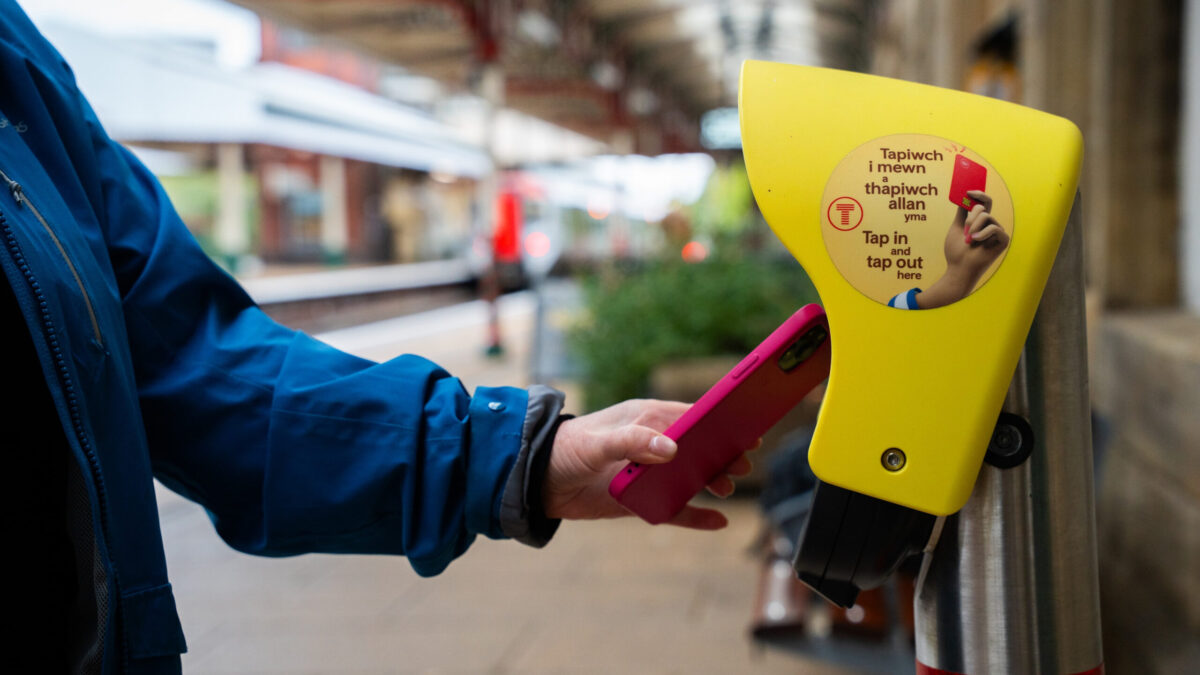
Passengers made more than 9,000 pay-as-you-go rail journeys in the four weeks after Transport for Wales expanded its contactless payment scheme across north Wales and the borders.
Transport for Wales introduced tap-in, tap-out payments at 10 stations in May 2026 and added another 15 in September. The operator said more than 4,000 passengers had used the scheme for the first time since the expansion.
Chester to Rhyl was the most popular route between 28 September and 26 October, accounting for 1,642 journeys. Chester to Prestatyn was next with 1,261. Together, the two routes accounted for nearly a third of the journeys recorded. The busiest day was Saturday 17 October, when passengers made 847 journeys using the scheme.
Passengers can use a contactless bank card or smart device to tap in at their departure station and tap out at their destination. They need to use the same card or device at both ends of the journey so the system can calculate the best available adult fare.
Railcard discounts were applied to 90 journeys during the period. More than three quarters of those journeys were made using a Disabled Persons Railcard.
Alexia Course, chief commercial officer at Transport for Wales, said: “More than 4,000 people have now used the scheme and we’re seeing strong, consistent growth in journeys as awareness increases.”
Transport for Wales already runs a pay-as-you-go scheme in south Wales. Ms Course said the operator would look at opportunities to extend contactless travel further.
The operator said it was also working with industry partners on how contactless payments could work across more of the rail network, including for passengers whose journeys involve more than one train company.
Support our Nation today
For the price of a cup of coffee a month you can help us create an independent, not-for-profit, national news service for the people of Wales, by the people of Wales.
Get more trusted Welsh news
Choose Nation.Cymru as a preferred source in Google News to see more of our journalism.


