


More than half of households in energy credit at end of winter – poll
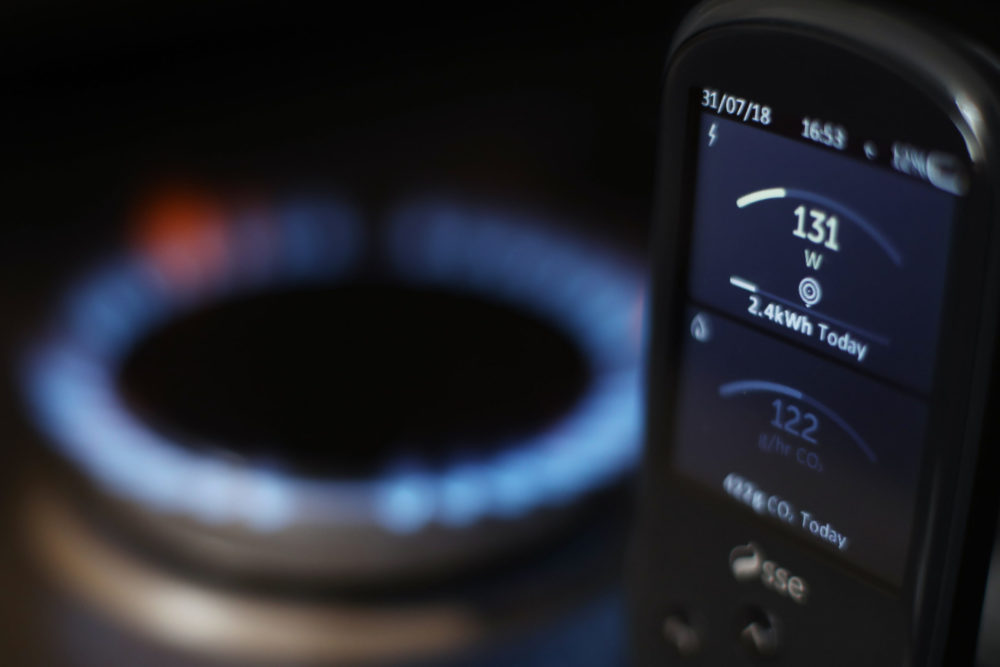
More than half of UK households are emerging from the coldest months of the year with credit in their energy accounts, a survey suggests.
Energy suppliers are holding £3 billion of households’ money built up by direct debit but not used over the winter, a survey for comparison site Uswitch found.
The average home that is in credit has built up almost £200 with their supplier, according to the poll.
Overall, credit is £179 million higher than last year, which Uswitch said could be due to a milder winter than expected and direct debits not changing as quickly as energy rates.
Households should ideally end the winter with little to no credit, having used it during the colder months.
They should re-build their credit during the spring and summer when energy usage is generally lower.
However, 16 million households (57%) have credit with their energy supplier at the end of this winter, according to the survey.
Uswitch said 63% of households on fixed deals were currently in credit, compared with 56% of those on standard variable tariffs.
One in 10 consumers (12%) have balances over £300, and 4% are more than £500 in credit.
Three in 10 households with credit (31%) intend to ask for some or all of it to be refunded, but 63% plan to leave the money with their supplier to try to reduce their monthly payments.
Just 7% will ask their supplier to return their full balance, while a quarter (24%) will ask their supplier to return some of it, the poll suggests.
Uswitch said it advised consumers to keep around two months of average monthly payments as credit in their energy account to guard against higher costs in the coldest months of the year.
It also urged households without a working smart meter to regularly supply meter readings to keep their account balance and direct debit level accurate to avoid overpaying.
Household energy prices fell by 7% from April 1 in a “short-lived respite” for households already braced for a predicted 18% hike from July.
Ofgem’s price cap dropped from £1,758 to £1,641 – a reduction of £117 or around £10 a month for the average household using both electricity and gas.
This is an 11% fall year on year, but still £600 more than bills were in the winter of 2020 to 2021.
Eco scheme
The reduction is lower than the average £150 cut to bills pledged by the Chancellor in November, when she moved 75% of the cost of the renewables obligation from household bills onto general taxation and scrapped the energy company obligation (Eco) scheme.
And it comes amid increasing concern about the amount energy bills could rise by from July as a result of the Middle East conflict, with latest predictions from Cornwall Insight suggesting this could be 18% or £288 a year – to almost £900 above pre-crisis levels.
Uswitch energy spokesman Ben Gallizzi said: “More than half of UK households are coming out of the coldest time of year with credit in their energy accounts.
“At this time of year households should generally have used up most of their credit over the colder winter months. However, it is advisable to keep about two months’ worth of payments in energy credit to cover higher winter bills ahead.
“With energy prices predicted to rise in July, households with more than two months of energy credit could consider leaving some of it with their supplier to take some of the sting out of winter bills later this year.”
Opinium surveyed 2,021 energy bill-payers between March 24-30.
Support our Nation today
For the price of a cup of coffee a month you can help us create an independent, not-for-profit, national news service for the people of Wales, by the people of Wales.
Get more trusted Welsh news
Choose Nation.Cymru as a preferred source in Google News to see more of our journalism.



Why should households “ideally end the winter with little to no credit”? If the annual energy cost is evenly spaced across the year, households should be in debt for half the year and in credit for half the year, with an average balance of zero. It is a rip-off for energy suppliers to insist that households should always have a positive balance, unless suppliers pay interest on the balance.
Can you imagine how much interest this £3bn is generating for energy companies? They should be made to pay it to the customers’ accounts. I noticed last year my electricity provider increased my direct debit by nearly £30 per month. I now see why they are doing it!! It won’t happen again I can assure you. My account is currently just under £300 in credit.
I run mine to the bone, I hate banking savings for the energy firms so all my bills are next to covered with no balance worth much. The energy provider suggests I put in a ton of money I don’t have. How many are in credit because the energy firms say they should be a lot? Be proactive if you can.
Wish I could go back to the days of a bill for each month rather than this system of scraping loot.