


Most side-effects linked to statins not caused by the drugs – study
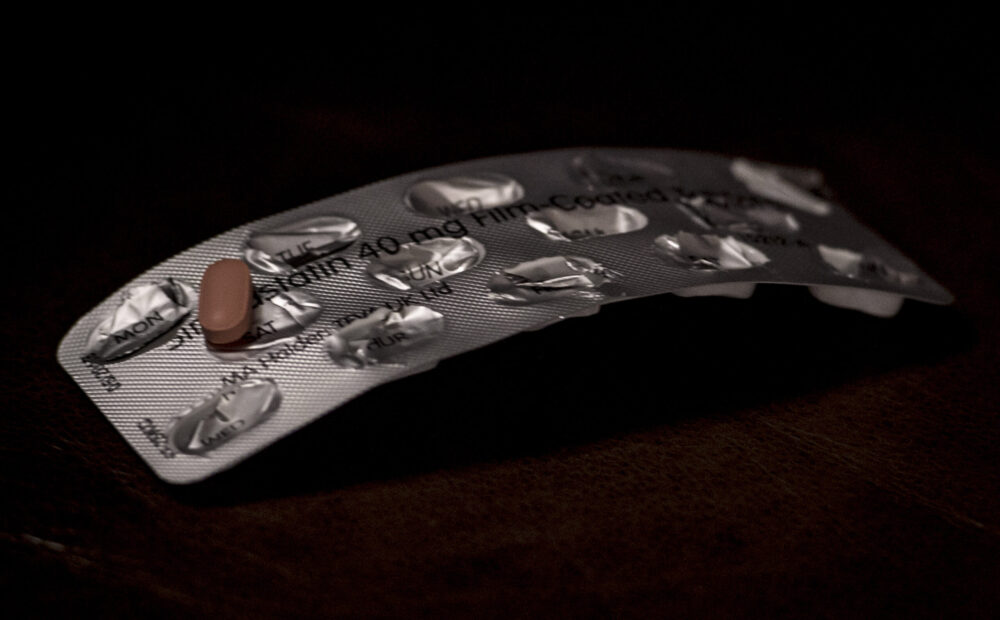
Most side-effects linked to statins are not caused by the drugs, a new study suggests.
After a comprehensive review of side-effects linked to the cholesterol-busting drugs, academics from the University of Oxford have called for patient information leaflets to be updated.
Statins are one of the most commonly prescribed drugs in the UK, with around seven to eight million people taking them to lower bad cholesterol levels, in turn cutting their chance of heart attack and stroke.
But experts said there is “ongoing confusion and concern” about side-effects linked to the drugs, as they highlighted how millions more people in the UK who could benefit from the drugs are not taking them.
After the new review, academics said that for “most people, the risk of side-effects is greatly outweighed by the benefits of statins”.
The new study, published in The Lancet, looked at data from 123,940 people who took part in 19 clinical trials comparing the effects of statins to a placebo, also known as a dummy drug.
These people were followed up for an average of 4.5 years after initiating treatment.
Researchers found that there was no significant excess risk with statins for almost all of the conditions listed in the package leaflets as potential side-effects.
This includes no increased risk in memory loss; depression; sleep problems; erectile dysfunction; weight gain nausea; fatigue or headache.
Lead author of the paper, Christina Reith, associate professor at Oxford Population Health, said: “What we were able to show reliably was that statins did not make these commonly experienced events occur more often.
“So for example, the percentage of people suffering memory loss per year was similar to those taking statin therapy as those not, equally.
“The percentage of people suffering sleep problems per year was similar to those taking statin therapy as for those not.
“This means that we now have really good evidence that although these things may well happen to people while they take statins, that statins are not the cause of these problems.”
She added: “Our study provides reassurance that, for most people, the risk of side-effects is greatly outweighed by the benefits of statins.
“What we hope to see happen is that statin drug labels are revised alongside related information to enable doctors and patients to make better informed decisions going forward.”
Previous work has identified a 1% increase in muscle symptoms among people taking statins, usually in the first year of treatment.
Blood sugar
And statins can lead to a small increase in blood sugar levels, meaning that some people at high risk of diabetes may develop the condition sooner.
On top of these known side-effects, researchers found that only four of 66 “undesirable outcomes” previously linked to statins were actually associated with the drug.
This included a small increased risk of around 0.1% of abnormal liver blood tests.
But there was no increased risk of serious liver disease, they said.
They also found an increased risk in swollen legs, ankles and feet, also known as oedema, and changes to urine.
Researchers also examined data on 30,724 people taking part in four trials comparing more intensive versus less intensive statin therapy.
This part of the study only identified a small risk of abnormal liver blood tests, with no increased urinary risks or odds of oedema.
Professor Sir Rory Collins, emeritus professor of medicine and epidemiology at Oxford Population Health and senior author of the paper, added: “Now that we know that statins do not cause the majority of side-effects listed in package leaflets, statin information requires rapid revision to help patients and doctors make better-informed health decisions.”
Professor Bryan Williams, chief scientific and medical officer at the British Heart Foundation, which part-funded the study, said: “The data would suggest that around about seven to eight million are currently taking statins (in the UK) – in England it’s around five million.
“The prediction, based on the evidence and looking at the risk of the population, would be that at optimal treatment levels, it would be around 15 million.
“So there’s probably a shortfall close to half – 50% of patients who would benefit from these extraordinary drugs are not receiving them for whatever reason.”
‘Life-saving’
He added: “Statins are life-saving drugs, which have been proven to protect against heart attacks and strokes.
“This evidence is a much-needed counter to the misinformation around statins and should help prevent unnecessary deaths from cardiovascular disease.”
Professor Victoria Tzortziou Brown, chair of the Royal College of GPs, said: “Those considering taking statins should be reassured by this comprehensive study which shows that while statins, like any medication, have potential side-effects, the risk for most people is low.”
Support our Nation today
For the price of a cup of coffee a month you can help us create an independent, not-for-profit, national news service for the people of Wales, by the people of Wales.


