


Mountaineers remove thousands of items of trash in mammoth Yr Wyddfa litter pick
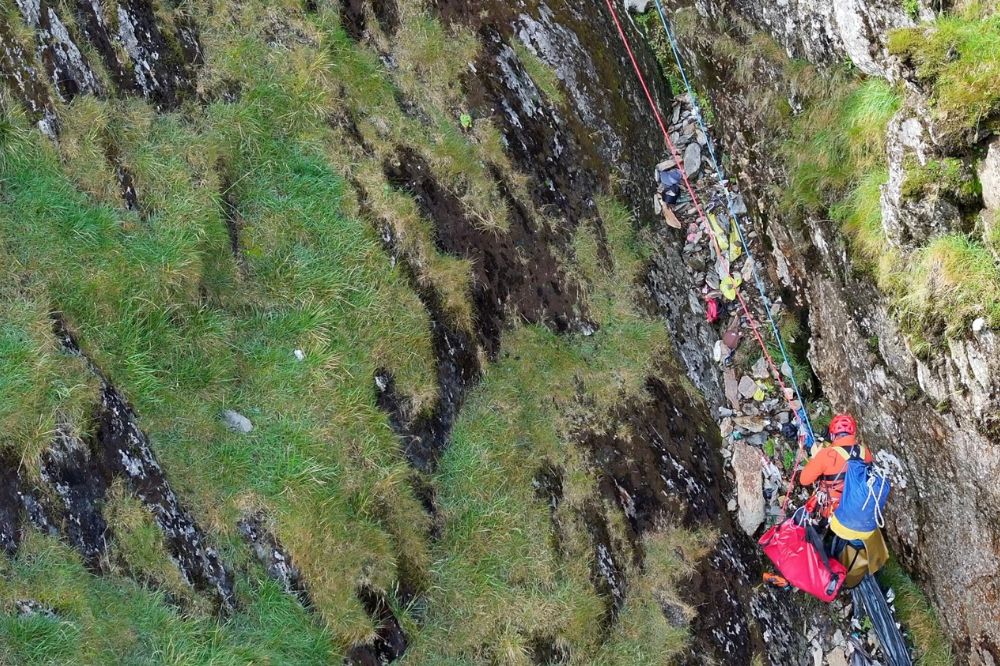
A mammoth clean up on Yr Wyddfa by mountaineers has revealed that litter is still having a devastating impact on the wildlife found on Wales’ highest mountain.
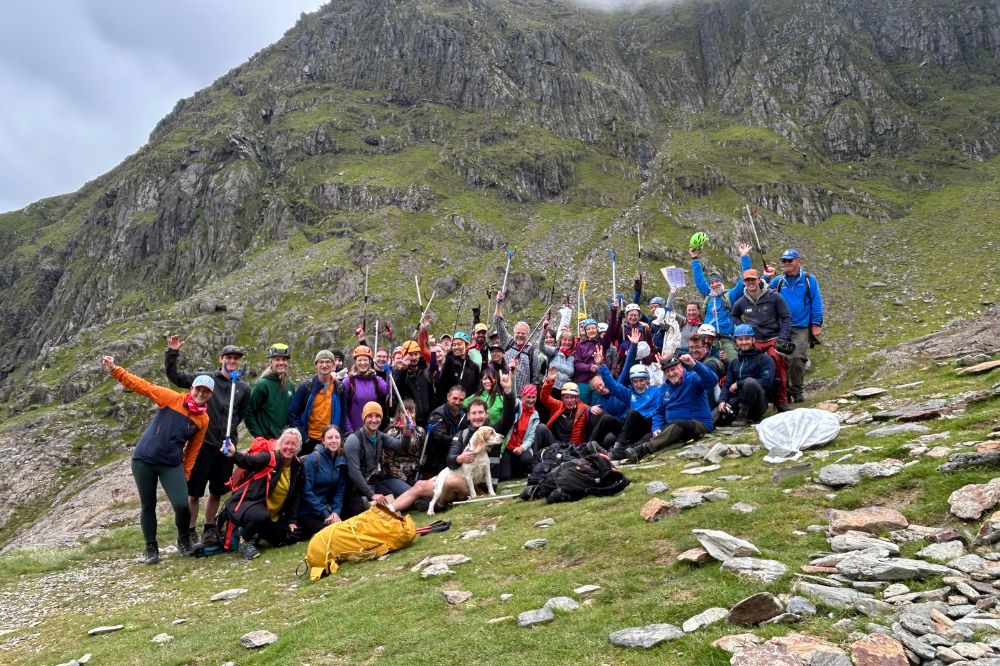
The three day clean up led by the British Mountaineering Council alongside a group of local charities and organisations saw 4,282 items of plastic pollution removed from the summit in Eryri National Park.
The event brought together volunteers and a team of professional mountaineers to remove the trash left behind by visitors to the north Wales mountain 1,085m above sea level.
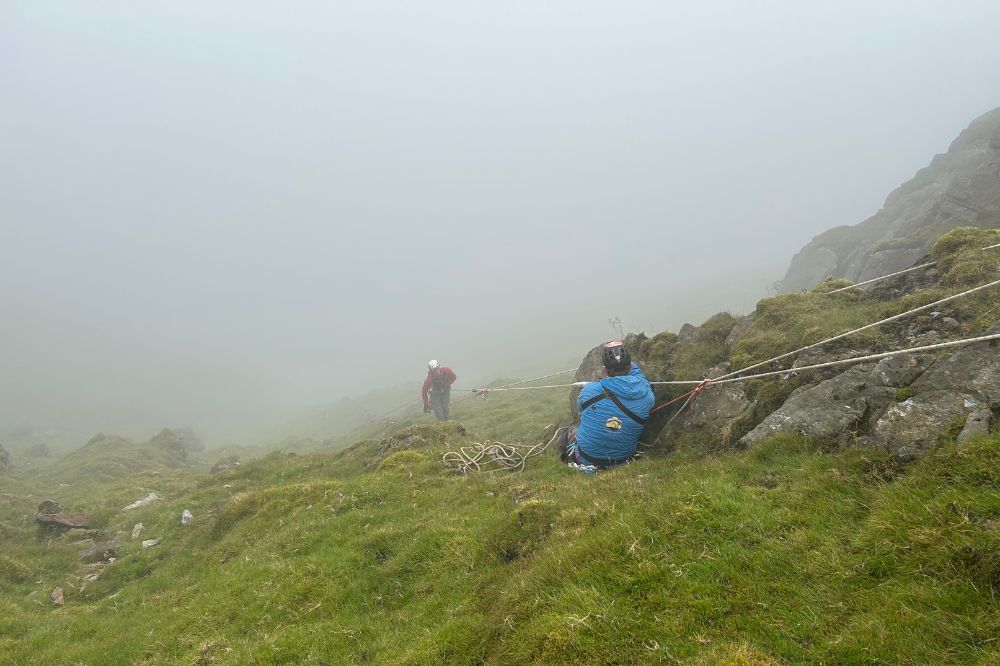
First, mountaineers abseiled down the dangerous, loose rock cliff face of Clogwyn y Garnedd (Trinity Gullies), taking care not to damage rare, endemic plants and invertebrates.
Cliffs
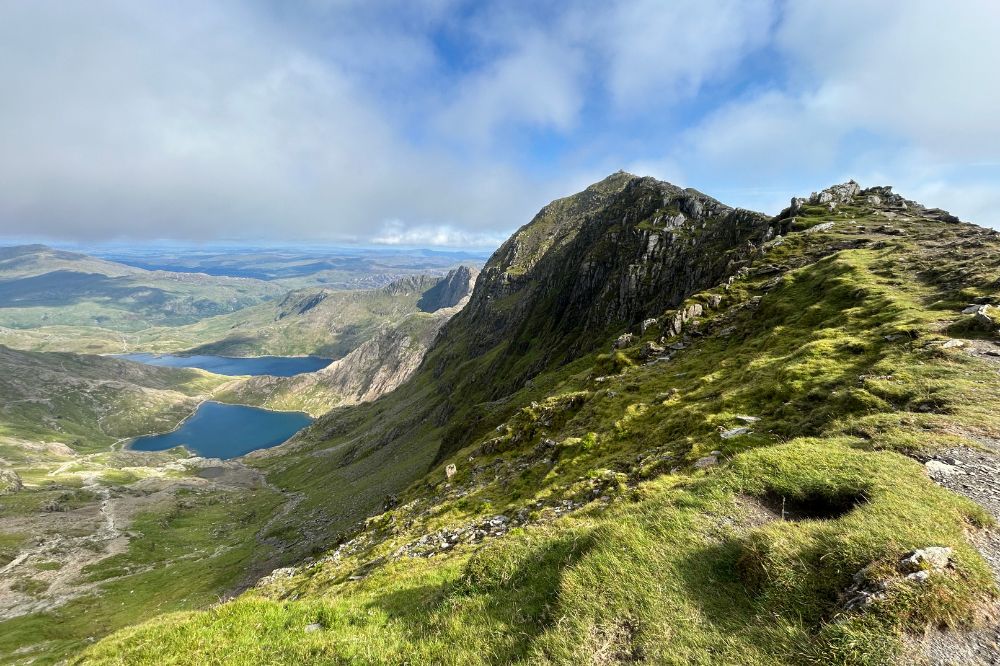
Two days later, BMC volunteers hiked along the PYG Track and then off-path, into the upper Glaslyn bowl area beneath these cliffs, to retrieve and survey trash that has been blowing into this fragile, Arctic-alpine environment for over a century.
4,828 items of trash were removed from the upper Glaslyn bowl near the popular PYG Track walking route by 50 BMC volunteers and Clogwyn y Garnedd (Trinity Gullies) cliffs by eight professional mountaineers.
321 items of trash collected from Pen y Pass car park and along the PYG and Miners’ Tracks up Yr Wyddfa.
Lucozade bottles, Red Bull cans and Walkers crisp packets were the most prevalent brands found.
Almost 30% of the trash consisted of confectionary wrappers, with plastic water bottles whilst clothes and footwear were the next largest categories.
Experts say microplastic pollution is significantly affecting the delicate mountain ecosystem.
Up to 5% of Yr Wyddfa summit soil now consists of microplastics with 70% of items removed single-use products.
Gear
Yr Wyddfa is the only home in the UK for the Rainbow Leaf Beetle and its mountain ecosystem is already severely threatened by climate change and other pressures.
Experts say peak’s Alpine plant and invertebrate species are also currently on the “elevator to extinction” because of climate change.
Microplastics caused by the serious plastic pollution issue on Yr Wyddfa can interrupt ecological processes – a pressure the fragile mountain habitat can’t stand when they are already facing the impacts of inappropriate grazing, historic over-collection and nitrogen deposition.
5% of rubbish removed by litter pickers was outdoor gear and clearly not meant to be dropped, like caps, rucksack rain-covers, jackets and an OS Map of the area
Mountaineers say round one quarter of the trash could have been prevented through a deposit return scheme (DRS).
The Welsh Government plans to launch its DRS in 2027.
Volunteers who took part in the litter pick warned that there is still much more rubbish on the mountainside that needs to be removed with the problem getting worse every year.
Last year’s event saw 2,765 items of trash removed from Yr Wyddfa.
The ‘Big Clean Up’ was sponsored by Deuter, and supported by partners Trash Free Trails and Plantlife, Cymdeithas Eryri (Snowdonia Society), Parc Cenedlaethol Eryri (Snowdonia National Park) and RAW Adventures, and with thanks to the Baron Hill Estate.
During the litter pick volunteers and partner staff engaged with hikers at Pen y Pass and on the PYG Track itself to promote ‘take your litter home’ and ‘pick up 3 bits of extra trash’ messaging.
Inspired
Some hikers were so inspired they carried several full rubbish bags down the mountain alongside volunteers.
Rory Francis, Director of Cymdeithas Eryri, said: “Yr Wyddfa is a Welsh icon. It’s also one of the busiest mountains on earth and certainly the busiest in the UK.
“The vast majority of visitors treat it with the utmost respect but sadly there is still an issue with single use pollution.
“As part of the Caru Eryri initiative we work throughout the season to mitigate the growing impact of visitors on the National Park, but it’s been a true pleasure to be part the BMC Big Clean Up on Yr Wyddfa to get to grips with the legacy of single use pollution on one of the most difficult to reach parts of the mountain.”
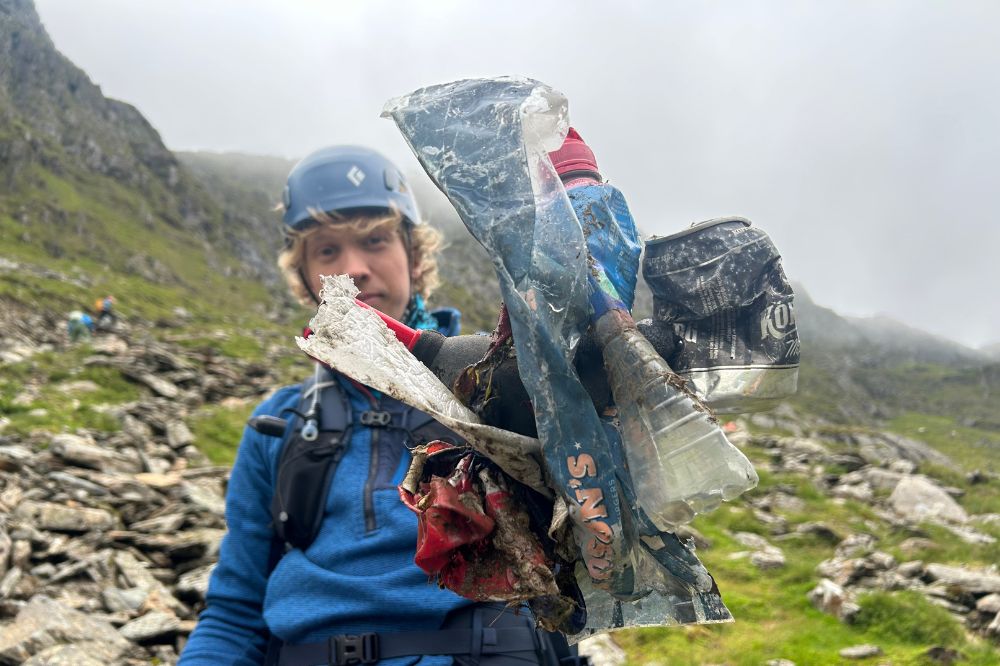
British Mountaineering Council Access and Conservation Officer, Tom Carrick, said: “The Clogwyn y Garnedd cliffs are a challenging area to clean, but due to the nature of the wind and topography of the mountain, pollution is captured in this area, damaging the wildlife that lives within this beautiful landscape.
“Abseiling down 300m is tricky but heading up into this environment by foot across the bottom whilst surveying and carrying heavy loads also takes skill and experience.
“The fact that we found dozens of caps and rucksack rain-covers shows that a lot of what is lost is accidental, and reflects the sheer volume of people visiting Yr Wyddfa.”
Support our Nation today
For the price of a cup of coffee a month you can help us create an independent, not-for-profit, national news service for the people of Wales, by the people of Wales.



Amazing effort. Well done . thank you all.
Bendigedig!
You have to feel sorry for the walkers though – many of them exhaust themselves carrying full bottles of coke or water to the top of the mountain, and they have no energy left to carry the empties back down. What else can they do but drop them on the ground and walk on?
You are joking …… aren’t you?
Dear oh dear…yes I am joking.
It’s very difficult to understand why visitors who have probably travelled quite a distance to enjoy the beauty and wonder of Yr Wyddfa would dump rubbish. They are obviously intrigued by the mountain in which case one would expect them to take their litter home. Unbelievable. If they visited Buckingham Palace would they do the same there? No. So what’s the difference? A big thank you to the volunteers.
Good to see this story highlighted. The constant use of the word ‘trash’ in the article and the headline does grate a bit though. Sounds as if it was written by an American. Picky I know.
They should be made to pay few pounds before being allowed to walk up unless they are from a local address.