


MP criticises exclusion of small towns from flagship UK funding programme
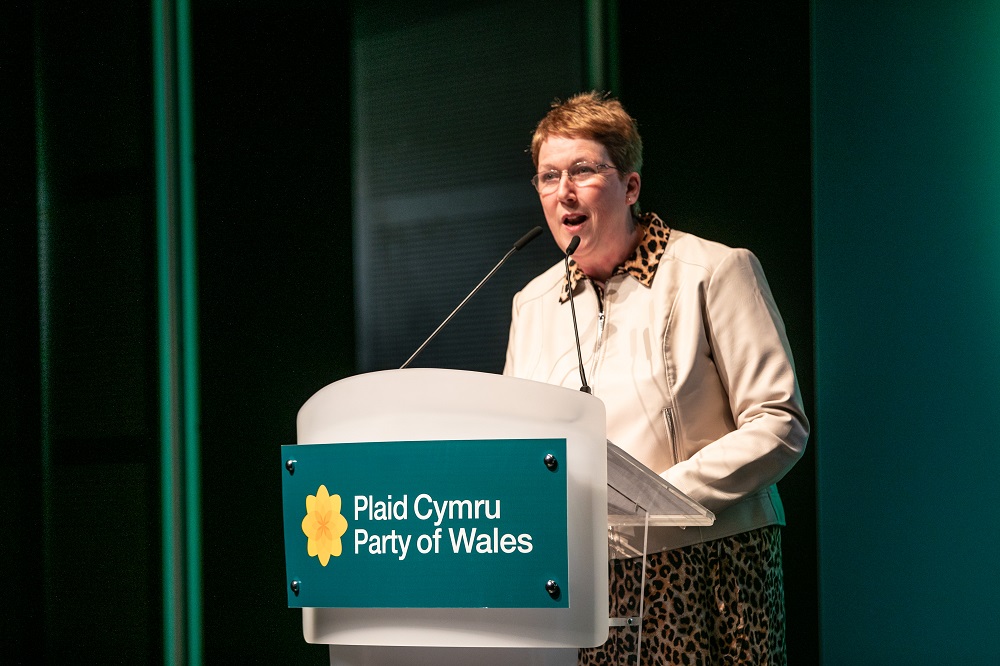
Ben Isaac-Evans
A Plaid Cymru MP is urging the UK Government to review the eligibility criteria for the Pride in Place funding scheme.
Ann Davies, the MP for Caerfyrddin, has called for changes to ensure that the programme properly reflects the distinct demographic and economic realities of Welsh communities.
She says that she sees it as a particular problem in rural and post-industrial areas such as Ammanford and is concerned they are not given a fair opportunity to benefit from future investment.
She also criticised what she perceives to be the UK Government’s lack of flexibility and practical understanding in denying smaller market towns access to vital funding.
She said: “Pride in Place, that has really been for large towns of over 10,000 people. I have Ammanford in my constituency, which is 9,000. Ammanford would so benefit from Pride in Place funds, but it is not eligible.
“A 10,000-person place in England would probably be a large village; in Wales it is a town, is it not? It is a different ball game. I am just asking that, when these big announcements are made, Wales is looked at uniquely in terms of how our villages and towns are made up, especially in rural Wales.”
Highlighting what she described as shortcomings in the plans for Wales, she emphasised that the initiative has not been designed with Welsh communities in mind.
“I work closely with Carmarthenshire County Council, which strives to support local people and secure vital investment for post-industrial market towns such as Ammanford. However, when the UK Government designs England focused programmes with criteria that do not reflect the realities of Wales, it denies our communities a meaningful opportunity to access this funding.”
Ms Davies raised the issue last week at a Welsh Affairs Committee meeting and argued that communities have been denied valuable support because of an overly prescriptive and restrictive approach to eligibility.
She said “Pride in Place has really been for large towns of over 10,000 people. I have Ammanford in my constituency, which is 9,000. Ammanford would benefit from Pride in Place funds, but it is not eligible. I am just asking that, when these big announcements are made, Wales is looked at uniquely in terms of how our villages and towns are made up, especially in rural Wales.”
“That is the problem with local government. The officials, councillors and officers I have spoken to are really worried that the funding will not be there to keep the jobs that the Shared Prosperity Fund has secured . For rural communities such as mine, that includes things like having a local bus service that covers the top end of the county but would never be able to pay its way as a commercial service. It is about things like that, really”.
Welsh Secretary of State Jo Stevens MP replied “What I would say on that, Ann, is that obviously there have been rural communities included within the funding”.
She added “It is a very Welsh programme, with Welsh criteria, for Wales”.
Ann Davies responded “Pride in Place is not”.
Jo Stevens went on to say: “On the £20 million fund, every local authority has had £1.5 million from the Pride in Place impact fund.
“I wonder about the example you raised about the bus service in the north of the constituency. That might be something the Pride in Place impact fund could help towards.
“Every single local authority in Wales has had £1.5 million”.
Support our Nation today
For the price of a cup of coffee a month you can help us create an independent, not-for-profit, national news service for the people of Wales, by the people of Wales.



Jo Stevens needs a lesson in mathematics. If every one of the 22 local authorities in Wales has had £1.5 million, that adds up to £33 million allocated to Wales, from a fund of £20 million. So where did the other £13 million come from?
I share Plaid’s sentiment — this is what happens when Whitehall, not Cardiff Bay, decides where and how to spend the pride‑of‑place funding.