


MPs cheer as Employment Rights Bill becomes law
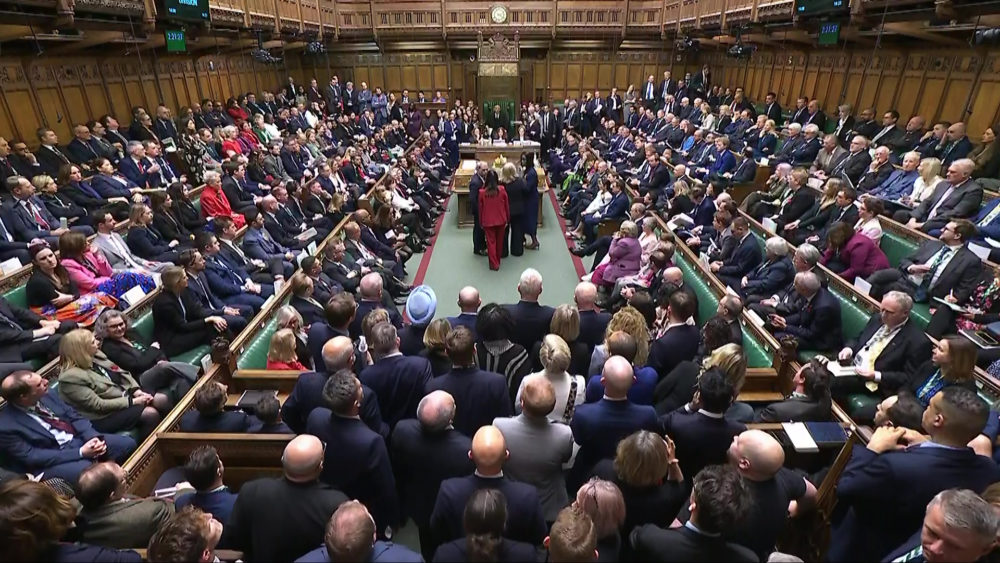
The UK Government’s landmark Employment Rights Bill has become law after it received royal assent.
MPs cheered as Commons Speaker Sir Lindsay Hoyle made the announcement on Thursday.
The legislation introduces a raft of new workers’ rights, including a right to paternity leave from day one on the job, a right to sick pay from the first day of illness, and new protections for pregnant women and new mothers.
The Bill also brings in a right to guaranteed hours, whistleblowing protections for sexual harassment, and a number of trade union and industrial action reforms.
It comes after the House of Lords ended its stand-off with MPs on Tuesday, following assurances from the Government over scrapping the compensation cap on unfair dismissal.
The Bill that has reached the statute books, however, is missing one key election pledge – to give employees day-one protections against unfair dismissal.
With the clock ticking down to the Christmas recess, the Government dropped that pledge and accepted a six-month qualifying period demanded by peers.
But as part of the compromise, it introduced an 11th-hour measure to scrap the compensation limits for unfair dismissal, which are currently the lower of 52 weeks’ pay or £118,223, sparking a fresh row.
Reassuring peers, the Government said it would publish an impact assessment for this once the Bill becomes law and prior to regulations being introduced for the unfair dismissal package.
A late concession from the Government also saw fire and rehire provisions softened, making the practice automatically unfair only for changes to certain core terms, including pay, required number of working hours, shift times and length, pensions and time-off rights.
Business groups, including the Confederation of British Industry (CBI) and the British Chambers of Commerce (BCC), said that there were still issues with the Bill but urged peers to back down and end the parliamentary “ping-pong” between the Commons and the Lords.
Business Secretary Peter Kyle said: “This landmark legislation, now soon to be in law, will drag Britain’s outdated employment laws into the 21st century and offer dignity and respect to millions more in the workplace.”
‘Bad Bill’
Shadow business secretary Andrew Griffith said that, despite changes being secured, it remained “a bad Bill”.
He warned: “It will pile costs on to small businesses, freeze hiring, and ultimately leave young people and jobseekers paying the price for Labour’s capitulation to their union paymasters.”
TUC general secretary Paul Nowak said: “This is an historic day and early Christmas present for working people across the country, and the trade unions who represent them.”
Unison general secretary Christina McAnea said: “This is the biggest improvement to employment rights in a generation and can’t come soon enough.
“For far too long, the balance of power has been tipped away from working people. These measures go some way to shifting the dial the other way.”
Critics of the Bill say it will add more financial burdens to businesses already struggling with employers’ national insurance hikes, with the Government’s own analysis suggesting it will cost firms up to £5 billion per year to implement.
While this is less than 1.5% of the total amount spent by businesses on employing staff, the new measures are expected to have a disproportionate impact on smaller businesses.
Support our Nation today
For the price of a cup of coffee a month you can help us create an independent, not-for-profit, national news service for the people of Wales, by the people of Wales.


