

MPs urged to reject attempt to overturn Lords-backed social media ban
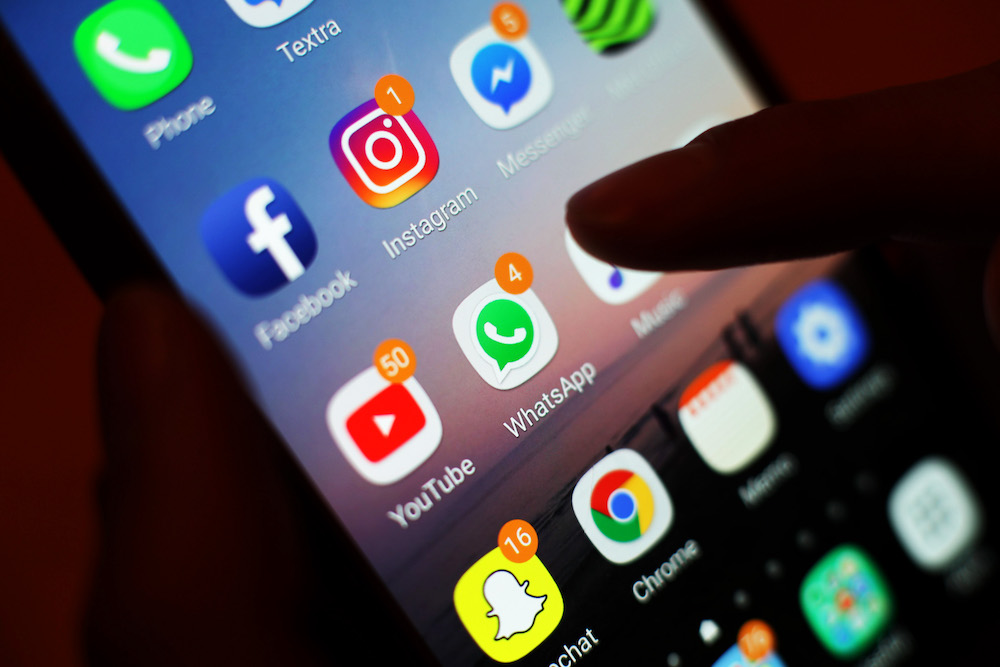
MPs have been urged to “reclaim childhood and begin to break the stranglehold of big tech” by rejecting an attempt to overturn a Lords-backed ban on under-16s using social media.
A Commons debate on Monday is expected to consider a government suggestion to replace the proposed age limit with a wider and more flexible power, which could see children blocked from “specified internet services”.
In January, a ban on social media for under-16s was backed by a majority of peers in the House of Lords following growing calls from campaigners including actor Hugh Grant.
Supporters of the Australian-style ban have argued parents are in “an impossible position” regarding the online harms their children are being exposed to.
But last week the Government launched an online safety consultation, which explores several themes including whether social media platforms should come with a minimum age requirement and whether platforms should switch off addictive features such as autoplay.
Conservative former minister Lord Nash, who steered the ban in law through the upper House, said the Government’s amendment to the Children’s Wellbeing and Schools Bill makes it “patently clear that raising the age limit to 16 for harmful social media platforms is far from their preferred option”.
The Centre for Young Lives think tank has called for the burden of proof to be placed on social media companies to prove their products are safe, rather than researchers having to prove that social media harms.
Its latest report calls for a public health approach to the subject, which “treats harms as a systemic issue that affects the whole population, rather than one that affects a minority of people” with the aim of preventing harms rather than simply explaining how to navigate through them.
The centre’s chief executive Haroon Chowdry urged MPs to back a ban, which he said might not fix the issue entirely but is a necessary start.
He said: “MPs have a clear opportunity today to reclaim childhood and begin to break the stranglehold of big tech. Setting a minimum age of 16 for the most harmful platforms is a good start.
“It is a simple and necessary harm-pausing measure. It cannot fix everything – no single measure will – but it is a vital first step in a wider package to make the digital world safer for young people.”
In contrast to the arguments in favour of a ban during the Lords debate in January, Liberal Democrat Lord Clement-Jones argued a blanket ban “risks protecting children in a sterile digital environment until their 16th birthday, then suddenly flooding them with harmful content without having developed a digital literacy to cope”.
Last week, bereaved parents whose children died after experiencing harms linked to online platforms added their voice to the calls for a ban to be taken forward.
The parents included Esther Ghey, whose 16-year-old daughter Brianna was murdered by two teenagers in 2023, and Ellen Roome, who believes her 14-year-old son Jools died while attempting an online challenge.
They aired their concern at suggestions of further consultation being needed ahead of a ban, saying: “Online safety has already been debated at length.
“The harms have been examined extensively, and the evidence continues to grow. Families are living with the consequences every day.”
Support our Nation today
For the price of a cup of coffee a month you can help us create an independent, not-for-profit, national news service for the people of Wales, by the people of Wales.


