

MS criticises recycling scheme over fears it will hit families, elderly, and disabled residents
Richard Evans, Local Democracy Reporter
A Senedd member has called on the Welsh Government to pause the introduction of its recycling Deposit Return Scheme (DRS), fearing it could hit vulnerable families, the elderly, and the disabled hardest.
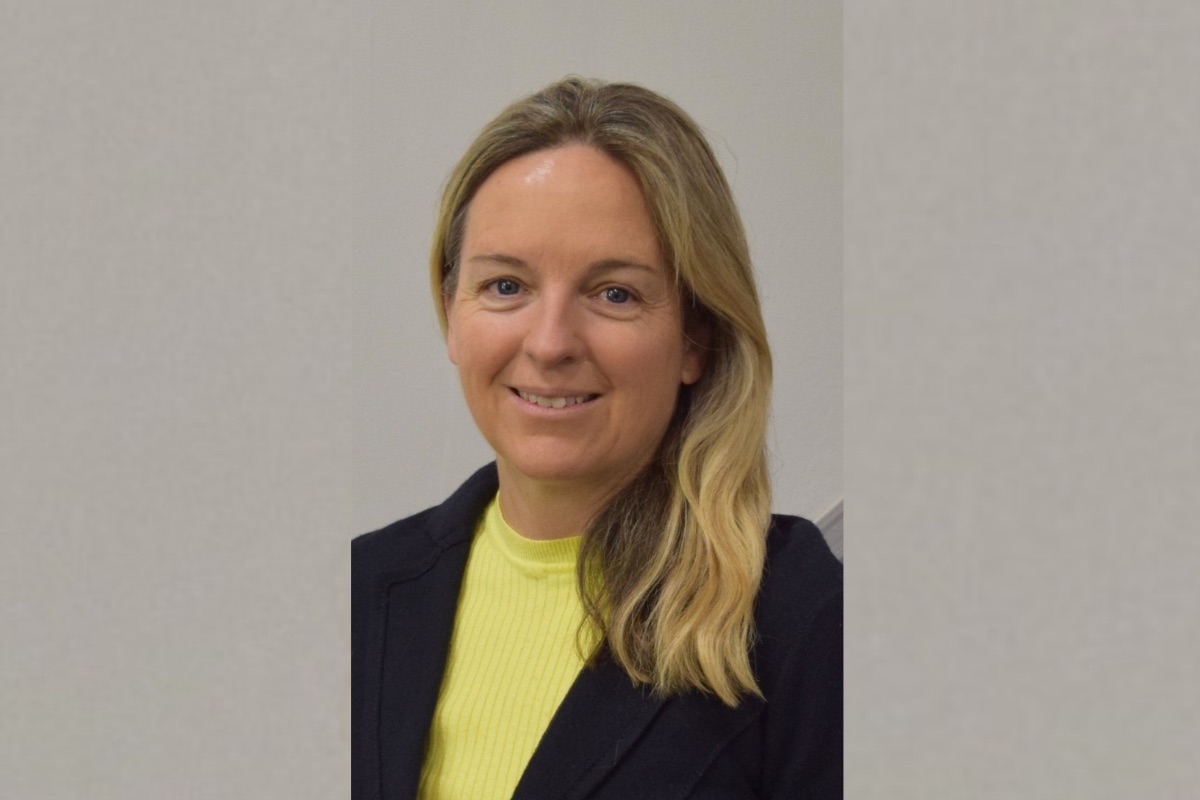
Clwyd MS Louise Emery says the scheme could also leave councils facing additional recycling costs and a loss of income.
The scheme, which will be launched on 1 October 2027, introduces a 20p charge for consumers on eligible single-use containers. These will include PET plastics, aluminium cans, and glass bottles.
Consumers will then be able to recoup the 20p “deposit” by returning the packaging to designated recycling collectors, with schemes using a voucher or card.
But Ms Emery is concerned about how the scheme will hit north Wales families and the most vulnerable.
“Buy a 24-pack of water and you’re charged an extra £4.80 before you’ve even got it to the car,” said Ms Emery.
“Have a look at every item in your trolley and see how much that adds up to over a weekly shop. Ministers talk about this as a refundable deposit, but for a lot of families it’s money they don’t have spare to hand over at the till in the first place.
“If you’re elderly, disabled, or you simply don’t drive, you’re now expected to lug bags of bottles and cans back to a shop to get your own money back.
“And what happens when you get there and the machine’s full, or it’s broken? You don’t get your deposit – you have to carry it all home again or travel further to find another machine that works. Nobody designing this scheme seems to have thought about the person who can’t just pop back in the car.”
Earlier this week, Conwy County Council’s cabinet member for the environment, Cllr Mike Priestley, said the scheme could cost the authority £1m a year in lost revenue, as councils currently sell on recycling collected from its kerbside scheme.
Ms Emery has also pointed to councils losing out financially, with a loss of income generated through selling on collected recycling and arranged payments to cover this cost.
This, she claims, could leave councils without the funds needed to process packaging that could continue to be placed in kerbside recycling while the cost of running recycling plants increases.
Ms Emery is also concerned about the collection of aerosols, which she said would still need to be dealt with by councils.
“That bill doesn’t disappear – it lands on Welsh council tax payers, and I want the Welsh Government to say who is covering it,” said Ms Emery.
“We’re asking people to post a bottle into a machine and come away with a paper ticket, like it’s 1985.
“If this is supposed to be about modernising how people recycle, handing someone a strip of till roll to queue up and cash in doesn’t feel like progress.”
She raised a further concern over Wales’ decision to include glass in its scheme while England does not.
“Once Wales is charging a deposit on glass bottles and England isn’t, what’s to stop someone filling a car boot with bottles bought over the border, where no deposit was ever paid, and bringing them back to Wales to cash in a refund they were never owed?” she said.
“That’s a fraud risk built into the scheme by design, and nobody has told me how trading standards or the scheme administrator intend to stop it. There’s also confusion with how businesses will cope, never mind the fact that unclaimed deposits will sit in an account of a private company and no direction yet on what this will be used for.”
A Welsh Government spokesman said: “We are working with Exchange for Change to make the scheme accessible and convenient for everyone, including disabled and housebound people.
“The scheme will reduce litter, which will result in lower clean-up costs for councils and taxpayers. Glass is included from the outset but carries a zero-pence deposit for four years to give industry time to adapt and remove fraud risks.
“Exchange for Change will publish further guidance for producers and consumers before the scheme starts on 1 October 2027.”
He added that drinks containers in the scheme will not be subject to “duplicate producer responsibility obligations”.
Support our Nation today
For the price of a cup of coffee a month you can help us create an independent, not-for-profit, national news service for the people of Wales, by the people of Wales.
Get more trusted Welsh news
Choose Nation.Cymru as a preferred source in Google News to see more of our journalism.


