


National census launched to map Wales’ chapel heritage
Wales
A major new national census of Nonconformist chapels across Wales has been launched, in a bid to build the most comprehensive picture in over a century of their condition, use and future.
The survey, led by the Royal Commission on the Ancient and Historical Monuments of Wales (RCAHMW), forms part of the wider Capeli Cymru project, supported by the National Lottery Heritage Fund.
Working with religious denominations, congregations, heritage bodies and local communities, the initiative aims to safeguard one of Wales’ most distinctive cultural and architectural legacies.
The Welsh Nonconformist Chapel Census 2026 will gather detailed information on how many chapels remain open for worship, how they are used by communities, and the physical condition of their buildings.
It will also track what has happened to chapels that have closed, identifying those that have been repurposed, converted, demolished or left empty.
Historic roots
The census builds on two landmark surveys that documented the central role of chapels in Welsh life.
The 1851 Religious Census recorded foundation dates, seating capacity and attendance, revealing the growing strength of Nonconformity during the industrial era, when chapel attendance outstripped that of the Anglican Church.
A further survey in 1905, conducted ahead of the disestablishment of the Church in Wales, found that around three-quarters of the population identified as Nonconformist.
Susan Fielding, of the Royal Commission, said: “The 1851 and 1905 censuses provide two invaluable snapshots of the chapel’s past. Our 2026 census will offer a third.
“Together, they tell an evolving story of faith, community, and identity which is vital in informing national strategies to protect buildings commonly referred to as the ‘National Architecture of Wales’.”
Changing landscape
Previous research has identified nearly 6,500 chapel sites across Wales, but there is currently no accurate national record of how many remain active.
The new census will compile a definitive list of open chapels, alongside data on membership, attendance and patterns of worship.
It will also examine the wider role chapels continue to play, including their use for community activities and events.
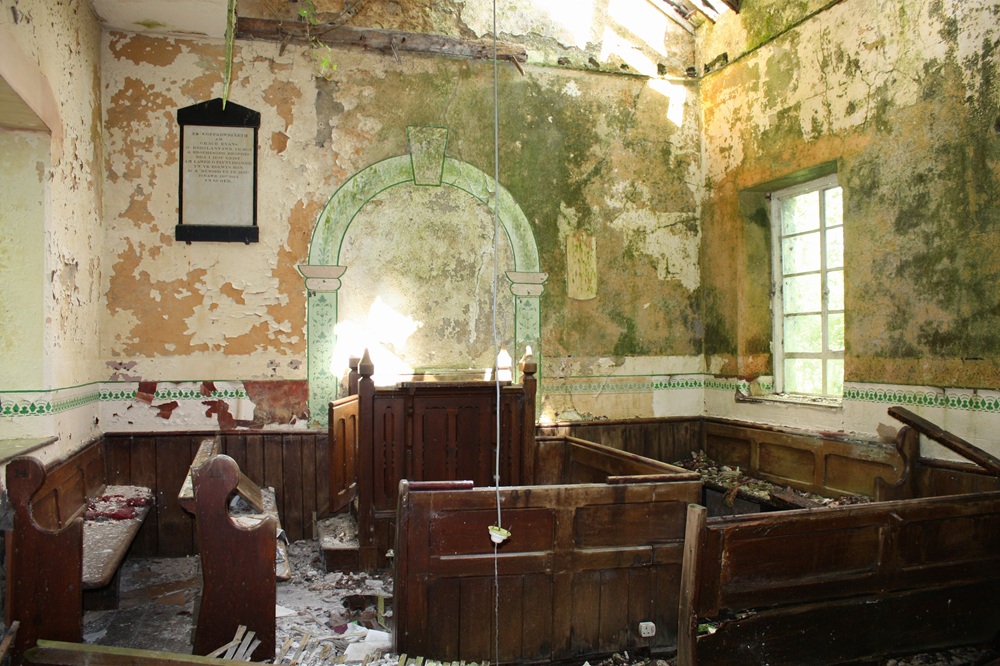
For buildings no longer in religious use, the study will explore how they have been adapted or lost, as well as the condition of those left vacant or derelict.
Researchers will also gather information on historical archives and artefacts held by congregations, helping to map the survival of Wales’ documentary and material heritage.
The data will allow analysis of long-term trends in chapel use and closure across different regions and denominations, providing an evidence base for future conservation and reuse.
Call for public help
The project team is inviting members of the public to take part in the census, including chapel members, owners and local residents.
Two online questionnaires have been launched — one for congregations at active chapels, and another for anyone able to provide information about chapels in their area.
Organisers say community input will be vital in ensuring the accuracy and reach of the survey.
The Capeli Cymru project has already received initial development funding of more than £150,000 from the National Lottery Heritage Fund, with the potential for further investment of up to £1.25 million.
The Royal Commission, established in 1908, said the census would play a key role in shaping future efforts to preserve and sustain Wales’ historic chapel buildings.
Both questionnaires can be accessed on the Capeli Cymru project page
Support our Nation today
For the price of a cup of coffee a month you can help us create an independent, not-for-profit, national news service for the people of Wales, by the people of Wales.


