

National park communities ageing as population declines
Dale Spridgeon
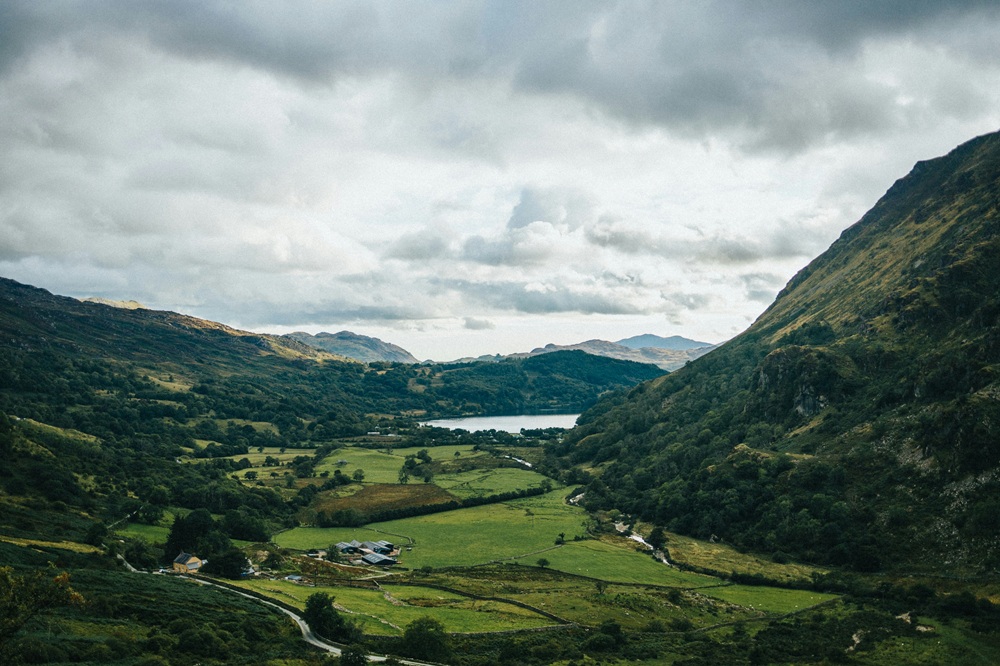
Rising numbers of older residents and a shrinking population are reshaping communities in Wales’ largest national park, a new analysis reveals.
The data shows a marked rise in the proportion of residents aged over 65, alongside a decline in overall population — raising concerns about the long-term sustainability of local communities.
The findings come from 2021 Census data included in a draft Community Engagement Strategy report due to be discussed by the Eryri National Park Authority later this month.
The report shows that the population of Eryri fell by 5% between 2011 and 2021 to 24,418 residents, in contrast to a 1.4% increase across Wales over the same period.
At the same time, the park’s population has grown significantly older, with people aged 65 and over making up 28.7% of residents — well above the Welsh average of 21.4%.
The number of young children has also declined. Those aged 0–4 accounted for just 3.7% of the population in 2021, down from 4.6% a decade earlier and below the Wales-wide figure of 5%.
Despite these demographic challenges, residents in Eryri are generally better qualified than elsewhere in Wales.
More than a third (36.2%) hold qualifications at Level 4 or above, compared with 31.5% nationally, while the proportion of people with no qualifications is lower at 16.3%, against 19.9% across Wales.
Employment levels are also slightly higher than the national average, with 52.6% of people economically active and in work, compared to 51.9% across Wales. Unemployment stands at 2.1%, below the national figure of 2.5%.
However, the report highlights a significantly higher proportion of residents who are economically inactive due to retirement, at 31.2% — 6.5 percentage points above the Wales average.
In terms of occupation, the park has a notably higher proportion of people working in skilled trades, at 20.3% compared with 12.2% across Wales.
Key industries include health and social care (13.3%), retail and vehicle repair (11.1%), hospitality (10.8%) and education (10.7%), while agriculture, energy and water account for 10.4% of employment — far higher than the Welsh average of 3.7%.
The report also highlights the continued strength of the Welsh language in the area, with around 56% of residents able to speak Welsh.
It notes that “the vitality of Welsh is most evident… because it remains a language of choice in many social and professional environments”.
The draft strategy will be discussed at a meeting on April 29.
Support our Nation today
For the price of a cup of coffee a month you can help us create an independent, not-for-profit, national news service for the people of Wales, by the people of Wales.
Get more trusted Welsh news
Choose Nation.Cymru as a preferred source in Google News to see more of our journalism.




All the youth have legged it.