


Nearly 17,000 emergency food parcels have been distributed in a Welsh county
Anthony Lewis, Local democracy reporter
Nearly 17,000 emergency food parcels were provided to people facing hardship in Rhondda Cynon Taf (RCT) last year.
New figures released by the four foodbanks in RCT show that more than 16,835 emergency food parcels were handed out in 2025 with 5,900 of these provided for children.
This means Rhondda Cynon Taf saw the second-most foodbank parcels distributed of any local authority in Wales and the 35th-most of any local authority in the UK.
The foodbanks have seen a 0.1% slight increase in the number of emergency food parcels distributed compared to 2024.
A spokesman for the foodbanks said: “It has been a tough year. Far too many people in our communities are still going without the essentials as the cost of living continues to impact our communities.
“Donations are not keeping pace with the level of need and we encourage everyone who can do so to donate and ensure their local foodbank can continue to be there for anyone facing a crisis in RCT.
“We hear constantly about the struggles facing people at risk of hunger and hardship and, although we have seen some positive steps, we still need urgent action from the government to ensure everyone can afford the essentials and no-one has to use a foodbank to survive.”
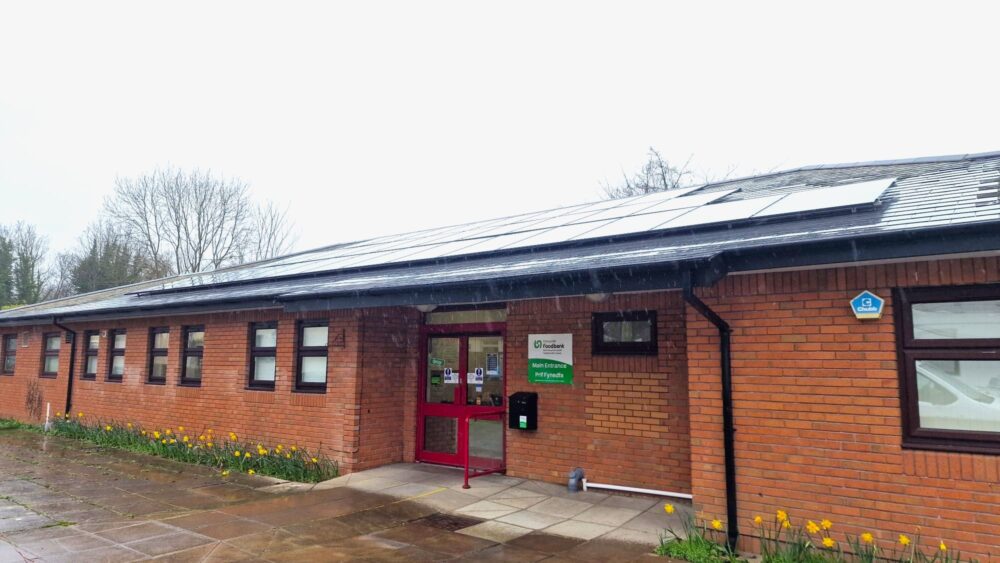
The four foodbanks covering RCT are Pontypridd, Rhondda, Taff-Ely, and Merthyr Cynon (which also operates in Merthyr Tydfil County Borough).
They are part of the Trussell community of foodbanks which has highlighted the deep scars the pandemic and cost-of-living crisis have left on living standards with foodbank use across the UK still 45% higher than in 2019.
Families with children continue to be among the hardest hit, receiving 62% of parcels in 2025 despite these families making up just 42% of the UK population.
Annual figures from Trussell show more than 154,000 emergency food parcels were provided across Wales in 2025.
The foodbanks say they believe everybody should have enough money in their pockets to put food on the table and are calling on the community to play their part to help end the need for emergency food in the UK.
Until then the public can help make sure the foodbanks continue to provide support and advice in the year ahead by donating food or funds on the Trussell Trust website.
Helen Barnard, director of policy, research, and impact at Trussell, said: “We are still seeing far too many people across Rhondda Cynon Taf being forced to turn to foodbanks for support including children, families, disabled people, working people, and older people.
“It isn’t right that so many people in RCT are still trapped in severe hardship and left without the support they need to live with dignity. No-one should be left sitting in the dark to save on electricity or skipping meals so their children can eat.
“Every day staff and volunteers at foodbanks do an incredible job of supporting people facing hunger – but the truth is that foodbanks shouldn’t need to exist in the first place.
“We know the solutions to ending the need for foodbanks.
“That’s why the government must acknowledge the challenges facing people from RCT and commit to delivering meaningful lasting change so that everyone can afford the essentials and we can end the need for foodbanks for good.”
You can find out how many emergency food parcels were provided to people facing hardship in your local area on the Trussell website.
Support our Nation today
For the price of a cup of coffee a month you can help us create an independent, not-for-profit, national news service for the people of Wales, by the people of Wales.


