


Nearly all senior council staff paid six-figure salaries, report reveals
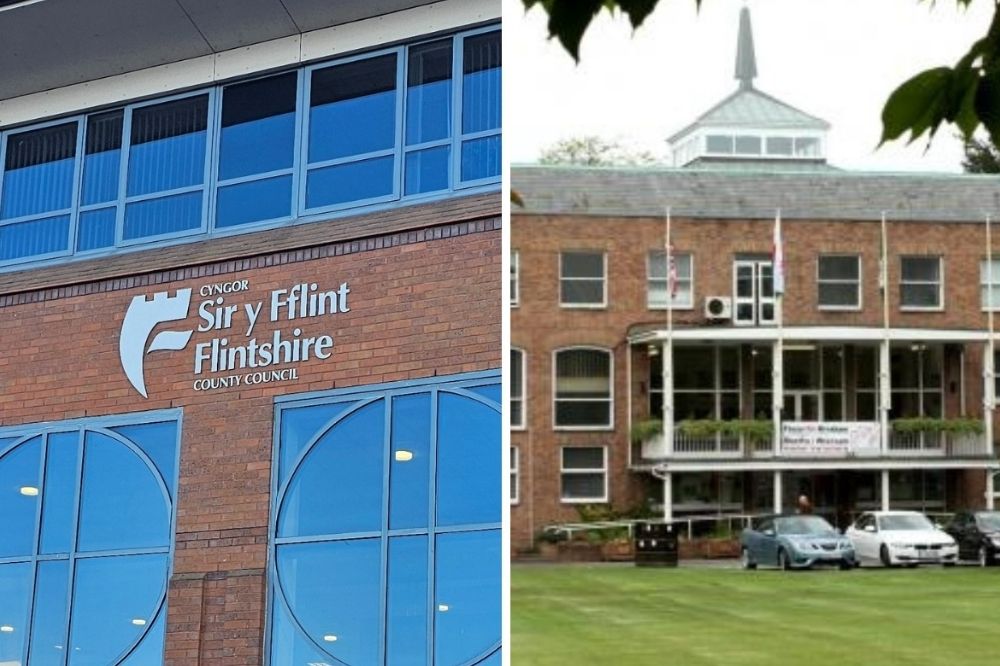
Alec Doyle, Local Democracy Reporter
The latest Town Hall Rich List report has revealed all but one senior officer in a Welsh county council is earning more than £100,000.
The report from the Taxpayers Alliance covers the 2024/25 financial year and shows Flintshire County Council did make efforts to prevent officer pay racing away by cutting some salaries while Wrexham managed to save money when replacing its Chief Executive.
The Alliance says the Rich List is a tool for residents to hold councils to account for how they spend council tax. Since the first Rich List report was compiled 20 years ago, the average band D council tax in Flintshire has risen by 87.8% while in Wrexham it has increased by 84.3%.
According to the latest data Flintshire County Council Chief Executive Neil Cockerton received a £3,608 pay increase in 2024/25 as his salary rose from £144,317 to £147,925.
That ranks him seventh of the 14 Chief Executives for whom there is available data in Wales.
But the authority offset that with savings made from other senior officers’ pay. The Chief Officer Governance Gareth Davis saw his salary fall from £114,111 in 2023/24 to £108, 642 in 24/25 while the Chief Officer for Social Services salary reduced from £105,992 to £92,710.
In total Flintshire’s senior officer wage bill increased by just £3,520 per year.
In Wrexham County Borough Council, where figures are reported slightly differently, there was initially a significant year-on-year saving when departing Chief Executive Ian Bancroft’s £149,775 salary in 23/24 was replaced by Interim Chief Executive Alwyn Jones’ £134,733 wage.
Since being given the job permanently last summer, Mr Jones’ salary has risen to £143,890 – placing him just behind Flintshire’s top boss as eighth in Wales – but still representing a small saving for Wrexham Council.
Details of specific senior officer pay are not published by Wrexham Council however all seven senior officers – including the Chief Executive – earn more than £100,000 per year.
Tax increase
During the same year Flintshire increased its council tax by 9% and Wrexham by 9.9% to deal with significant budget deficits.
Sharon Carney, Corporate Manager for People and Organisational Development at Flintshire County Council, said: “As per our published Pay Policy Statement, the National Joint Council negotiates the pay, terms, and conditions of employees in local authorities.
“It agrees an annual cost of living uplift to the national pay spine, on which each individual council decides where to place its employees. Each council considers several factors such as job size and local market conditions when deciding an employee’s salary.
“There are no nationally determined jobs or pay grades in local government, unlike in other parts of the public sector. As with other Welsh councils, this council continues to comply with all national pay bargaining arrangements in respect of the establishment and revision of the national pay spine, for example through any agreed annual pay increases negotiated with joint trade unions at a United Kingdom level.
“In July 2025, national pay agreements were reached in relation to Chief Officers and Chief Executives which provided for the basic salaries of all officers in scope of the JNC for Chief Officers and Chief Executives of local authorities to be increased by 3.2% with effect from April 1, 2025.”
Keeping track
The annual publication of the Town Hall Rich List by the Taxpayers Alliance aims to keep track of how many senior council officials are earning above £100k per year by compiling data from councils across the UK.
A spokesperson for the Taxpayers Alliance said: “In the 20 years we have been compiling this data the number of local authority employees across the UK featured on this list has risen eightfold from 578 in 2005-06 to 4,733 in 2024-25.
“This has corresponded with an expansion in the scope of local government and the number of responsibilities they are required to deliver over the last two decades. Local taxpayers have borne a significant share of the burden.”
Support our Nation today
For the price of a cup of coffee a month you can help us create an independent, not-for-profit, national news service for the people of Wales, by the people of Wales.
Get more trusted Welsh news
Choose Nation.Cymru as a preferred source in Google News to see more of our journalism.




So while senior council employees are telling us that they are skint and cannot afford this, that and the other they are paying themselves generous six-figure salaries. Why do we put up with this when most councils are absolutely useless at providing services? Pay for success yes but paying for complete incompetence is foolish. They must be laughing their socks off at our stupudity for tolerating this behaviour.
How can their six-figure salaries possibly be justified when they’re failing to provide even the statutory level of services people deserve? Elected councillors should surely have the backbone to represent the people and not pay out full salaries in cases where these officers are failing. Ensuring the authorities they lead comply with statutory requirements is literally the bare minimum requirement of their jobs.
The excuse is always that they have to pay a “market rate” to attract capable managers from the private sector and industry. Private sector managerial salaries are rocketed in the last 20 years.
Unfortunately they do not take a similar view about the pay for those actually doing the work of struggling to provide essential services with diminishing resources.
“Capable managers”!!!! The six-figure capable managers are completely useless. The way things are currently being run begs the question why do we need councils. The only useful thing they currently provide is collecting the rubbish so why do we need so many six-figure council staff to do that? What do they do all day?
Why do we need 22 county councils for three million PEOPLE? I come from a county with half a million people,one county council.Just think how much we could save with just six councils,Wales would be very wealthy
But Frank, all of these are on a gold plated index linked pension. Now that is an extremely rare beast in the private sector. That boosts their salary by 25 to 30%
Comparing an employed position (council officer) with an elected office (prime minister) really is comparing chalk with cheese.
A fairer assessment would be a comparison of senior civil service salaries, e.g. permanent secretaries, etc., whose salaries are also much higher than what the prime minister earns.
It’s revealing that the Tax Dodgers Alliance never mentions them in its annual press release.