


Neolithic tombs used to trace family lineages, study finds
Nation.Cymru staff
Ancient tombs built by some of Britain’s earliest farming communities may have been used to trace family lineages over generations, new research suggests.
A study led by researchers at Cardiff University found that people buried in Neolithic tombs in northern Scotland were often related through the male line, pointing to the importance of kinship in early societies.
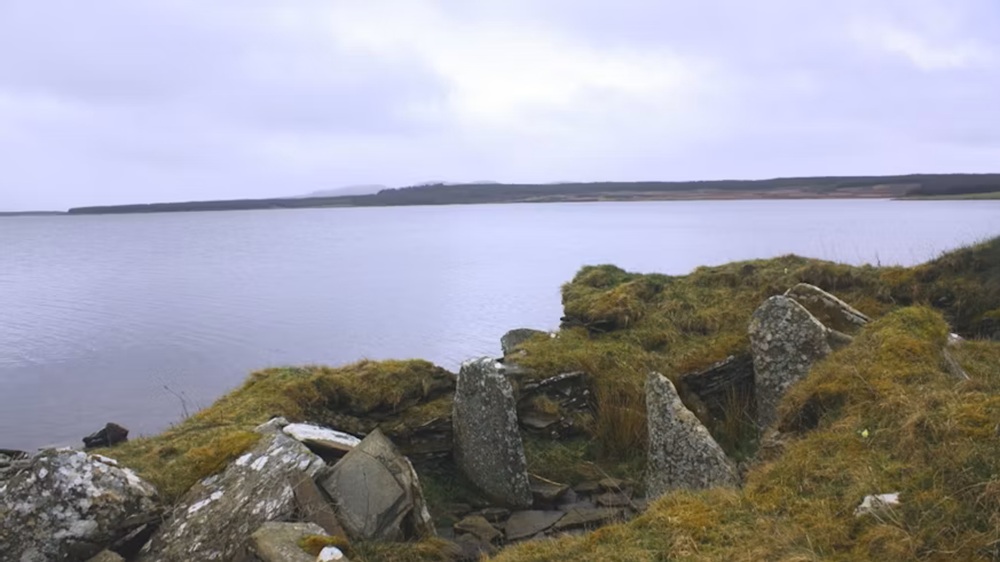
The research focused on burial sites in Caithness and the Orkney Islands, dating from around 3800 to 3200 BC, and used ancient DNA analysis to examine relationships between individuals interred within the structures.
The findings, published in the journal Antiquity, indicate that these monumental tombs may have acted as physical markers of family identity, with burial practices reinforcing connections between generations.
Lead author Vicki Cummings, professor of Neolithic archaeology at Cardiff University, said the results highlighted the significance of paternal descent in these communities.
“These results are consistent with the interpretation that patrilineal descent was traced in this region,” she said.
She added that for early Neolithic groups, social ties may have been just as important as key aspects of daily life such as farming and tool-making.
The study found that while burial practices varied between different locations, tombs were typically used by small kin groups. In some cases, genetic links were identified between individuals buried in Orkney and those on the Scottish mainland, suggesting connections across regions.
Researchers believe the construction and continued use of these tombs helped communities to maintain and project their identities over time.
Professor Cummings said advances in DNA analysis had made it possible to uncover relationships that would otherwise have remained unknown.
“It is incredible to think that, more than 5,000 years after these people were buried, we are able to reconstruct how they were related to each other,” she said.
The study also points to a wider pattern across northern Scotland, with an emphasis on male lineage shared across different communities.
Co-author Chris Fowler of Newcastle University said kinship was central to how early societies were organised.
“Kinship is a social phenomenon that reflects how people relate to and belong within a community,” he said.
Support our Nation today
For the price of a cup of coffee a month you can help us create an independent, not-for-profit, national news service for the people of Wales, by the people of Wales.
Get more trusted Welsh news
Choose Nation.Cymru as a preferred source in Google News to see more of our journalism.


