

New book unravels mysteries of Montgomeryshire place-names
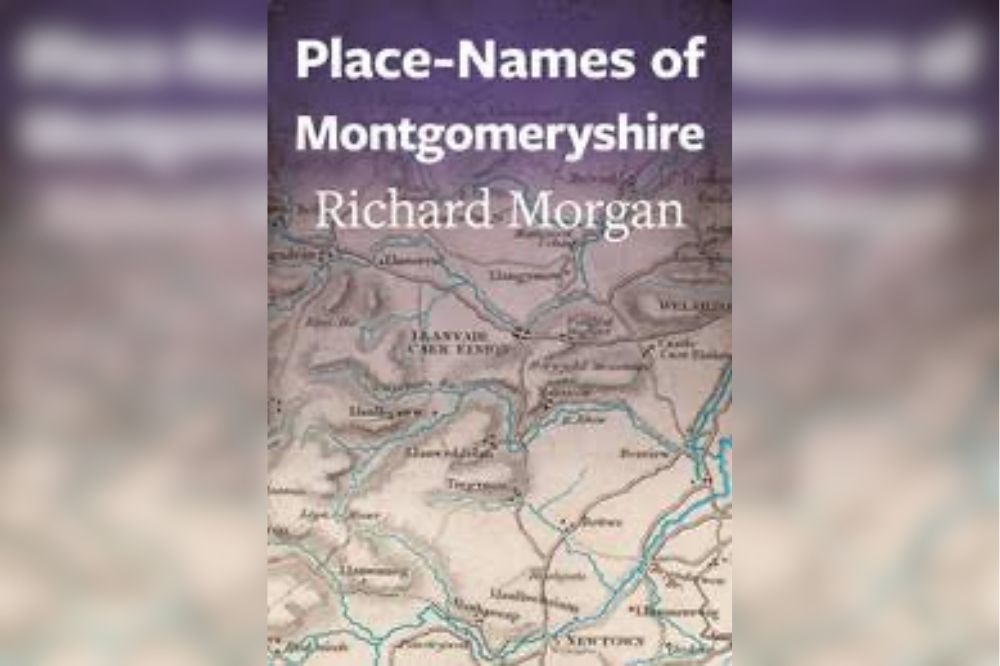
A comprehensive new study that unravels the meaning and origin of the names of all the towns, villages and hamlets in the old county of Montgomeryshire has been published.
The Place-Names of Montgomeryshire by Richard Morgan examines 900 place-names in the historic county of Montgomery (1536-1974) together with the southernmost part of Denbighshire that was transferred to Powys from Clwyd in 1996.
The result of years of detailed research by Morgan, a native of southern Denbighshire and a former archivist at Powys Archives and Glamorgan Archives who has also written Place-Names of Glamorgan (2018) and Place-Names of Carmarthenshire(2022), also contains a 1,000-entry glossary of place-name elements, personal names and rivers.
History
Speaking about his new book, which will be published on October 23rd in paperback and as an ebook, Richard Morgan said: “Tracing the history of Welsh place-names is a fascinating undertaking as it casts light upon the ways in which our ancestors lived and how they thought about the world around them.
“Place-names tell us a lot about how our ancestors lived, their languages and dialects, and how they thought about the world around them, but great care must be taken to gather as much written and spoken evidence as possible before attempting to interpret those names.”
False interpretations
Richard Morgan’s comprehensive study not only reveals explanations of Montgomeryshire’s place-names – but also resolves numerous false interpretations, including:
- Montgomery, which gave its name to a Norman castle, town and the former county, is actually a French name transferred from Normandy. To Welsh-speakers it is Trefaldwyn or ‘Baldwin’s town’ and this in turn has given us the Welsh language county name of Maldwyn.
- Drenewydd and Newtown both mean ‘new town’ in reference to its status when the settlement was established at the end of the thirteenth century, not in 1968 when it was declared a new town under the New Towns Act 1965.
- Guilsfield has no connection with anyone by the name Giles but is likely to refer to the golden flowers of a genus of hemlock which gave us its Welsh name Cegidfa (‘place of hemlock’).
- Meifod is a house or settlement located in the middle of a valley floor (Welsh mei- and bod) not one occupied in May (Welsh Mai).
Extending to 250 pages, in addition to the 855 entries that unravel the mysteries of the county’s place-names, the book also features many intriguing illustrations of Montgomeryshire’s historic towns and villages.
Support our Nation today
For the price of a cup of coffee a month you can help us create an independent, not-for-profit, national news service for the people of Wales, by the people of Wales.


