


New forms of work flexibility needed – report
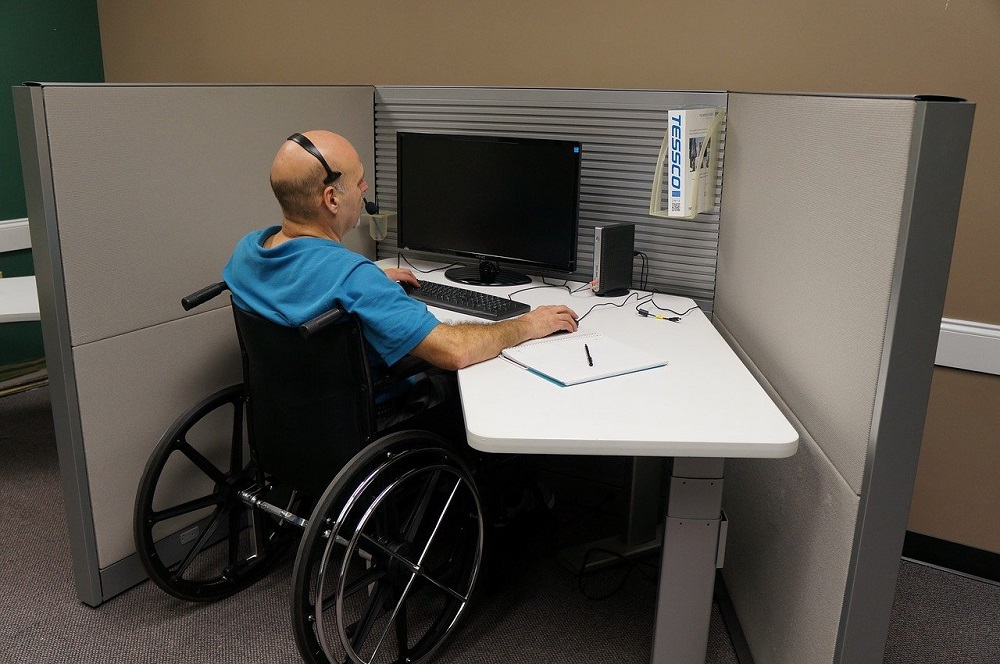
Employers are being urged to introduce new forms of flexibility in 2026 which will support disabled workers, especially those in low-paid sectors.
The Work Foundation at Lancaster University said firms should plan now for changes in the world of work after the introduction of the Employment Right Act.
The think tank said the UK was still “blighted” by near record levels of health-related economic inactivity.
A study of just under 4,000 workers showed that those with a health condition or disability are less likely to have access to flexible working options, which could be essential in supporting them to enter and succeed at work, said the report.
Respondents said the most common forms of flexibility offered by employers included freedom to make decisions about how to carry out daily tasks, having flexible working hours and being able to work from different locations, including home.
Researchers said they found that workers with long-term health conditions are less likely to be in jobs where they have autonomy to manage daily tasks or have flexible working hours.
The Work Foundation is calling for employers not to wait for the introduction of the new flexible work measures in 2027, but to instead take early action in 2026.
Director Ben Harrison said: “Flexible working is not a perk or a ‘nice to have’ – it can make the difference between someone suffering with their health being able to remain in work, or to return.
“Our analysis indicates that workers who face a health setback without any job flexibility are four times more likely to leave work.
“At a time of rising health challenges in the UK, employers should get ahead of upcoming legislative changes by reviewing how they can support all their workers to have access to different forms of flexibility in 2026.
“Introducing new forms of flexibility will disproportionately support disabled workers, especially those in low paid sectors.”
Professor Stavroula Leka, professor of organisations, work & health at Lancaster University and Work Foundation research fellow, added: “Our results indicate that workers with long-term health conditions experience lower job quality, which risks exacerbating their health and creating a vicious cycle of economic inactivity.”
Support our Nation today
For the price of a cup of coffee a month you can help us create an independent, not-for-profit, national news service for the people of Wales, by the people of Wales.


