


New Labour peers take seats in unelected House of Lords
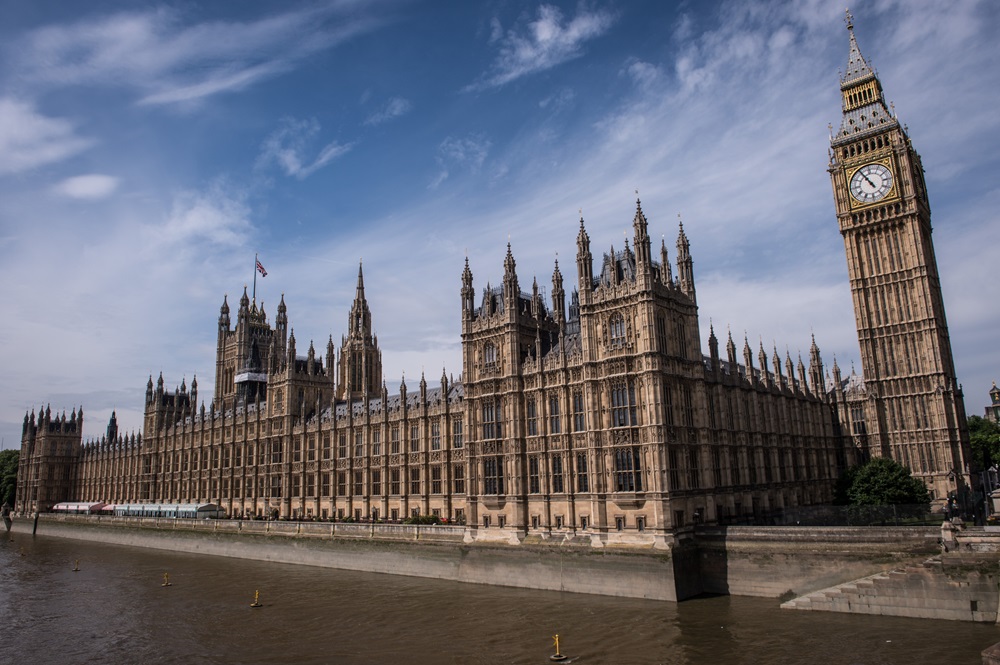
A former council leader and a mayor have taken their seats in the House of Lords as part of the latest influx of Labour peers to the unelected chamber.
Peter John and Brenda Dacres were among the 25 nominations from Prime Minister Sir Keir Starmer announced last month.
The wave of appointments came as Labour accused the Tories of having “stuffed” the upper chamber in power, enabling the party to now frustrate the Government’s legislative plans in opposition.
Lord John of Southwark takes his title from the London borough where he led the council for 10 years.
The barrister wore the traditional scarlet robes for the short introduction ceremony in the Lords, where he swore the oath of allegiance to the King.
He was supported by Government chief whip in the Lords, Lord Kennedy of Southwark, and Lords leader Baroness Smith of Basildon.
Also taking her place on the red benches was Baroness Dacres of Lewisham, who is mayor of the London borough where she also previously served as a councillor.
Dressed in the scarlet robes, the Labour peer was supported by Lord Kennedy and Baroness Kennedy of Cradley as she swore the oath of allegiance to the monarch.
The Prime Minister has appointed a total of 65 peers since Labour entered Government, including the 25 in December, according to parliamentary data.
Figures show the Conservatives remain the largest bloc in the Lords, with 281 peers compared with Labour’s 211.
There are 177 crossbench peers and 75 from the Liberal Democrats.
Meanwhile, plans are going through Parliament to abolish the 92 seats reserved in the Lords for hereditary peers.
There are currently 85 bloodline members after the suspension of by-elections pending legislation, the majority of whom – 44 – are Conservative.
So even if their removal gets the go-ahead, the Tories will remain the largest party in the upper chamber.
Further reform of the Lords is proposed, with a select committee due to report by the end of July on the introduction of a participation requirement and a retirement age.
There have been long-standing concerns about the size of the House and calls to reduce its membership, which currently stands at 851, compared with MPs, who are capped at 650.
This has been accompanied by frustrations at peers who rarely attend or only turn up to claim the daily allowance of £371.
It has fuelled claims some use the House as a glorified members’ club at taxpayers’ expense.
Support our Nation today
For the price of a cup of coffee a month you can help us create an independent, not-for-profit, national news service for the people of Wales, by the people of Wales.



Absolutely shocking that Labour has done little to tackle the bloated outdated and racket that is the Housr of Lords. How can they get a daily rate just for turning up of 350,? People on benefits are expected to live on similar amounts for 4 weeks! Reform won’t change it either.
Embarrassing