


New laws to reduce use of short prison sentences expected within weeks
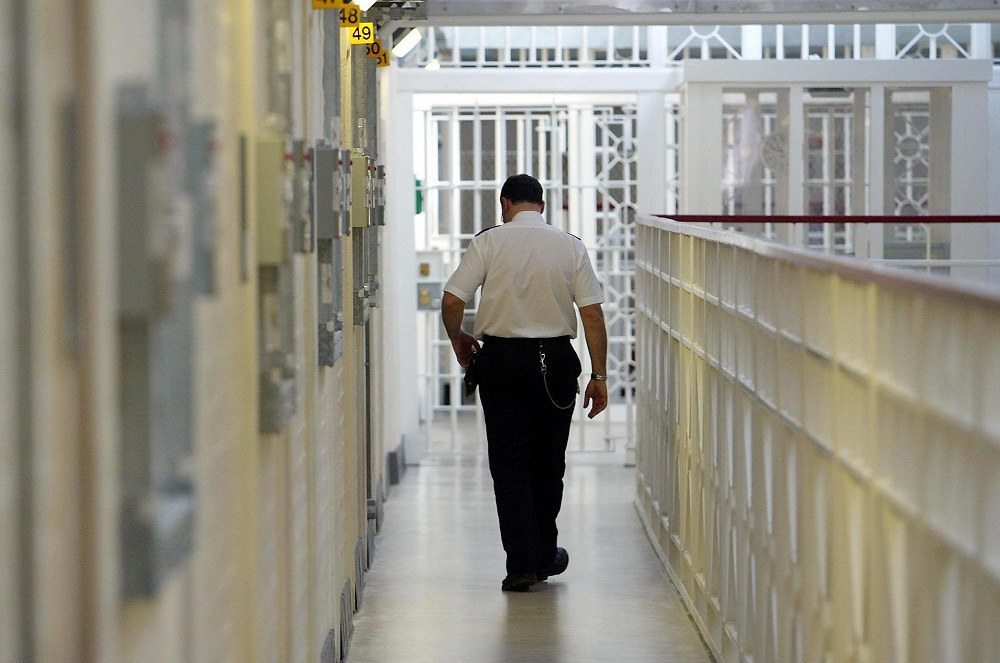
New laws to restrict the use of short sentences and strengthen community punishments in Wales and England will be introduced within weeks.
The measures, aimed at easing the crisis in prison places, will include a Texan-style earned release scheme allowing convicts who demonstrate good behaviour to be freed earlier.
Ministers have also set out plans for tougher community sentences which could see criminals banned from pubs, concerts and sports grounds.
Restrictions
The sentencing bill is expected to be introduced in the coming weeks after MPs return to the Commons from their summer break in September.
It will implement many of the recommendations from the review of the system carried out by former Tory justice secretary David Gauke.
The plans are expected to include restrictions on the imposition of short sentences of less than 12 months, apart from exceptional circumstances such as domestic abuse cases, and extending the maximum length of suspended sentences from two to three years.
The “earned progression model” recommended by Mr Gauke would see an offender’s release date determined by their behaviour.
If they follow prison rules, they will earn earlier release; if they do not, they will be locked up for longer.
Justice Secretary Shabana Mahmood was impressed by a similar scheme she witnessed in Texas, which she said cut crime and brought their prison population under control.
‘Collapse’
A Ministry of Justice (MoJ) spokesman said: “This Government inherited a prisons system days away from collapse.
“That is why we are building 14,000 more prison places, with 2,500 already delivered, but we know we can’t build our way out of this crisis.
“Without further action, we will run out of prison places in months, courts would halt trials and the police cancel arrests.
“That is why as part of our plan for change, we are overhauling sentencing to make sure we always have the prison places needed to keep the country safe.”
The MoJ has set out plans for courts to be given greater powers to impose conditions on sentences for criminals who are spared jail.
Offenders could face limits on driving, travel bans and restriction zones confining them to specific areas under the proposals, which would apply in Wales and England.
Those who break the conditions could face being dragged back in front of a judge and given a tougher punishment.
Similar restrictions could also apply to prisoners let out on licence, while mandatory drug testing will also be expanded to cover all those released.
Crisis
The crisis in prison places has led the UK Government to explore alternatives to custody.
Courts already have the power to impose conditions on certain sentences, such as banning football hooligans from grounds, but the new measures would allow them to be imposed for any offence.
The Justice Secretary said: “When criminals break society’s rules, they must be punished.
“Those serving their sentences in the community must have their freedom restricted there too.
“These new punishments should remind all offenders that, under this Government, crime does not pay.
“Rightly, the public expect the Government to do everything in its power to keep Britain safe, and that’s what we’re doing.”
The Government will bring forward legislation for the new powers, which will be monitored by probation officers.
Courts will be able to hand out the conditions to criminals given community or suspended sentences, while probation officers will be able to set them as part of the terms for offenders on licence.
Support our Nation today
For the price of a cup of coffee a month you can help us create an independent, not-for-profit, national news service for the people of Wales, by the people of Wales.


