


New literacy and numeracy targets introduced for schools in Wales
Nation.Cymru staff
New national literacy and numeracy indicators and an assessment for children starting school are being introduced as part of plans to raise educational standards in Wales.
The Welsh Government’s new Foundational Literacy and Numeracy Plan will cover children from birth to 16 and set out clearer guidance for teachers on what pupils should be learning and when.
The plan comes amid continuing concerns about educational standards following the latest international PISA assessments, which showed Wales lagging behind other parts of the UK and recording a further fall in mathematics.
Welsh 15-year-olds recorded an average mathematics score of 456 in 2025, down from 466 in 2022 and significantly below the OECD average of 463.
Reading and science results were broadly unchanged from 2022, although both remained below OECD averages. Education Minister Anna Brychan acknowledged at the time that the results were “not where we want them to be” and said improving reading and mathematics would be a priority.
Under the plan published on Tuesday, a baseline assessment will be introduced when children start school, while Personalised Assessments will provide an indicator of progress in Year 6.
The Government says this should help schools identify children who need additional support, with a particular focus on the transition from primary to secondary education.
The plan also includes clearer expectations around Systematic Synthetic Phonics (SSP) and says schools should develop literacy and numeracy improvement targets alongside individual targets for pupils.
Ministers say the changes are intended to complement rather than replace the Curriculum for Wales and respond to concerns raised by teachers and the wider education workforce following a lengthy period of reform.
The plan takes a birth-to-16 approach, recognising that literacy and numeracy development begins before children enter school.
School libraries
Other measures include increasing access to books through school libraries, encouraging reading and language development at home, strengthening parental involvement and addressing barriers to learning associated with poverty.
Despite Wales’ overall PISA performance, the results found socioeconomic background had less impact on attainment in Wales across mathematics, reading and science than across OECD countries as a whole.
However, 36% of Welsh pupils taking part performed below PISA’s baseline proficiency level in mathematics, while 6% reached the two highest levels.
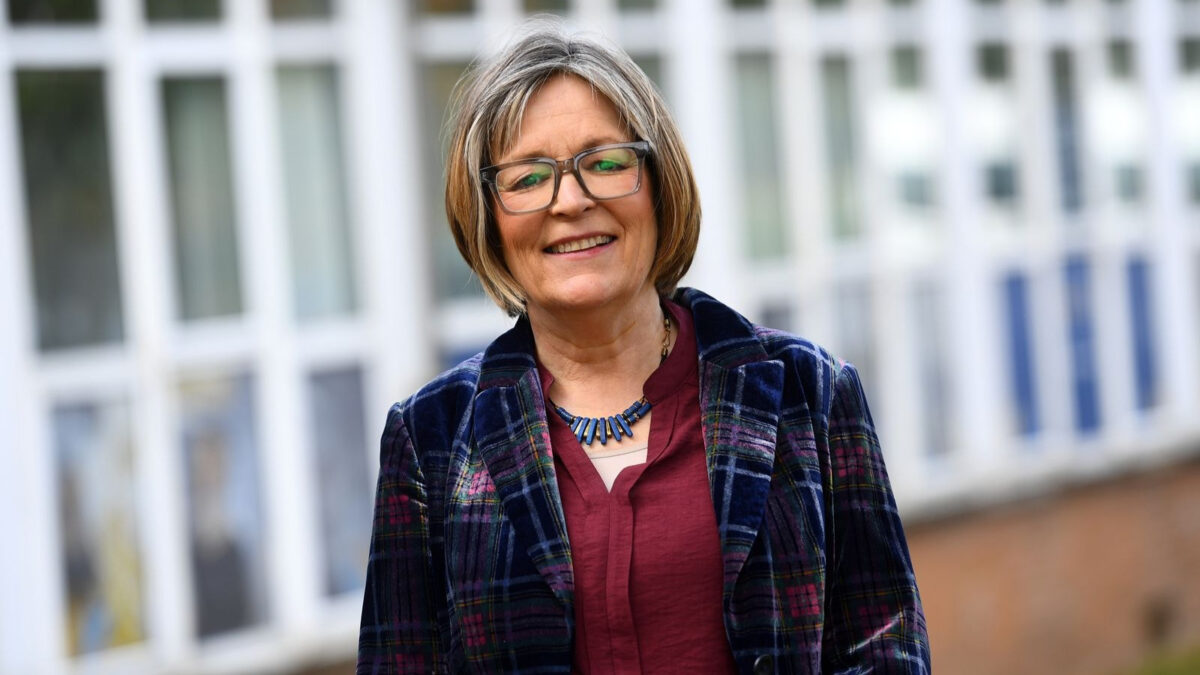
Announcing the new plan, Ms Brychan said: “As a new government we have made education a key priority and we are taking decisive action to raise standards in our schools and give young people the skills they need to succeed.
“We owe it to current and future generations to get literacy and numeracy right. The Foundational Literacy and Numeracy Plan is about setting clear expectations for action and giving teachers and schools the clarity they have asked for after a long programme of reform.
“Literacy and numeracy are central to everything we aspire to achieve. They are the building blocks on which learning, work and life in general are based.
“Today marks a key milestone in delivering on our ambition for an effective, confident and collaborative education system that works for all learners and empowers all partners to thrive.”
Support our Nation today
For the price of a cup of coffee a month you can help us create an independent, not-for-profit, national news service for the people of Wales, by the people of Wales.
Get more trusted Welsh news
Choose Nation.Cymru as a preferred source in Google News to see more of our journalism.



Clearer expectations around synthetic phonics. WTF does that mean?