


New measures announced to boost steel industry
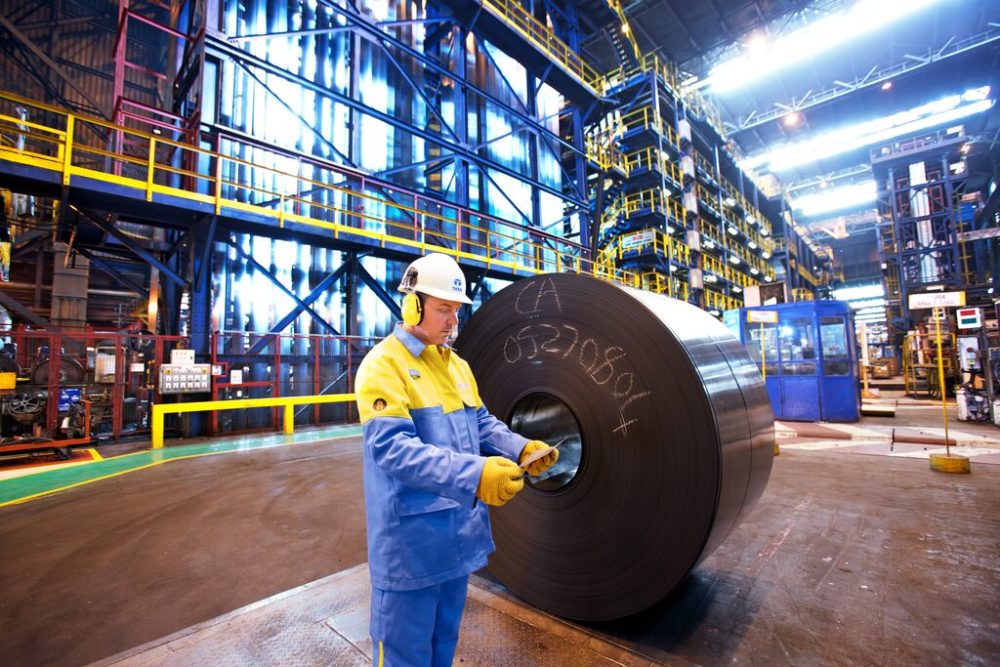
The UK Government has announced a new package of trade measures and investment aimed at supporting the steel industry, with Welsh producers expected to play a central role.
The plans include tighter controls on imports, a new domestic production target and further public investment, as ministers seek to strengthen the sector following recent upheaval at major sites including Port Talbot.
Under the proposals, the Government will aim for 50% of steel used in the UK to be produced domestically, up from around 30% at present.
Welsh steelmakers — including Tata Steel operations in Port Talbot, Llanelli and Shotton, and 7Steel in Cardiff — are expected to account for a significant share of that output.
New trade rules will also come into force from July 2026, reducing import quotas by 60% and applying a 50% tariff on steel brought into the UK above those limits. Ministers say the move is intended to protect domestic producers from global oversupply, though steel imports will continue where needed for sectors such as construction and manufacturing.
The announcement comes less than two years after the closure of Port Talbot’s blast furnaces, which ended traditional steelmaking at the site and led to thousands of job losses.
The UK Government has since committed £500 million towards a transition to electric arc furnace (EAF) production, alongside wider support funding for affected workers and businesses through the Port Talbot Transition Board.
Business Secretary Peter Kyle said domestic steel production remained “vital for national security, critical infrastructure and the wider economy”, adding that the strategy marked a shift away from decades of industrial decline.
First Minister Eluned Morgan, said: “Steel has a long and proud history here in Wales, where the industry is the lifeblood of many communities.
“The publication of the UK Government’s Steel Strategy is good news for our steel communities and the thousands of people across Wales who work in or around the industry, now and in the future.
“The commitment for 50% of steel used in the UK to be made here is important, not just for steelworkers but to Welsh economy as a whole. The Strategy also re-affirms the transition to Electric Arc Steel production in the UK, where Port Talbot is leading the way, not just in the UK, but across Europe. It was great to be able to meet the Tata management and unions again and to see the progress that has been made in building the new Electric Arc Steel plant .
“The Welsh Government has fought tirelessly for a good future for steel at Port Talbot, Llanwern, Shotton and tinplate at Trostre, Llanelli.”
Welsh Secretary Jo Stevens said the measures would help protect jobs and support the long-term future of steelmaking in Wales, where the industry continues to underpin local economies and supply chains.
National Wealth Fund
Alongside trade protections, the Government said it would use the National Wealth Fund to provide up to £2.5 billion of financing for the sector during this Parliament. A further £5.8 billion has been allocated to the fund to support priority industries including steel, advanced manufacturing and clean energy.
The strategy also confirms a wider shift towards lower-emission steelmaking, with electric arc furnaces — which use recycled scrap metal — expected to replace traditional blast furnaces across the UK as part of net zero targets.
Ministers said additional measures would include efforts to secure a stable domestic supply of scrap steel, encourage the use of UK-produced steel in major infrastructure projects, and support workforce development, skills and innovation across the sector.
Support our Nation today
For the price of a cup of coffee a month you can help us create an independent, not-for-profit, national news service for the people of Wales, by the people of Wales.


