


New monitoring programme to track polio and other viruses across Wales
Nation.Cymru Staff
A new virus monitoring programme is being launched across Wales, using wastewater to detect early signs of polio and other infectious diseases before outbreaks take hold.
The project from Bangor University Public Health Wales (PHW), commissioned by Welsh Government, gets underway amid a re-emerging threat of outbreaks from dangerous viruses, including polio, in countries across the world.
Recent detections in European cities, including London, have highlighted the importance of surveillance, while viruses that cause gastroenteritis, such as norovirus, and respiratory illnesses continue to affect communities and health services.
The work is part of a long-term partnership between Bangor University, Welsh Government, PHW, Verily Health – a precision health company – and utility companies Dŵr Cymru and Hafren Dyfrdwy to change how infectious diseases are tracked and contained.
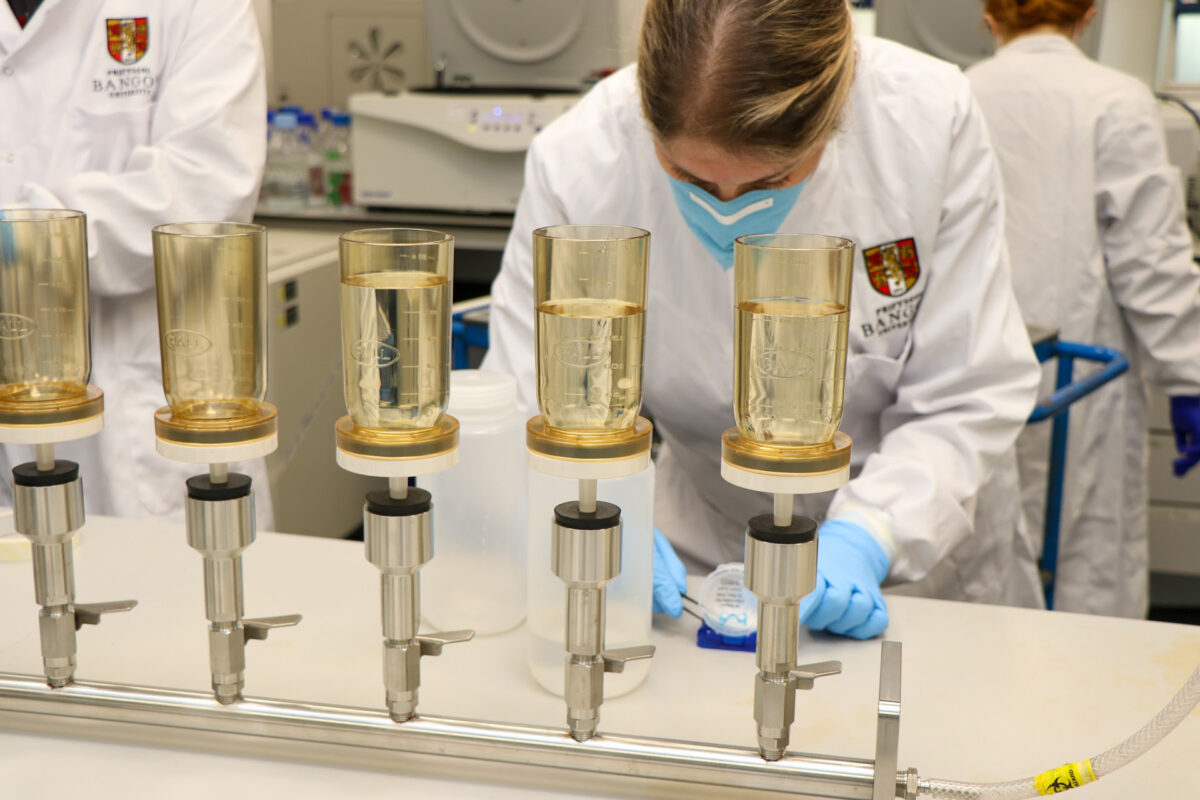
It involves setting up regular monitoring at 11 sites across Wales, and incorporating standards established by the World Health Organization (WHO).
The purpose is to develop the sustainable, integrated approach to monitoring poliovirus, alongside a range of other viruses in Wales’ wastewater, transforming raw data gathered at these sites into an “early-warning radar” for emerging viruses.
At the core of the initiative is the pathogen and community health monitoring research led by Professor Davey Jones, Professorial Chair in Environmental Science and Public Health at Bangor University.
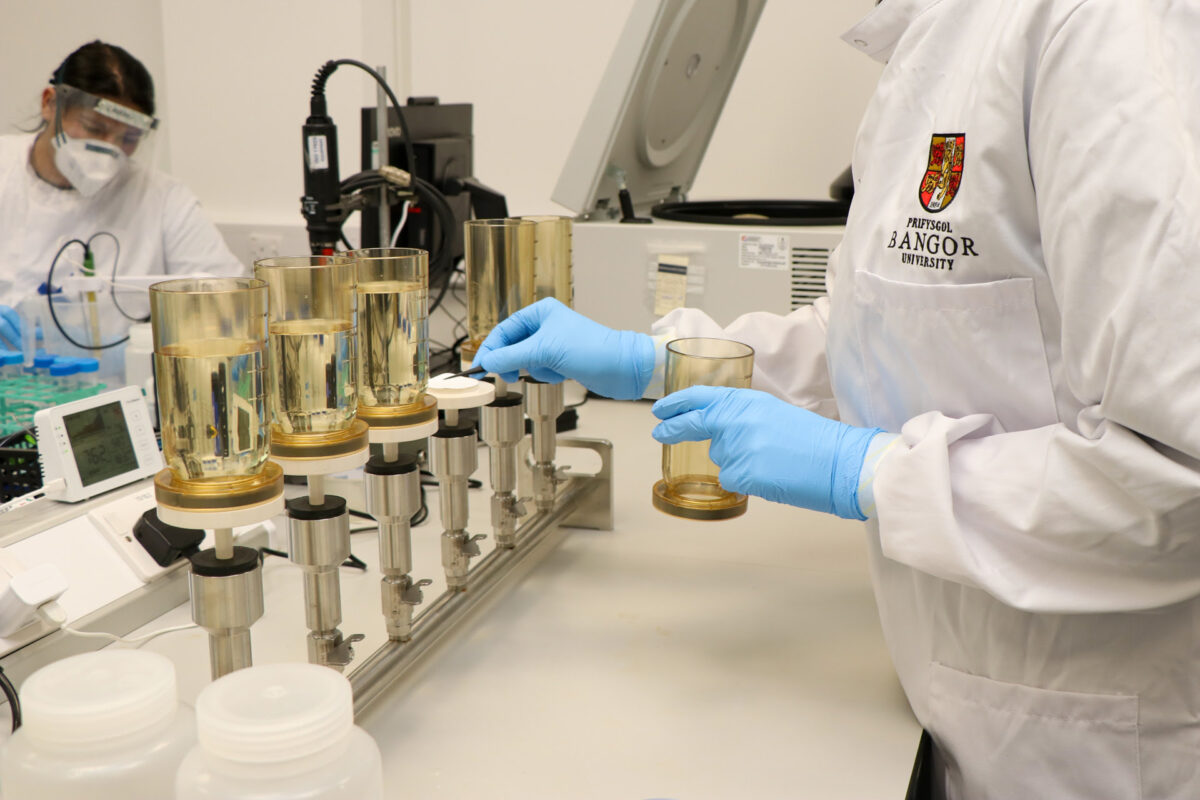
His team is pioneering the use of next-generation environmental surveillance technologies that enable the capture of broad genetic information directly from wastewater samples.
Sightline
In September 2024, Bangor University and Verily Health began working together to improve wastewater testing and virus monitoring in Wales, with the service also available to organisations across the UK and EU.
The partnership uses Verily’s Sightline technology to help Bangor University quickly analyse wastewater samples and turn the results into useful information for public health teams, helping them identify and respond to potential disease outbreaks.
“This effort is a prime example of how advanced wastewater monitoring can serve as a scalable way to protect entire communities,” said Stephen Gillett, CEO of Verily Health.
“We are proud to partner with Bangor University on this work and look forward to setting a new global standard for population health monitoring.”
Polio
The control of polio through vaccination is a global public health success, with a 99% reduction in wild-type polio cases since 1988, when the World Health Assembly adopted a resolution for the worldwide eradication of the virus.
However, polio is also a major current public health concern, and in 2022, poliovirus was detected in human-derived wastewater samples from sites in London.
In November 2024, there were further poliovirus detections in England, including from sites outside London.
The viruses are genetically linked to the virus circulating in several African countries, which has also recently been identified in wastewater samples from Spain, Poland, and Germany.
No detections of poliovirus have been made to date in Wales.
‘Critical’
Professor Davey Jones, Professorial Chair in Environmental Science and Public Health at Bangor University, said: “As infectious diseases make a concerning comeback globally, and with polio reaching the shores of Britain in recent years, proactive detection has never been more critical.
“So, what we’re doing with our partners is building the strong foundation needed for a modern, forward-looking health data infrastructure that will safeguard communities in Wales and beyond for years to come.
“This vital project builds on previous work we’ve been doing monitoring wastewater for potential viruses in Wales and will allow us to track a wider range of threats, including the viruses that cause gastroenteritis and respiratory disease.
“Traditional clinical testing is often reactive, identifying infections only after symptoms appear, which can entirely miss asymptomatic transmission.
“In contrast, wastewater monitoring captures a continuous, near-real-time snapshot of population-level health by matching environmental pathogen levels to active human outbreaks.
“By identifying the presence of a pathogen in the sewer system before clinical cases surge, public health officials can proactively mitigate risks and contain outbreaks before they spread.
“Surveillance, to be truly effective, needs to be ongoing and repeated, and this is particularly relevant for poliovirus, where assurance of absence is required in the long term.”
Dr Chris Williams, Head of the Communicable Disease Centre in Public Health Wales, added: “Recent findings of poliovirus in wastewater in parts of the UK have shown why it is important to keep monitoring for this serious disease, which can be prevented through vaccination.
“Wastewater monitoring is now an important part of the World Health Organisation’s work to eradicate polio, and Wales can now play its part in building a clearer picture across the UK.
“As this partnership develops, we will be able to monitor for other infections too, helping us better understand how diseases spread in Wales.”
Support our Nation today
For the price of a cup of coffee a month you can help us create an independent, not-for-profit, national news service for the people of Wales, by the people of Wales.
Get more trusted Welsh news
Choose Nation.Cymru as a preferred source in Google News to see more of our journalism.


