


New report links nearly 1,000 deaths to long emergency department waits in Welsh hospitals
Emily Price
Nearly 1,000 deaths were linked to long emergency department waits in Wales in 2025, new figures have revealed.
The Royal College of Emergency Medicine (RCEM) said the scale of deaths linked to long A&E waits should send “shockwaves through the entire political system in Wales”.
An estimated 965 deaths were associated with waits of 12 or more hours in emergency departments before admission into a hospital bed in Wales last year.
The new analysis also showed an increase of 29 deaths compared to 2024.
The findings were published today (24 March) in RCEM’s State of Emergency Medicine in Wales report.
The new report outlined the RCEM’s advice on how the long waits, high bed occupancy and deaths associated with A&Es waits could be curbed.
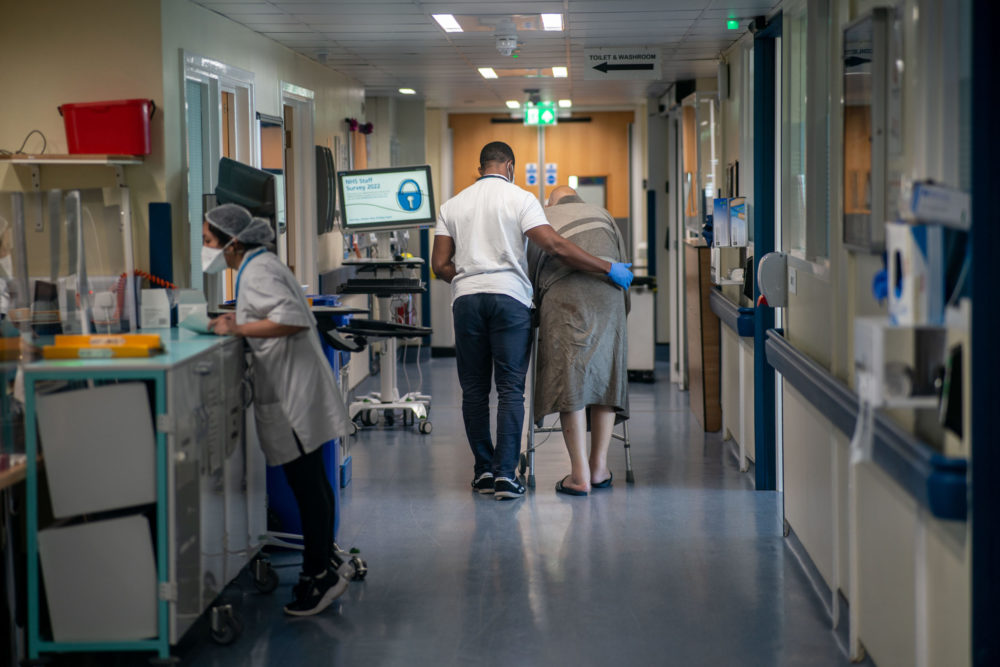
It called for the eradication of corridor care by ensuring no patients are cared for in non-designated treatment areas.
‘Avoidable’
The RCEM is now asking all political parties to commit to bringing the excess death figure associated with long waits in Welsh A&E’s to zero by the end of the decade.
Rob Perry, RCEM Vice President for Wales, said: “Any number of avoidable deaths in Emergency Departments is a tragedy – that there were almost a thousand last year should send shockwaves through the entire political system.
“My heart goes out to the loved ones of any person who died following long waitsin EDs.
“These may have been our most vulnerable patients – those who have been deemed sick or injured enough to require admission. They should be receiving the best care promptly.
“Instead, they are often the ones who end up waiting the longest. More than 900 of them may have paid the ultimate price last year for the breakdown in patient flow, and a lack of beds in hospitals.
“Our departments are full. This is in large part because of difficulties in discharging patients at the ‘back door’ of the hospital.
“Addressing this, instead of focusing on diverting people away from EDs, the ‘front door’ – is the best way to fix long waits.
“To all parties contesting the upcoming Senedd elections: we call on you to act without delay to end overcrowding in EDs. As our report today shows, this is a matter of life and death.
“The solutions are clear. Action on patient flow and hospital capacity could save the lives of upwards of 1,000 people each year – but this issue must be made a political priority.
“Failing to act will mean more deaths, and more heartbreak for families of individuals let down by a crumbling Urgent and Emergency Care system.”
‘Concerning’
Welsh Conservative Shadow Cabinet Secretary for Health and Social Care, Peter Fox described the report as “deeply concerning”.
He said: “My thoughts are with the families and loved ones of all of patients who have sadly lost their lives as a result of long waits in emergency departments.
“Every patient deserves timely care and no one should have to wait 12 hours or more to be admitted. This data underlines the urgent need for strong, effective action to get our health service back on track.
“The Welsh Conservatives have a clear and credible plan to declare a health emergency in order to restore performance, cut waiting times, end corridor care and deliver the timely care people across Wales deserve.”
A Welsh Government spokesperson highlighted that the figures quoted by the RCEM were estimates based on modelling in a single academic study transferred to Welsh data.
The spokesperson said: “Too many people are waiting too long in emergency departments. Long stays are distressing for patients and families and can be associated with poorer outcomes, particularly for older people or those who have complex clinical needs.
“We have been clear that health boards must improve flow, eliminate 12-hour stays and care in temporary spaces.
“We are working with the NHS, councils and NHS Performance and Improvement to reduce pressures by developing safe community alternatives and extra social care capacity.
“We continue to work to improve outcomes for people requiring emergency care.”
Corridor care
Last week during questions to the First Minister, Baroness Eluned Morgan was pressed on a shocking new S4C documentary that revealed the reality of corridor care in north Wales hospitals.
On average, patients spent almost 10 hours in non-clinical areas at Ysbyty Glan Clwyd last year, the longest of all hospitals in the region, while one patient at Ysbyty Gwynedd remained in a corridor for over five days.
Morgan admitted she hadn’t watched the TV programme but said that the Welsh Government’s position was that corridor care was “unacceptable”.
Support our Nation today
For the price of a cup of coffee a month you can help us create an independent, not-for-profit, national news service for the people of Wales, by the people of Wales.


