


New study to assess health risks from open water swimming in Wales
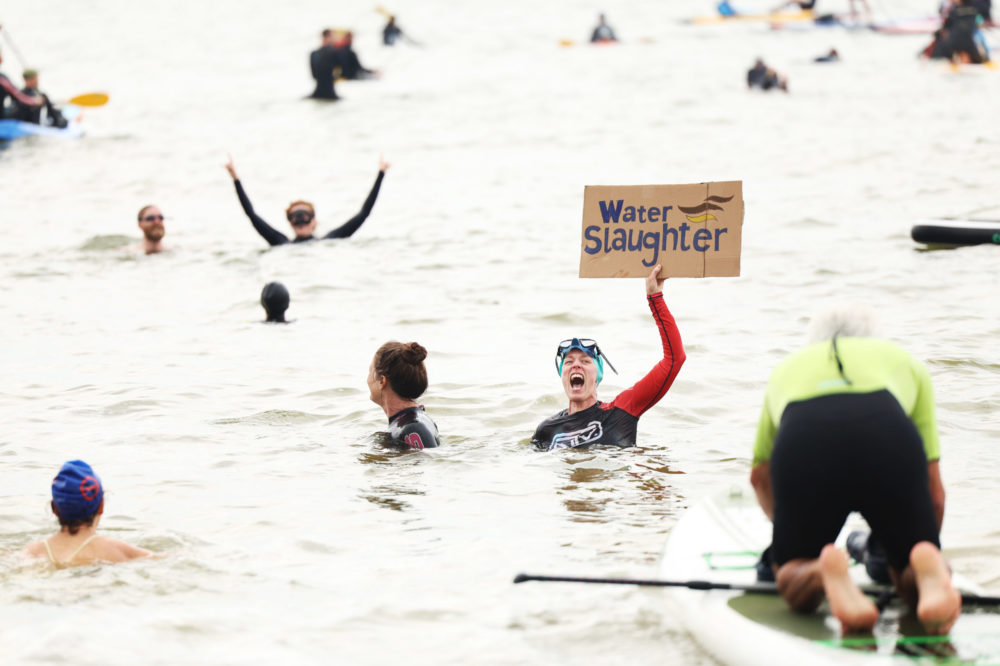
A major new study will examine the quality of open water used for swimming events across Wales, amid growing concerns about pollution and health risks.
Researchers from Bangor University and Imperial College London have joined forces with Welsh Triathlon and Swim Wales to launch the “Safer Blue Spaces Wales” project, which will run over the 2026 and 2027 summer seasons.
The study will monitor water quality at 10 locations across Wales, including lakes, reservoirs, docks and coastal sites regularly used for organised swimming and triathlon events.
At the centre of the project is the use of new wearable sampling devices, which swimmers will carry during training sessions and competitions. The devices are designed to capture the chemicals and pathogens athletes are exposed to in the water, rather than relying solely on samples taken at the shoreline.
Researchers say this approach could provide a more accurate picture of potential health risks.
Dr Jessica Kevill, a postdoctoral research officer at Bangor University, said the project aims to better understand what swimmers are exposed to and how this affects their health.
“This funding will enable us to understand which pathogens and chemicals swimmers in open waters are exposed to,” she said.
“The data will be used to predict risk and provide information on water quality, helping swimmers make informed decisions about when and where to enter the water.”
Current water quality regulations require testing for certain types of bacteria at designated bathing sites during the summer months, but do not routinely monitor viruses or a wide range of chemical pollutants.
The gap between official testing and real-world exposure has been highlighted in recent years. At a World Triathlon event in Sunderland in 2023, 88 athletes reported gastrointestinal illness. Subsequent analysis found norovirus in a majority of samples, despite it not being included in standard testing regimes.
As part of the Welsh study, samples collected by swimmers will be analysed for viral pathogens such as norovirus, as well as bacterial contamination and chemical substances including pharmaceuticals, pesticides and so-called “forever chemicals”.
Participants will also be asked to complete short health surveys before and after events, allowing researchers to link water exposure with any reported symptoms.
Microbiological analysis
Bangor University will lead on microbiological and virological analysis, while Imperial College London will focus on chemical testing.
The findings will be used to develop new methods of assessing health risks associated with open water swimming. Researchers say the data could help identify pollution hotspots and inform decisions by regulators, water companies and event organisers.
A separate app, currently in development, will provide summary results to athletes, coaches and organisers.
The project is being funded through the Welsh Sports Association’s Sustainability in Sport Fund, backed by Admiral.
Swim Wales chief executive Fergus Feeney said the work would help improve understanding of the conditions faced by swimmers, while Triathlon Cymru chief executive Catherine Roberts said it addressed an issue that “matters deeply to athletes across Wales”.
Support our Nation today
For the price of a cup of coffee a month you can help us create an independent, not-for-profit, national news service for the people of Wales, by the people of Wales.


