


NHS waiting lists in Wales drop for ninth month as emergency pressures grow
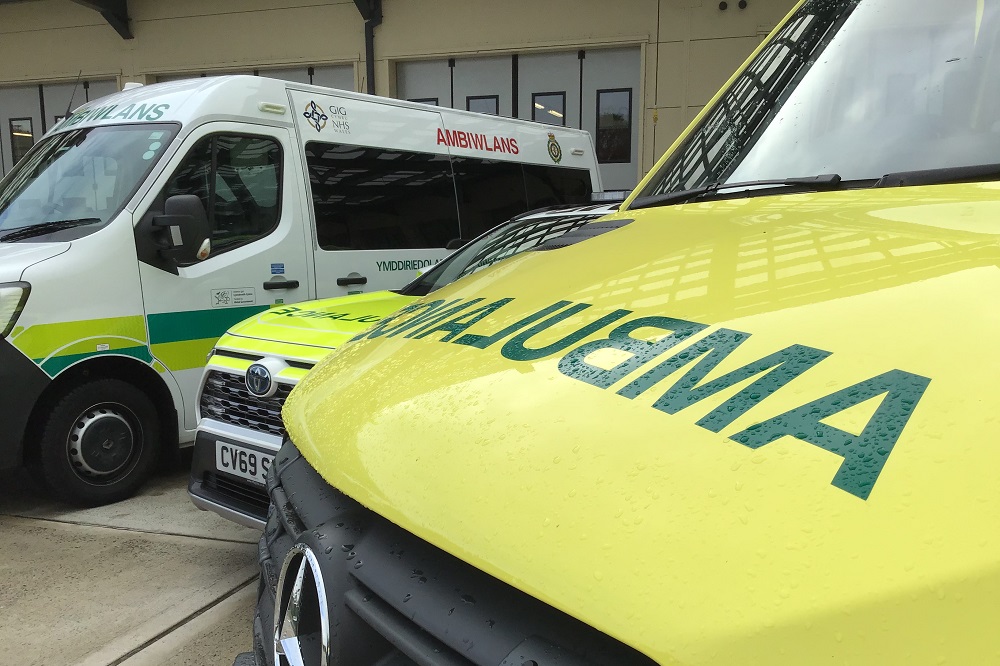
Emergency department pressures and ambulance response times worsened in parts of the Welsh NHS last month, despite continued progress in cutting treatment waiting lists, according to the latest official figures.
Data for March show more than 96,500 attendances at emergency departments across Wales, an average of 3,113 per day, up by around 190 daily compared with February.
While performance against the four-hour waiting time target improved slightly, longer delays increased, with 10,939 patients waiting more than 12 hours, higher than the previous month.
The average time spent in emergency departments also rose, reaching 2 hours and 52 minutes.
Ambulance performance showed a mixed picture. There were 909 of the most serious “purple” calls, covering cardiac and respiratory arrest, alongside 4,739 “red” emergency calls.
Median response times increased for both categories, with purple calls taking 7 minutes 37 seconds on average and red calls 9 minutes 25 seconds.
The Welsh Government target for both categories is between six and eight minutes. The purple target was met, but red calls remained outside the expected range.
However, survival outcomes improved. Of those in cardiac arrest where resuscitation was attempted, 22.5% had a return of spontaneous circulation by the time they reached hospital, an increase on the previous month.
Behind the pressure on emergency care, waiting lists for planned treatment continued to fall.
In February, there were just under 688,000 patient pathways waiting to start treatment, down by around 25,100 on the previous month and the ninth consecutive monthly reduction. This is the lowest total since December 2021.
The number of individual patients waiting is estimated at around 543,400, as some people are counted more than once if they are waiting for multiple treatments.
There were also improvements in the length of waits. The proportion of patients waiting less than 26 weeks rose to 63.6%, the highest level since May 2020. Long waits continued to decline, with just over 4,500 pathways waiting more than two years, down more than 93% from the peak.
The average waiting time fell to 16.7 weeks, the lowest since April 2020.
Provisional figures suggest further reductions in March.
Diagnostic waiting lists also fell, with just under 129,200 pathways outstanding and fewer than 38,500 waiting longer than the eight-week target. Therapy waiting lists increased slightly to just over 57,200, although the number waiting longer than 14 weeks declined.
Cancer performance, however, showed little improvement. In February, 1,875 people began treatment, fewer than the previous month, while performance against the 62-day target remained at 57%, well below the 75% goal.
Changes
The latest figures come against the backdrop of ongoing changes to how ambulance calls are categorised. Since July 2025, the most serious incidents have been split into “purple” and “red” categories, with further changes introduced in December to replace previous amber and green classifications.
Commenting on the data, Welsh Conservative health spokesman Peter Fox said the figures showed “missed targets, broken promises and patients paying the price”.
He added: “Cancer waiting times are worsening, fewer patients are starting treatment on time, and there is no sign of improvement. Meanwhile, A&E delays and ambulance red call waits are getting worse, a clear sign the system is under growing pressure.”
The Welsh Government has not issued a statement due to the latest round of statistics being published during the pre-election period.
Dr Rob Perry, Royal College of Emergency Medicine (RCEM) Vice President for Wales said: “The data out today is deeply concerning – yet more record setting across all areas of performance for four, eight and 12 hour waits.
“These numbers go some way in showcasing the pressure on our emergency departments despite ‘spring’ arriving.
“On a spreadsheet, this data is just that. Figures. Numbers. But in real life, these are people. Patients who are enduring long waits in our corridors, and other inappropriate spaces that were never designed to deliver care in, for a decision around their care to be made.
“And when that decision has been made, our patients are still enduring long waits until an elusive bed on a ward is found for them. That’s because our hospitals are so full, it takes time for a bed to become available for them.
“Last month, RCEM published a report looking into the state of emergency care in this country, which contains a raft of recommendations for whoever forms the next government to act on. That includes making a national commitment to end overcrowding in EDs.
“Our departments and the people working tirelessly in them to try and deliver the best possible care to our patients in these conditions, can only take so much. We can’t go on like this. It needs to be a political priority.”
Support our Nation today
For the price of a cup of coffee a month you can help us create an independent, not-for-profit, national news service for the people of Wales, by the people of Wales.
Get more trusted Welsh news
Choose Nation.Cymru as a preferred source in Google News to see more of our journalism.



Current waiting time in Glan Clwyd Bodelwyddan. 11 hours, 77 patients.
The Grange Hospital, Caerdydd 3:15 minutes 75 patients
Sunday 1pm
Two tier health service
Sorry the Grange is in Cwmbran