


No 10 denies dodging scrutiny after axing afternoon press briefings
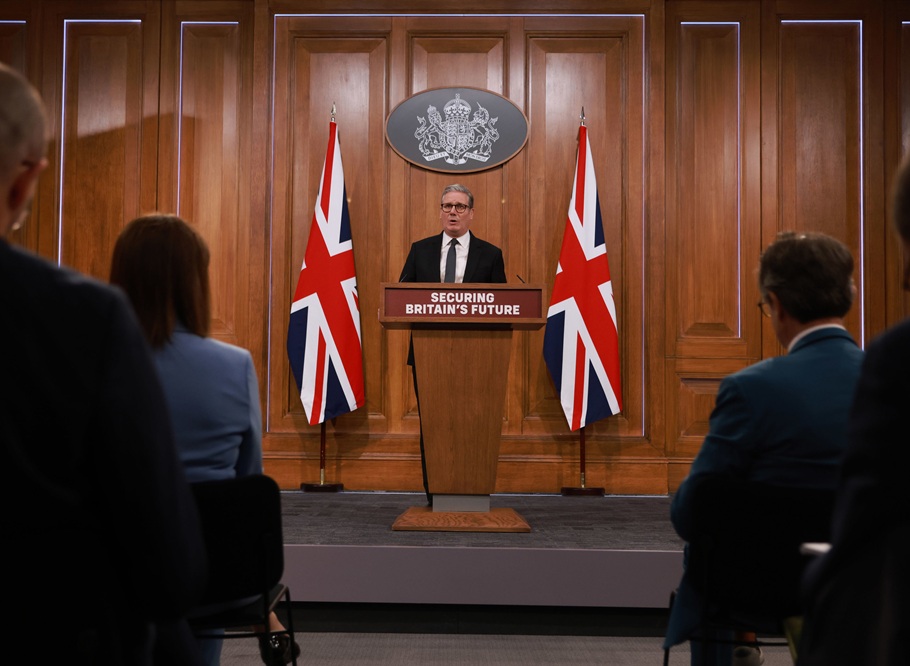
Downing Street has denied dodging scrutiny amid criticism of its decision to scrap traditional afternoon press briefings.
No 10 conceded the changes would be “difficult” and kept “under review” but insisted they were necessary to “modernise” Government communications with the public.
The traditional briefings allow the entire “lobby” – the group of journalists that cover Westminster – the opportunity to ask Downing Street as many questions as they want about any topic.
Under a shake-up announced last week, morning briefings will sometimes also be replaced by press conferences, during which the Government tends to control the number of questions and select who asks them.
“Content creators” will be invited to these events as well as journalists from national and regional outlets, No 10 has said.
The Society of Editors, which represents news organisations, has raised concerns the move risks weakening transparency while Tory leader Kemi Badenoch accused Sir Keir Starmer of “running scared”.
On Monday, the Prime Minister’s official spokesman was repeatedly asked why journalists had not been consulted about the decision before it was announced last week.
“Making changes to a system that’s been in place for decades will always be a difficult decision,” he said.
“We have confidence in the decision that it’s the right one to modernise a system that hasn’t been touched for some decades and to better communicate with the public where they are.”
He added: “Of course we will keep this under review, but as I say the media landscape has changed and we have to reasonably adjust our communication strategy to where people are increasingly finding their information.”
Theme
No 10 was asked whether a “theme” was emerging after warnings of a potential delay to some local elections and plans to limit jury trials to only the most serious offences, and whether the media shake-up was an example of “further running away from scrutiny.”
“No, I don’t accept that,” the spokesman said.
“I think you’re conflating a lot of very different issues.
“I think specifically on afternoon lobby changes, the reality is that the media landscape has changed immeasurably and this is about communicating in the right way with a changing media landscape, and reforming a system that has largely not been changed in a very long time.”
Last Friday, Tim Allan, Downing Street’s executive director of communications, said the current arrangements are “not fit for purpose” and change is needed to “better serve journalists” and “better inform the public”.
But Dawn Alford, chief executive of the Society of Editors, said the changes were “deeply concerning”.
“Regular, open and robust questioning of government is a cornerstone of democratic accountability. The afternoon lobby briefing has for many years provided journalists with a vital opportunity to challenge those in power and to seek clarity on fast-moving and often complex matters of public interest,” she said.
“It is deeply concerning that such a significant change has been announced without proper consultation with the journalists most affected. Transparency is not just about access in theory; it is about meaningful access in practice.
“Replacing routine, journalist-led questioning with government-controlled press conferences risks limiting who can ask questions, how long ministers are held to account, and which issues are addressed. Expanding attendance should not come at the expense of experienced political reporters being able to ask sustained, informed and challenging questions.”
‘Furious’
David Hughes and Lizzy Buchan, the outgoing and incoming chairs of the lobby, said: “We are greatly concerned by this step and furious that the lobby was not consulted about this move which restricts access and, we fear, scrutiny.”
They added: “None of this bodes well for transparency from a Government which came into office promising to raise standards.”
Mrs Badenoch said a future Conservative government would restore the afternoon briefings, saying: “Keir Starmer is running scared.
“This is a Labour Government that hates scrutiny and blames everyone else for its failings.”
A Liberal Democrat spokesman said: “The Government will not improve its ability to communicate with the public by drastically reducing transparency and the media’s daily access.
“Updating how it communicates to better reach people is vital, but that can’t be done at the expense of scrutiny and accountability.”
Support our Nation today
For the price of a cup of coffee a month you can help us create an independent, not-for-profit, national news service for the people of Wales, by the people of Wales.



Playing fast and loose with Britain’s future…
Clark brings Twmptown tricks to No 10…
Lawyer in Chief and his Deputy are going to stitch this country up…
He has only just got off the phone with Twmp, these people ‘world leaders’ should be monitored 24/7 because God knows, they are ‘as bent as a nine bob note’…morally skint!
Not sure why a briefing has to be held every day… once a week or better yet once a month would seriously cut down the churn
Lobby press get loads of questions, way more than TV. Events move fast.
stick it on TV and you limit scrutiny by miles.
A reminder if one was needed that Westminster is just a private members club pretending to be a democracy.
..an extension of Trumpism is coming to Downing Street. ie: it’s always someone else’s fault! Surprised Starmer doesn’t mention “fake news,”or “Alternative facts”!!!