


North Wales police commissioner joins opposition to regional ‘mega-forces’
Nation.Cymru staff
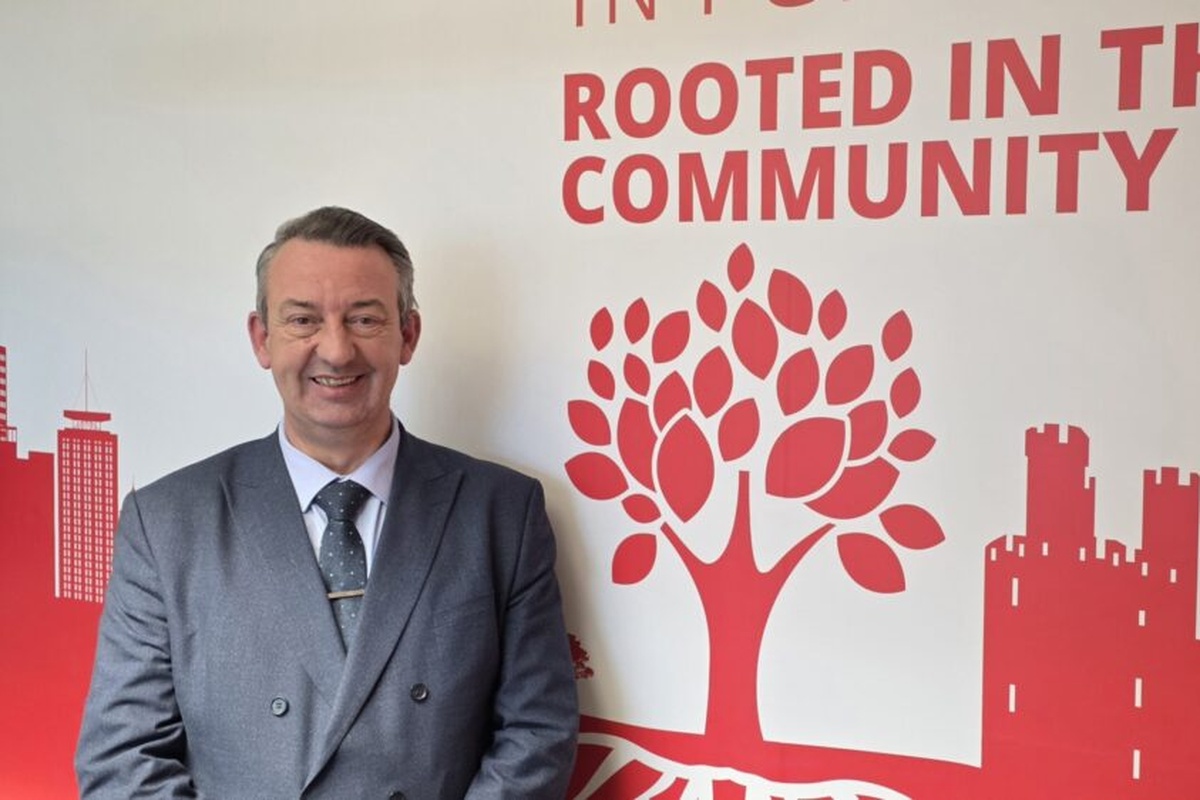
North Wales Police and Crime Commissioner Andy Dunbobbin has joined counterparts in four English force areas to oppose proposals for regional police “mega-forces”, warning that mergers could divert money from frontline policing.
In a joint statement, the commissioners for North Wales, Cheshire, Cumbria, Lancashire and Merseyside said large-scale restructuring would be costly and disruptive, potentially weakening the relationship between police and local communities.
Their intervention comes after Metropolitan Police Commissioner Sir Mark Rowley called for the 43 forces in England and Wales to be replaced by eight to ten larger regional organisations.
The commissioners said they supported reforms to improve technology and tackle modern crime, but did not believe reducing the number of forces was the answer.
“We are deeply concerned that large-scale force mergers would be costly, complex and disruptive, diverting leadership, resources and attention away from frontline policing for years,” they said.
“At a time when forces are being asked to do more with less, spending potentially hundreds of millions of pounds on restructuring policing is the wrong priority.
“Every pound spent on reorganisation is a pound not spent keeping people safe.”
They argued that existing collaboration already enabled forces to tackle regional and national threats while retaining local knowledge and accountability.
“Communities across Cheshire, Cumbria, Lancashire, Merseyside and North Wales face different challenges and deserve policing that is responsive to their local needs,” the statement said.
“What policing needs now is investment in officers, staff, technology and victim services, not years of structural upheaval.”
Case for mergers
Sir Mark has argued that maintaining 43 separate organisations wastes resources that could instead strengthen neighbourhood policing and specialist teams tackling organised crime.
Speaking to the Press Association, he rejected suggestions that mergers would lead to cuts in local provision, describing his proposals as the “opposite of Beeching” — a reference to the closure of railway lines in the 1960s.
“The building block for the work we want to do is bottom up. It’s about strong local policing. Everything stands behind that,” he said.
“At the moment, it’s not as strong as it needs to be.
“The reason is, crime gets more complicated, so you need more specialist skills to deal with it.”
Greater Manchester Police Chief Constable Sir Stephen Watson also backed reform, arguing that combining headquarters and back-office functions could release money for local services.
“We have got to use the money better than we do today,” he said.
He pointed to the duplication of senior management, procurement and IT functions across England and Wales, arguing that the existing structure was unsustainable.
Government review
The UK Government launched a review in January to examine reducing the number of forces. Led by former Metropolitan Police Commissioner Lord Bernard Hogan-Howe, it will make recommendations on restructuring.
Questions remain about how mergers would affect accountability and the policing element of council tax bills, which varies between force areas.
The five commissioners said the Government was already proposing significant changes, including a National Police Service and stronger national capabilities against serious and organised crime.
They urged ministers to prioritise neighbourhood policing rather than force mergers.
“Policing is strongest when it remains close to the communities it serves,” they said. “Reform should strengthen that connection, not weaken it.”
Support our Nation today
For the price of a cup of coffee a month you can help us create an independent, not-for-profit, national news service for the people of Wales, by the people of Wales.
Get more trusted Welsh news
Choose Nation.Cymru as a preferred source in Google News to see more of our journalism.



For Cymru/Wales see ENGLAND.
Heddlu Cymru NAWR/RWAN fel Police Scotland a Garda Siochana. No cross border tampering.