


NRW investigates widespread misuse of waste dumping loophole
Martin Shipton
Natural Resources Wales has confirmed that it is investigating evidence of widespread illegality involving the misuse of waste dumping exemptions.
In Wales, a U1 waste exemption operates under the regulatory framework of Natural Resources Wales (NRW), allowing the use of certain waste materials in construction activities without the need for a full environmental permit, provided strict criteria are met.
The basis of the exemption is to enable low risk waste recovery operations that deliver a clear environmental benefit, primarily by substituting virgin materials with suitable recycled waste. It reflects Welsh Government and NRW policy objectives, ensuring that waste is reused where appropriate.
Exemptions typically allow the use of waste up to a maximum of 5000 tonnes per activity, with lower limits applying to certain waste types, reinforcing that the exemption is intended for relatively small defined construction uses rather than large scale operations.
In practical terms, U1 exemptions in Wales are widely used within the construction, civil engineering and land development sectors for activities such as forming hard-standings and landscaping features using materials like crushed concrete, soils and aggregates. NRW expects these activities to demonstrate a genuine recovery purpose, meaning the waste must be fit for use, limited in quantity and necessary for the construction outcome being delivered.
An industry source contacted Nation.Cymru with detailed allegations which we passed on to NRW last week.
The source told us: “I am contacting you anonymously to raise serious concerns regarding large scale misuse and outright illegal activities conducted under the guise of U1 exemptions for tipping waste activities, which are being completed knowingly or otherwise, by some of Wales’ biggest construction and development companies, social housing schemes and even government-funded projects.
“It is apparent that certain waste companies are demonstrating compliance by showing these construction companies a U1 exemption to tip, but no additional supporting evidence to show how they or their sites are complying with the exemptions.
“For instance, the waste carrier is providing a copy of their U1 exemption, which is normally valid for 1000 to 5000 tonnes of material to a contractor. The contractor is misled to believe that this capacity is exclusively for their site, when in reality the exemption could be, and usually is, accessed by multiple other sites, all of whom are under the impression that they have exclusive use.
“The result is that a U1 exempt site can take 10 times the volume of waste that it is supposed to, and nobody is checking. This highlights a fundamental weakness in the exemption system, whereby there is no effective mechanism to track cumulative tonnages across multiple waste streams or users, allowing significant exceedances to occur without detection. Furthermore, it is highly unlikely that the volumes of waste being deposited at these sites are being accurately recorded or reported.
“The absence of proper documentation and tracking will inevitably have a wider impact on the Welsh Government’s waste data, including recycling rates and national performance targets. This undermines the integrity of official figures and masks the true scale of waste mismanagement.”
The source cited one example of a waste company engaged by a development company to remove waste. The waste was transported and tipped onto nearby farmland. This activity was reportedly being carried out under a U1 exemption.
Due diligence
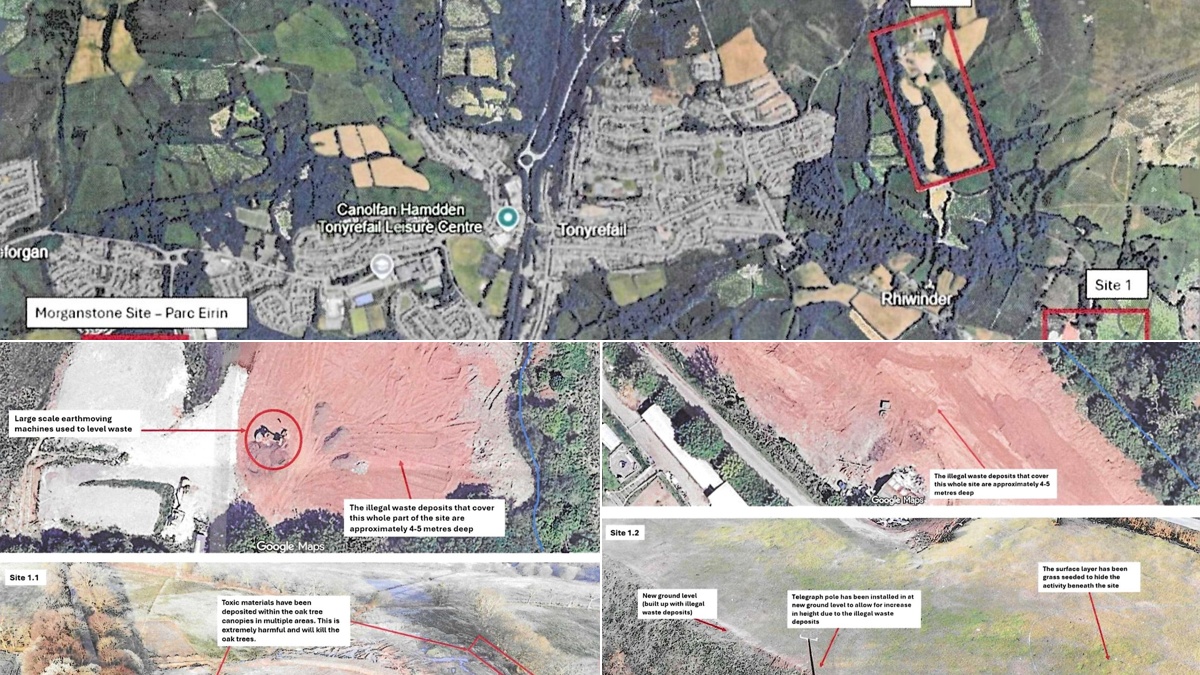
However, the scale and nature of the operation suggests this exemption is being systematically abused, raising additional concerns regarding the level of due diligence being exercised by the main client to ensure that waste arising from their sites is properly disposed of. According to the source, the manner in which the material is being deposited is already causing visible and potentially long term environmental harm at two locations.
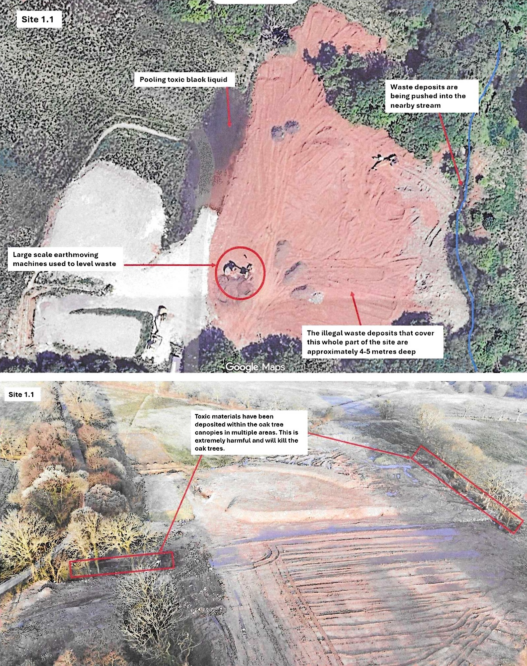
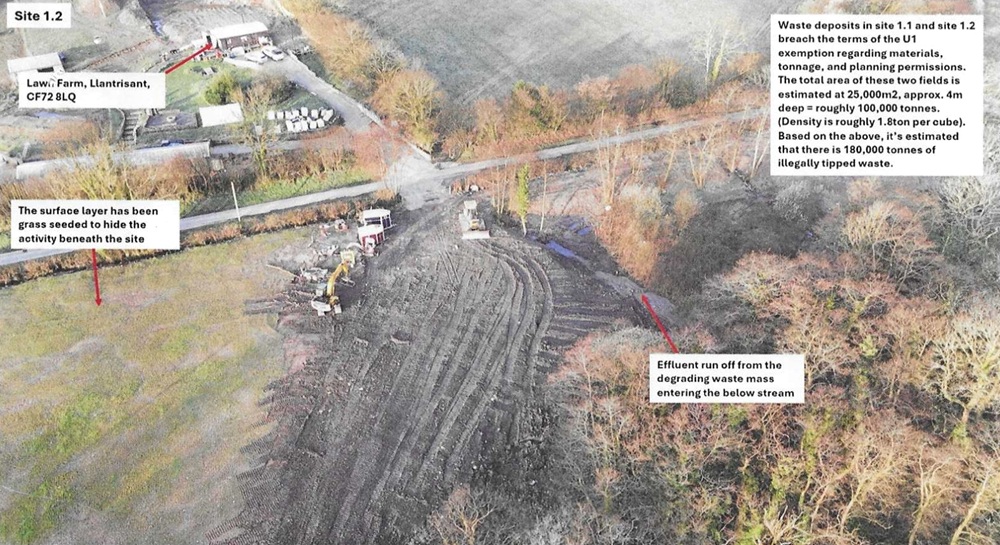
The source told us: “The total volume of waste deposited is estimated to be in the region of 180,000 tonnes, representing a multiple of over 30 times the maximum volume typically permitted under a U1 exemption. Ground levels have been raised by approximately four to five metres and waste is being redistributed throughout the sites using heavy earth moving equipment. There is no evidence of the necessary planning permission being in place, which is a fundamental requirement for the lawful operation of a UN exemption.
“This presents a significant risk, particularly given the apparent lack of coordination between the regulator and local planning authorities, to verify that such permissions are in place prior to, or in line with, exemptions being issued.
“There is also clear evidence of waste being pushed into nearby streams and watercourses, creating a clear and immediate risk of pollution to controlled waters. In addition, pooling liquids and potential leachate are visible across the site with no apparent containment or environmental management systems in place. These activities are deliberately concealed in places, with deposited material being levelled and seeded to disguise the extent of the works.
“There is no visible indication of proper testing of the waste materials nor evidence of effective regulatory oversight. This raises serious concerns about environmental harm, including risks to soil quality, groundwater and the wider ecosystem, as well as questions around regulatory enforcement and contractor due diligence.
“Although the surface material may in some cases appear consistent with exemption criteria such as clean soils, there is strong indication that underlying materials do not fall within the scope of the exemptions. It is understood that contaminated soils, waste from unregulated shipyards and materials originating from other operators and unpermitted sites are also being deposited at these locations.
“This activity is driven primarily by financial gain, as disposal at such sites is significantly cheaper than at properly permitted facilities. As a result of the scale of these activities, this practice is distorting the wider waste market and supply chain, with impacts now reaching legitimate waste operators and construction companies.
“The scale of these operations means this issue can no longer be ignored. The absence of any visible testing, verification or classification of the waste materials raises serious concerns. There is no evidence of soil testing regimes, waste acceptance procedures or compliance checks being carried out. Despite the scale of the operation, this significantly increases the risk that unsuitable or hazardous materials are being deposited unlawfully.”
A spokesperson for Natural Resources Wales said: “Tackling waste crime is a priority for us and we take allegations of the misuse of waste exemptions very seriously, due to the potential impacts on communities and the environment.
“Some lower risk waste recovery activities can operate under registered exemptions, such as U1, but these are tightly defined to ensure waste is appropriately managed. Where activity causes pollution, exceeds the limits of an exemption or fails to demonstrate waste recovery, we will intervene and take appropriate regulatory action, including enforcement where required.
“The sites referenced in the letter are currently under investigation by our waste regulation team. To ensure the integrity and fairness of this process, we are unable to comment further while the investigation is ongoing.
“We are aware that the waste exemption system can be abused, and we are increasing our efforts to strengthen regulation of exemptions through our Tackling Waste Crime programme. We also support proposed reforms to the waste exemption system being led by the UK Government, which are intended to strengthen controls and limit opportunities for misuse.
“Alongside our regulatory role, under the Waste Duty of Care, anyone who produces, imports, transports or arranges the disposal of waste has a legal responsibility to ensure it is handled and disposed of lawfully. This includes carrying out appropriate checks on waste contractors and final disposal or recovery sites. Landowners also have a responsibility to ensure that waste activities taking place on their land are lawful and properly regulated.
“We urge anyone with concerns about illegal waste activity to report them to us online at naturalresources.wales/reportit or by calling our 24/7 incident line on 03000 65 3000, so we can assess the information promptly and take appropriate action.”
Support our Nation today
For the price of a cup of coffee a month you can help us create an independent, not-for-profit, national news service for the people of Wales, by the people of Wales.
Get more trusted Welsh news
Choose Nation.Cymru as a preferred source in Google News to see more of our journalism.



