


Ofgem provisionally green lights new energy storage projects amid grid pressures
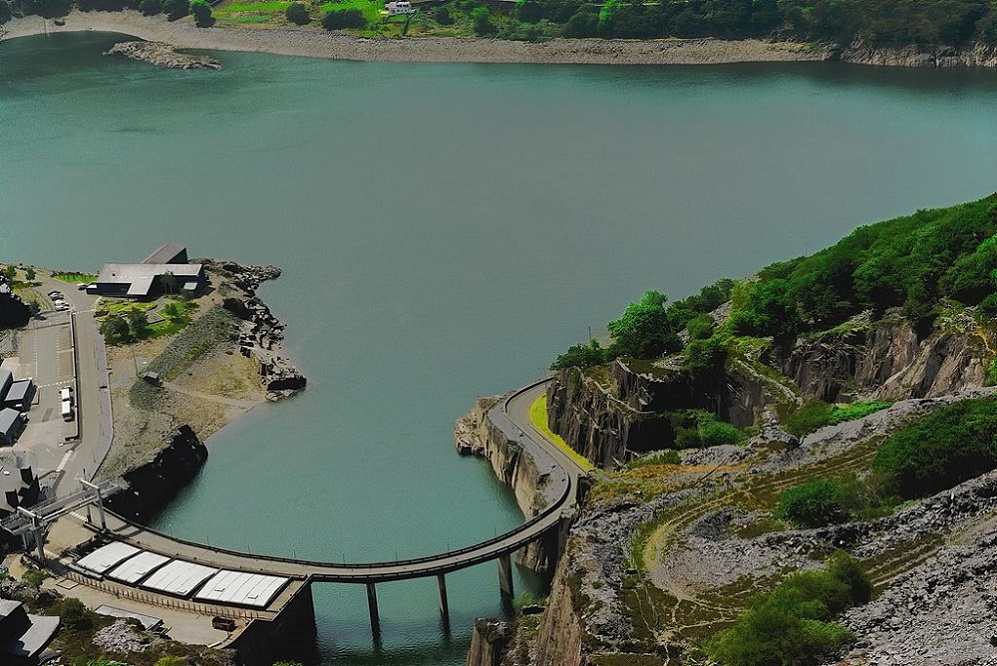
The energy regulator said it has given a provisional green light to a new generation of energy storage to reduce Britain’s reliance on imports amid complex pressures facing the transmission network.
Ofgem said 16 “long-duration energy storage” projects based in Wales, Scotland, and England have been named on its “Minded-to-Decision” list to receive support.
These selected projects are designed to store and release electricity for eight hours or more, helping to balance the supply and demand of electricity, especially with the growing use of renewable energy sources such as wind and solar, which can be unpredictable.
They cover four different technologies, the first of which is pumped storage hydro (PSH), where water is pumped from a lower reservoir to a higher reservoir during low-demand periods and then released back through turbines to generate electricity at high-demand periods.
The others include compressed air energy storage (CAES), which involves air being compressed, stored and then released when demand peaks as well as two different types battery technologies.
Ofgem said it will now gather stakeholder views on the proposed projects to ensure they deliver the best value for money for business and consumers.
Akshay Kaul, director general for infrastructure at Ofgem, said the regulator “is creating the right infrastructure for renewable energy to thrive and improve our energy security and reduce reliance on global gas markets”.
“It’s fantastic to see such a wide range of technologies coming forward,” he said.
“This takes us a step closer towards the long-duration energy storage we need in a clean power system to maintain secure supply during periods of cold, hot, still or cloudy weather when solar or wind power output may be low.”
Energy minister Michael Shanks said: “The lesson from the conflict in Iran is clear: Britain cannot afford to remain at the mercy of volatile fossil fuel markets and leave families exposed to the next price shock.
“That is why we are further and faster in delivering the clean power mission by rolling out a new generation of pumped hydro storage and state-of-the-art batteries – making more of the clean, homegrown power we already produce, cutting waste, lowering bills and strengthening our energy security.”
The announcement comes on the same day the Britain’s grid operator made an industry call out for more power generation amid expectations that supplies could be squeezed as the unprecedented heatwave continues.
Extreme heat puts pressure on the electricity system by making processes less efficient and creating operating restrictions, including nuclear power plants, gas stations and water cooling systems.
It also means people are using more electricity for fans and air conditioning to keep cool.
The National Energy System Operator (Neso) issued a so-called electricity margin notice for between 7pm and 10pm, asking for 700 megawatts (MW) of power generation as a buffer to cover an expected shortfall in electricity margins.
It marked the second time this week that Neso issued a call for more power, having done the same before Wednesday, though it cancelled that warning after growing confidence in power supply levels for the evening.
A spokesman for Neso said Friday’s notices is down to the impact of extremely high temperatures, but also stressed that the notice is a “routine tool” and “does not mean electricity supply is at risk”.
On Tuesday, the UK was exporting electricity to Europe during the day amid high solar power levels, according to analysis by Kraken, an AI grid platform spun out of Octopus Energy.
But this flipped to the country importing 10% of its electricity demand from the continent in the evening.
This was because of a combination of TVs playing the World Cup football matches, solar power waning as the sun went down and several gas plants going offline, likely because of heat-related restrictions.
Neso also paid about £11 million on Tuesday to make sure the amount of gas going into the grid met the amount being withdrawn by consumers, the analysis showed.
However, batteries on the Kraken platform contracted for balancing services was also found to have supported supply during the evening peak.
Charlotte Johnson, general manager of Generation Flex at Kraken, said: “This is a preview of the operational challenges the UK will face more often in a warmer, more renewables-heavy system – and a clear demonstration of batteries’ growing role in managing demand and keeping the grid stable.”
Support our Nation today
For the price of a cup of coffee a month you can help us create an independent, not-for-profit, national news service for the people of Wales, by the people of Wales.
Get more trusted Welsh news
Choose Nation.Cymru as a preferred source in Google News to see more of our journalism.



