


Oil prices surge as hopes fade for swift end to Iran conflict
Oil prices have risen again to remain firmly at levels not seen since 2022 amid waning hopes of a quick resolution to the Iran war as the conflict entered its fifth week.
The cost of Brent crude lifted more than 3% to 117 US dollars a barrel at one stage in Monday morning trading amid continued attacks by the US and Israel on Iran, and with the Iranian-backed Houthi rebels entering the war on Saturday with its first missile attack.
London’s FTSE 100 Index opened the week on a firmer footing, edging 0.2% higher, up just over 22 points at 9989.56.
Matt Britzman, senior equity analyst at Hargreaves Lansdown, said: “Doubts over a quick resolution have grown after Iran backed Houthi militants stepped up attacks in the region, and the US moved additional troops closer to the conflict.
“With the Houthis threatening Red Sea shipping lanes and key energy infrastructure, and rumours that Washington is preparing for ground operations, traders are bracing for more supply risk and further price volatility.”
Iran’s attacks on energy infrastructure in neighbouring Middle East countries and its blockage of the Strait of Hormuz, through which a fifth of the world’s oil is shipped, has sent oil prices soaring and sparked fears over a global energy crisis.
Prime Minister Sir Keir Starmer is meeting with leaders from the energy, shipping and financial services sectors in Downing Street on Monday to look at the potential economic damage and inflation pressures caused by the conflict.
Chancellor Rachel Reeves is also expected to join a virtual meeting on Monday of G7 finance and energy ministers and central bank governors along with Energy Secretary Ed Miliband.
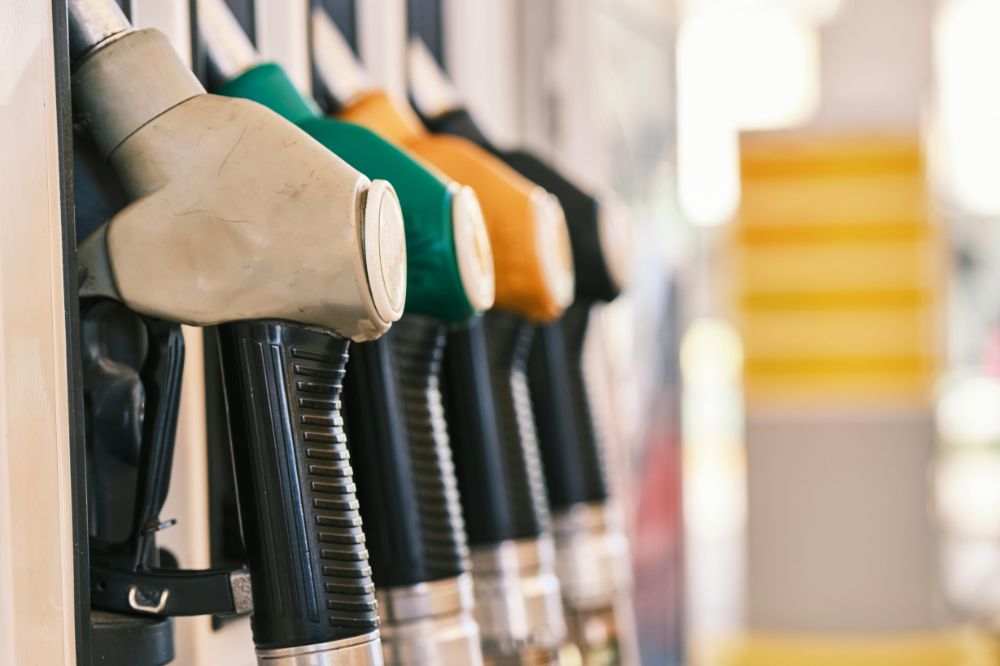
One of the immediate cost impacts of the war in Britain has been the rising cost of fuel at the pumps, with petrol jumping above 150p a litre last week for the first time in almost two years.
Richard Hunter, head of markets at Interactive Investor, said US assurances over a swift end to the war are failing to halt oil price rises, with crude costs now 58% higher since the conflict started.
He said: “White House rhetoric is now falling on deaf ears, and only signs of concrete actions are likely to arrest the slide across most asset classes.
“As the war lingers, so the cost and time of reversing the damage will increase, likely meaning that the oil price could remain elevated for a longer period of time, increasingly inflationary pressure globally.”
Support our Nation today
For the price of a cup of coffee a month you can help us create an independent, not-for-profit, national news service for the people of Wales, by the people of Wales.



Blame Trump, Netanyahu and Hegseth, also blame them for the war crimes.
Worst is baked in and has not hit us yet.
The Today programme were following their usual line this morning, allowing an Arab League spokesman to claim unchallenged that the war was caused by Iranian attacks on the neighbouring states – no mention of the initial US/Israeli assault.