


Older people’s abuse ‘not seen’ by public services – new research
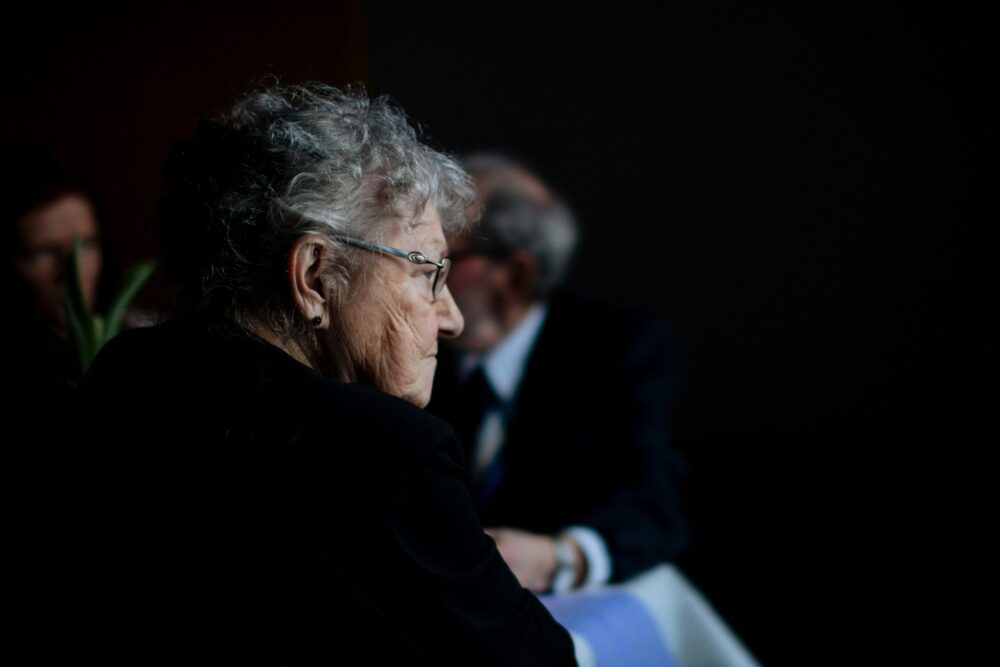
Abuse experienced by older people is often “visible but not seen” by public services, with opportunities to seek help frequently missed, according to new research from Aberystwyth University.
The study, led by the University’s Centre for Age, Gender and Social Justice, draws on in-depth interviews with people aged 60 and over who have experienced abuse from intimate partners or adult family members. Researchers found that older adults remain underrepresented in domestic abuse policy, research and frontline service provision.
The report concludes that failures across systems mean that opportunities for older people to access support are “rare, fragmented and often missed entirely”.
Academics identified a combination of age-related assumptions, services not designed with later life in mind, unclear referral pathways and awareness campaigns focused largely on younger people as key factors contributing to the problem.
The research also highlights personal barriers faced by older victim-survivors. These include generational attitudes around privacy and self-sufficiency, fears of not being believed, and concerns about burdening family members.
At the heart of the study is the importance of creating “safe spaces” — not only physical environments, but relational and professional spaces in which older people feel protected, listened to and believed.
Elize Freeman, Co-Lead of Dewis Choice at Aberystwyth University, said older victim-survivors had been “overlooked for far too long”.
“Our research with older people who have experienced abuse shows that age-appropriate support can significantly improve safety and wellbeing, but only where responses are designed with later life in mind,” she said.
“This requires targeted action at every level – from national policy to frontline practice.”
She pointed to the Welsh Government’s Violence Against Women, Domestic Abuse and Sexual Violence Blueprint as an important step forward, but stressed that responsibility must extend beyond specialist services.
“Awareness, professional curiosity and clear referral pathways should be embedded across all the services older people engage with every day, including health and social care, housing and community provision,” she said.
Proactive engagement
The study emphasises the need for proactive engagement rather than reliance on self-referral. Participants called for a single trusted point of contact to reduce confusion and prevent the need for repeated disclosures. Such a role could also provide practical assistance with housing, finances and daily living alongside emotional support.
Older people interviewed for the research stressed the importance of being listened to at their own pace, with approaches that recognise the long-term impact of abuse. Opportunities for community connection and advocacy were also seen as vital in reducing isolation and rebuilding confidence.
Freeman said structural failures in service design and practice — compounded by individual fears and generational norms — were key reasons older adults remain invisible within domestic abuse responses.
“Without proactive engagement and safe, relational spaces created by professional curiosity, many older victim-survivors will continue to suffer in silence,” she said.
The report, Understanding the Experiences of Older Victim-Survivors: A Thematic Analysis, was produced by the Dewis Choice Initiative at Aberystwyth University’s Department of Law and Criminology in collaboration with the Welsh Government’s Older People’s Blueprint workstream.
Support our Nation today
For the price of a cup of coffee a month you can help us create an independent, not-for-profit, national news service for the people of Wales, by the people of Wales.


