


Opioids biggest cause of drugs deaths in Wales
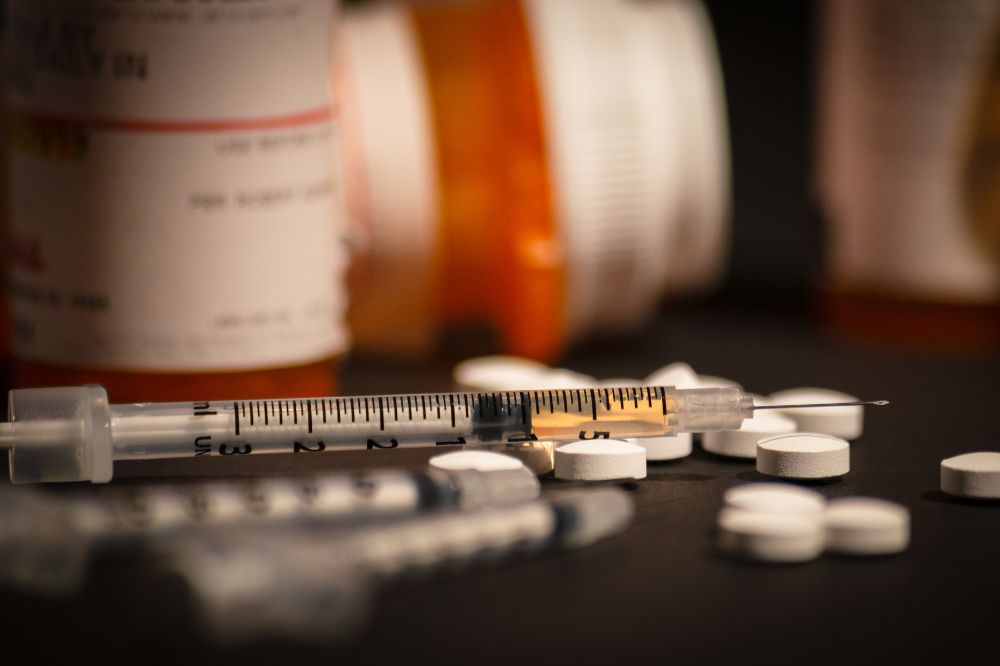
New figures have revealed that opioids continue to drive the majority of drug misuse deaths in Wales, prompting renewed warnings about the significant harms associated with these substances.
In 2024, 417 drug poisoning deaths were registered in Wales, a rise from 377 from the previous year.
Of these, 288 were drug misuse deaths — the highest number ever recorded. Most deaths (84 per cent) were caused by accidental poisoning.
Opioids remain the most common substances involved, recorded in 200 deaths (69 per cent).
More than half of these deaths involved heroin or morphine and more than a quarter of drug misuse deaths involved cocaine, an increase on the previous year.
Pregabalin, bromazolam, methadone, and diazepam were also frequently reported. Polysubstance use is also increasing with 62 per cent of drug misuse deaths involving more than one substance, most commonly opioids combined with cocaine or benzodiazepines.
Over the past decade, people living in the most deprived areas of Wales were more than five times more likely to die from drug misuse than those in the least deprived areas.
These rates also vary across Wales, with local authority figures ranging from 2.8 to 21.2 deaths per 100,000 population.
Men were almost three times more likely to die from drug misuse than women in 2024.
Older adults were the most affected age group, with people aged over 50 making up 34 per cent of all drug deaths.
There were 17 deaths among people under 25, an increase compared with the previous year.
The All-Wales Take-home Naloxone (THN) programme continues to play a key role in preventing fatal overdoses.
Since 2013, THN has been used during 4,199 opioid poisoning events, with a fatal outcome in only 1.3 per cent of those cases.
In 2024, it was used in 307 incidents, again with the same low fatality rate. More people are now accessing THN, with 2,476 new individuals receiving kits last year.
Public Health Wales says reducing drug deaths means tackling the inequalities that shape people’s lives, including access to safe housing, fair work and supportive communities.
Professor Rick Lines, Head of the Substance Misuse Programme at Public Health Wales, said: “These figures show the continued harm opioids are causing across Wales, often alongside substances such as cocaine and benzodiazepines.
“The rise in cocaine involvement reflects what local services have been reporting for some time.
“The data also highlights the importance of Take-home Naloxone as part of our national response. It is safe, effective, and it saves lives. We encourage anyone at risk, and those around them, to access free training and kits.
“Drug-related deaths remain far more common in our most deprived communities. This shows the need for wider action on housing, poverty and health inequalities alongside the work of specialist drug services.”
For more information on the Wales Drug and Alcohol Helpline, please visit the DAN 24/7 website atdan247.org.uk
Support our Nation today
For the price of a cup of coffee a month you can help us create an independent, not-for-profit, national news service for the people of Wales, by the people of Wales.



Alcohol is a drug.
In recent years, alcohol-related deaths in Wales have been around 683 (2023), with alcohol-specific deaths (directly caused by alcohol) reaching a record 562 in 2023, showing a significant upward trend from previous years. While older figures suggest around 1,500 total alcohol-related deaths, the most up-to-date data from Public Health Wales and ONS points to higher figures, with liver disease being a primary cause, and males disproportionately affected.