


Packaging tax will push up prices for consumers, say industry bosses
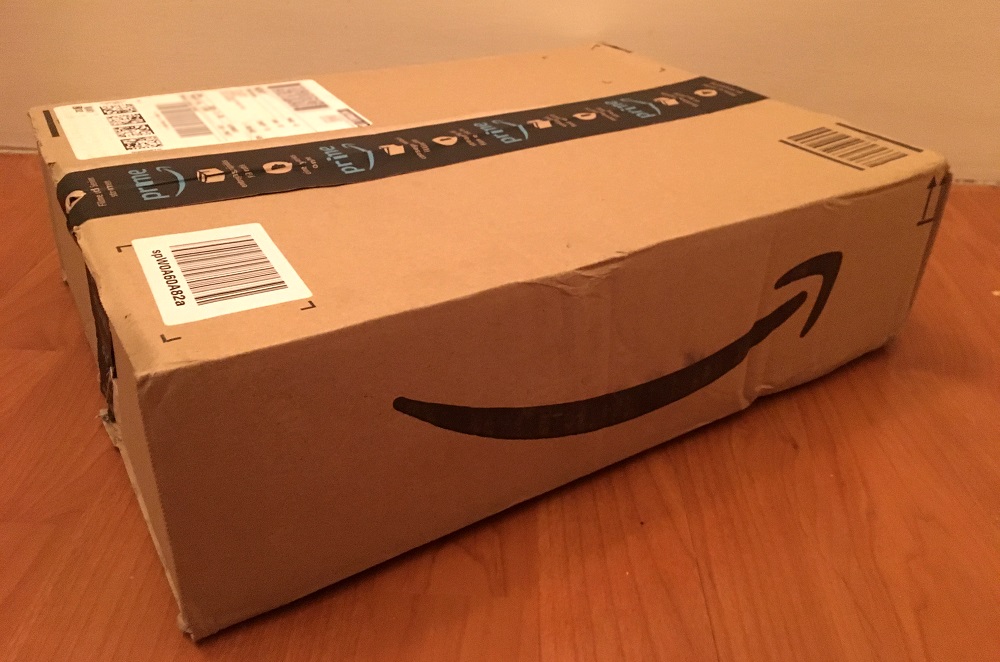
More than 80% of the cost of the new packaging tax is likely to be passed on to consumers, industry leaders have warned.
The new tax – or the extended producer responsibility (EPR) scheme, for which firms must submit their latest data on the packaging they have used by October 1 – is likely to place a “significant financial burden” on UK retailers and households, a survey of leading retailers for the British Retail Consortium (BRC) suggests.
The BRC said the industry had been left little room to absorb any extra costs following last year’s budget, when retailers were hit with £5 billion in extra employment costs due to higher employer national insurance contributions and the rising national living wage.
It said the EPR, set to cost industry billions, would be “yet another inflationary pressure” when food prices were already rising fast, with the Bank of England estimating that the policy alone will add 0.5% to food inflation.
In addition to the financial impact, some 85% of retailers said the administrative and compliance burden they faced had increased significantly as a result of EPR.
Composition
Firms are required to report extensive information on the composition and amounts of packaging they are putting on the market.
The tax is levied on any company which produces packaging bought and disposed of by households, and includes retailers and brands.
The fees are based on the materials and amounts used.
The survey found that 85% of retailers intend to increase the proportion of sustainable packaging placed on the market, and 78% intend to reduce the total volume of packaging they place on the market.
However, the BRC urged the Government to provide greater clarity on how consumers and the environment will benefit considering prices will increase.
Ring fencing
It is also calling on the Government to put in place legal ring-fencing to ensure the money raised from EPR can only be used by local councils to collect and operate local recycling, as well as fund improvements to local recycling systems.
Andrew Opie, director of food and sustainability at the BRC, said: “Retailers support the polluter pays principle and are making significant changes to reduce and improve their packaging.
“But the packaging tax is also a multi-billion pound levy being paid by consumers during a cost-of-living crisis. They will ask: what are we getting for higher prices?
“Unless funds are spent transparently and effectively, EPR threatens to just be another burden on an already overtaxed industry with no tangible benefits for customers or the environment.”
Encirc, one of the UK’s largest glass bottle manufacturers, which is also pioneering low-carbon production with investment in hydrogen power and biofuels, described the tax as an “own goal” that would hit glass bottles of wine and spirits the hardest due to its basis in weight.
Under the policy, a standard bottle of wine will cost an additional 9p, while the cost of a 330ml beer bottle will rise by about 4p and spirit bottles will cost an extra 11p under the levy.
Encirc, too, warned that these price increases could be passed onto consumers.
Sean Murphy, managing director at Encirc, said: “The new glass bottle tax is an economic and environmental own goal, hitting UK firms producing packaging that is far better for the environment than plastic.
“This tax will hit everyone – in the supermarkets, pubs, and glass factories that create thousands of jobs. It is a bitter blow for businesses such as ours which are investing heavily in green technology.
“The Government must hit the pause button on this.”
Support our Nation today
For the price of a cup of coffee a month you can help us create an independent, not-for-profit, national news service for the people of Wales, by the people of Wales.



Quote: “More than 80% of the cost of the new packaging tax is likely to be passed on to consumers, industry leaders have warned.” What’s new? Every little cost is passed on to the consumer!!! Businesses NEVER bear the brunt of increased costs although, judging by the noise they make, one could easily believe they suffer terribly.
Spot on there, Frank. All retail be it online or the major “bricks and mortar” chains are quick to pass on costs plus a margin on top. The ones least likely to rip you off are small independents who rely on the contact with their customers to stay afloat.
I thoroughly support this tax on excessive packaging which leads to record volumes of waste and litter. If producers won’t act on their own governments need to make them.
Agreed. Organisations such as John Lewis / Post Office are struggling to compete with Amazon (Dublin registered and pays limited taxes).
Post Office stopped using rail freight recently after 200 years!
Amazon makes its’ staff work Sundays, pays low wages and charges high prices for lots of products.
Or you could open a shop on the high street and sell goods with minimal packaging. It’s absurd that there’s no pushback on the online giants who wrap tiny unbreakable products in miles of bubble wrap and triple box them so they are delivered on a pallet.
a different approach: businesses could be creative and a) use less packaging and/or b) use alternative, sustainable packaging. Should this lead to reduced costs, I would then expect the loudest detractors such as BRC and Encirc to pass on these savings to their consumers. I won’t hold my breath.
Mandy Rice-Davies applies.
At what point does this kind of talk become multiple players in an industry collectively deciding to raise prices in an example of anti-competitive behaviour?