


Parents watering down baby formula as prices soar, study finds
Mark Mansfield
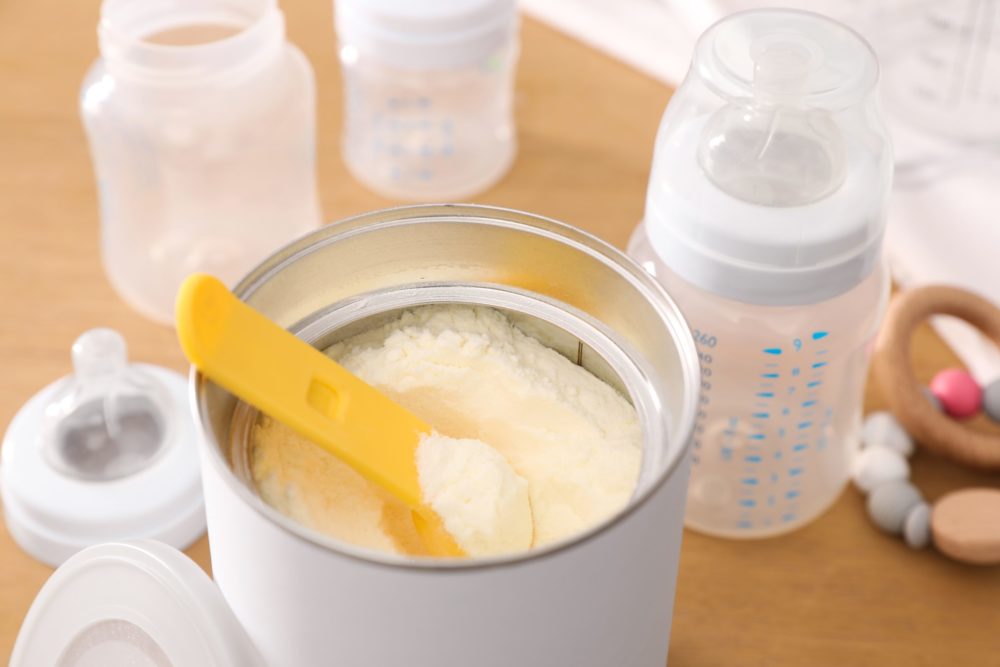
Parents are watering down baby formula because they are struggling to afford soaring prices, a new study has found.
Research led by Swansea University found families were also going into debt, cutting back on heating and adopting other potentially unsafe feeding practices to make formula last longer.
Almost 40% of struggling parents surveyed had adopted practices including watering down formula, reusing leftover milk or reducing sterilisation in an effort to make supplies last longer.
One in 10 said they had taken formula from a shop without paying.
The Medical Research Council-funded study examined the experiences of 281 parents through surveys and interviews and found the financial pressure was also having a serious impact on their mental wellbeing.
Almost half – 47% – had taken on debts they were struggling to repay, 43% had fallen behind with bills and 37% had left their homes unheated.
Among mothers, 21% said they had cut their maternity leave short to return to work.
Researchers also found 48% of families had introduced solid foods before their baby was ready, while 45% had switched to cheaper milk intended for older babies.
Professor Amy Brown, Professor of Public Health at Swansea University, who led the study, said infant formula prices were already high before the cost-of-living crisis and rose by up to 45% between 2021 and 2023.
She said: “This is a significant issue because infant formula is not a discretionary product. When infants are not breastfed or not fully breastfed, infant formula is needed to support growth and development.
“The worrying and rapid changes in the formula market coincide with the broader cost-of-living crisis, with many families already struggling to get by.”
The study found nearly every parent surveyed reported an impact on their mental health, with participants describing anxiety, guilt and feelings of failure.
One mother told researchers: “I cry all the time now. I’m meant to be the one who looks after her and protects her and I’m failing her all because I couldn’t get feeding right and now can’t afford her milk properly.”
Another said: “I’ve had to use less powder just to be able to, you know, get to a new week, so that I can plan for a new one.”
Researchers said many of the mothers had wanted to breastfeed but had been unable to access the support they needed, leaving them feeling particularly distressed when they subsequently struggled to afford formula.
‘Shocked’
Prof Brown said: “We expected our research to reflect some of the experiences we had been seeing in the media but were shocked at how many families it was affecting and how deeply.
“Mothers described how the lack of support and action on the issue had left them feeling heartbroken and feeling like they had failed.”
She said greater support was needed both for women who wanted to breastfeed and for families relying on formula to ensure they had reliable access to affordable products.
More than half of babies in the UK receive formula during their first week, rising to 88% receiving at least some formula by six months, according to the researchers.
The study, Infant formula affordability negatively impacts parental wellbeing, financial security and safe feeding practices in the UK, was published in Maternal and Child Nutrition and involved researchers and organisations including Cardiff Metropolitan University and the University of Hertfordshire.
Support our Nation today
For the price of a cup of coffee a month you can help us create an independent, not-for-profit, national news service for the people of Wales, by the people of Wales.
Get more trusted Welsh news
Choose Nation.Cymru as a preferred source in Google News to see more of our journalism.


