


Patients need dementia assessment before seeking assisted death – Peers
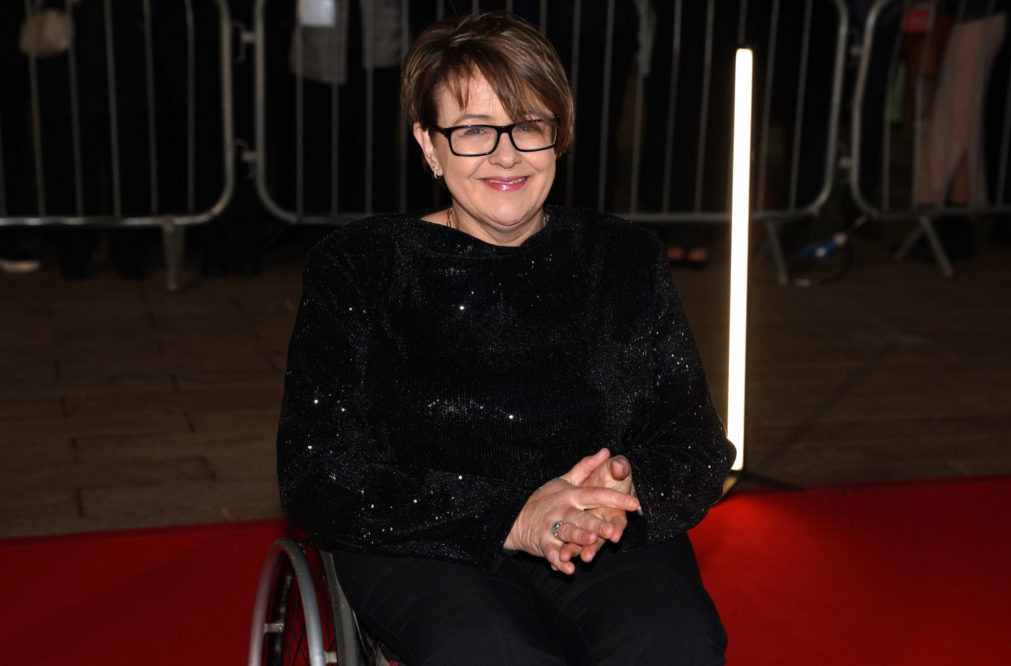
Patients must have a dementia assessment before they can seek an assisted death, Baroness Tanni Grey-Thompson has said.
The independent crossbencher insisted the move was necessary to ensure patients have the capacity to make proper decisions as peers continued their line-by-line scrutiny of the Terminally Ill Adults (End of Life) Bill on Friday.
Lady Grey-Thompson called for the assessment to be added to the controversial Bill, warning a “significant proportion” of people with dementia or cognitive impairment go undiagnosed until the later stages of the disease.
The Paralympian said: “If one in three people with dementia are never diagnosed, then one in three potential applicants under this Bill may have an unrecognised impairment in capacity.
“This is not a margin of error that any legislature can reasonably accept.”
She was supported by independent crossbencher Baroness O’Loan, who argued the assessment should be within the three months preceding any application for an assisted death.
“Many of us, sadly, have seen people we know and love in care homes, and our experience has told us that they are suffering from undiagnosed dementia,” she said.
“It can take time for a diagnosis to be reached, especially where an individual with dementia still understands the question that they may be asked and how to answer them, although they can’t remember whether they had a visitor that day, and do not even understand why they have to see a doctor.
“People can be very convincing, even when suffering from fairly advanced dementia.”
Labour former minister Lord Falconer of Thoroton, the Bill’s sponsor in the Lords, said he is “strongly against” this test, and argued there are safeguards in the Bill.
He added: “The whole purpose of the provisions, the two doctors, the panel, is that they are checking, do you have the capacity? Is it your wish?
“If you do have capacity, and it is your wish, then you should be entitled to an assisted death.”
Independent service
Baroness Finlay of Llandaff, a professor of palliative medicine, also called for an independent service to be established which would offer those seeking an assisted death “independent information”.
The independent crossbencher said: “Getting information to inform decision-making is crucial to supporting autonomy.
“Patients must be able to access all the details they need about an assisted death from a place that is not their primary source of care, their doctor.
“Having alternatives and independent sources of information related to death gives greater latitude for patients to understand their choice and at the pace that they need.”
However, health minister Baroness Merron said such a service is “not defined” and would require further amendments to make it workable.
She added: “This concept does not feature anywhere else in the Bill.
“Furthermore, there is no mechanism provided for assessing whether this eligibility requirement has been met. This would render the Bill unworkable as drafted.”
The debate comes as peers granted an extra 25 hours of sitting time to complete their scrutiny of the Bill.
Longer sessions are being held on Fridays to “meet the will of the House” after peers backed a motion proposed by Labour former lord chancellor and justice secretary Lord Falconer of Thoroton, who is taking the backbench legislation through the upper chamber.
Final drafting
The Bill will only become law if the House of Commons and the Lords agree on its final drafting, with approval needed before spring when the current session of Parliament ends.
Opponents of the draft legislation have been accused of filibustering by trying to “talk out” the Bill, with more than 1,000 amendments tabled – a record number for a private member’s Bill.
However, many have insisted they are doing their job of scrutinising legislation they think is currently unsafe.
Peers completed three groups of amendments on Friday. Their target, which had been set by Lord Falconer, was to cover nine groups by the end of the sitting.
Support our Nation today
For the price of a cup of coffee a month you can help us create an independent, not-for-profit, national news service for the people of Wales, by the people of Wales.


