
Peers set to vote again on social media ban for under-16s
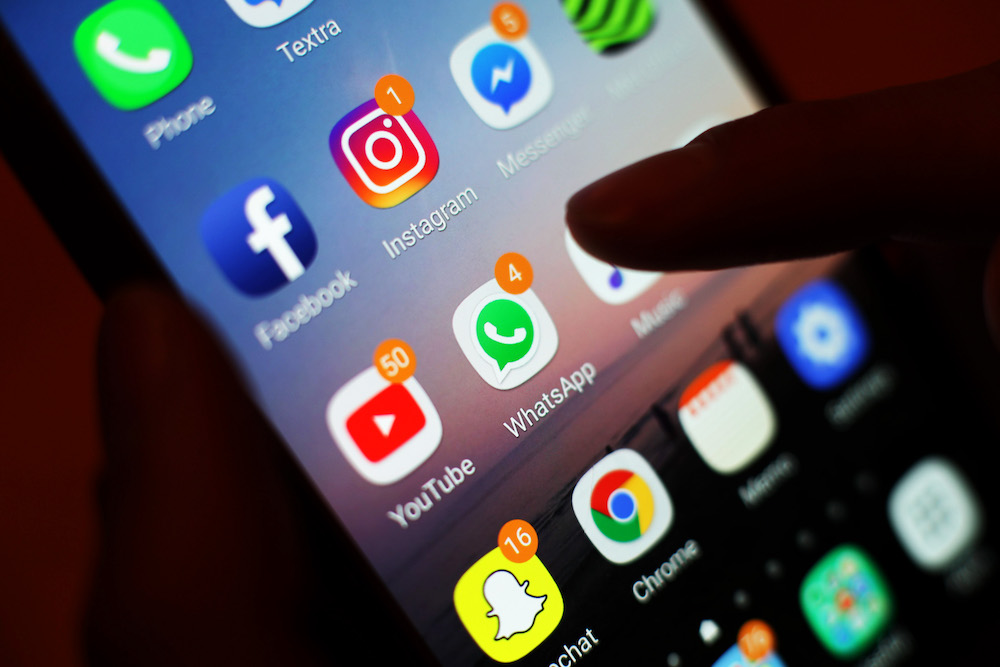
Peers are set to vote again on whether to block under-16s from social media platforms deemed harmful, which could trigger a stand-off between the Houses of Parliament.
Lord Nash, who proposed the age limit as part of the Children’s Wellbeing and Schools Bill, warned that “when it comes to our children and social media, there can be no half measures and no wasted opportunities”.
The Conservative former minister’s proposal had been written into the draft new law after a vote in the upper chamber, which he won by a majority of 111.
But MPs voted to strip it out by a majority of 134, instead agreeing to give the Government a wider and more flexible power.
On Wednesday, peers will be asked whether they would like to insist on Lord Nash’s proposal or agree with MPs.
Twenty-one bereaved parents have written to members of the Lords, urging them to “vote to raise the age”.
Under the Commons-backed amendment put forward by ministers, children could be banned or restricted from accessing selected social media services.
The Secretary of State would also gain new powers to bring in social media curfews for young people, or limit the amount of time children can spend on social media.
A Government consultation on what action should be taken to address online harms is under way.
Speaking ahead of the debate, Lord Nash said: “Today, my colleagues in the Lords have the opportunity to again tell our elected colleagues that when it comes to our children and social media, there can be no half measures and no wasted opportunities.
“The damage that social media is doing to our children increases by the day.
“And it is now clear that the Government’s consultation is a rushed job with no guaranteed outcome – and worse, one skewed towards the so-called positive benefits of social media.”
Lord Nash warned the ministers’ proposal would “introduce sweeping powers” which they could use “at some point in the future to let down, with no effective parliamentary scrutiny, the millions of parents, teachers, police officers, doctors and others who have campaigned for raising the age limit to 16 for the most harmful platforms”.
He added peers could back his amendment, “raising the age limit to 16 for the most harmful platforms, written into law by the summer, with 12 months before implementation to get this right”.
He said: “I urge my colleagues to please do so.”
In their open letter addressed to “parliamentarians”, the 21 parents described the Commons vote as “not just disappointing – it was devastating”.
Its signatories included Ellen Roome and Matthew Sweeney, the parents of 14-year-old Jools Sweeney; George and Areti Nicolaou, the parents of 15-year-old Christoforos; and Hollie Dance, the mother of 12-year-old Archie Battersbee.
They wrote: “We are writing as parents who wake up every day to a silence that should not exist, who go to bed knowing there will be no goodnight, no laughter, no future with the child we raised and loved.”
They added: “The Government’s offer, a consultation with no binding commitment and no fixed end point, is not an answer to a problem that has already claimed too many young lives.
“We have already lost our children. We cannot accept a process that risks losing more as discussions continue.
“We have watched technology companies fight every attempt at meaningful reform. We know how they operate.
“We know how easily protections are delayed, diluted or quietly dropped when there is no firm legislative commitment.”
The parents also said: “The Government is seeking powers that would allow future measures to be introduced with little or no opportunity for you, as elected representatives, to scrutinise or challenge them.
“We cannot ignore what this means.
“It means there is a real risk of half-measures.”
In the Commons earlier this month, education minister Olivia Bailey told MPs: “Many parents and campaign groups have called for an outright ban on social media for under-16s.
“Others, including children’s charities, have warned that a blanket ban could drive children towards less regulated corners of the internet or leave teenagers unprepared when they do come online.”
Ms Bailey said the consultation would help ministers decide their “next steps and ensure children can grow up with a safer, healthier and more enriching relationship with the online world”.
The Bill has been debated in both Houses but is in a stage sometimes known as ping-pong.
Both Houses must agree on its final draft before it can become law.
Support our Nation today
For the price of a cup of coffee a month you can help us create an independent, not-for-profit, national news service for the people of Wales, by the people of Wales.


