


Peers urged not to delay assisted dying Bill ahead of final debate of the year
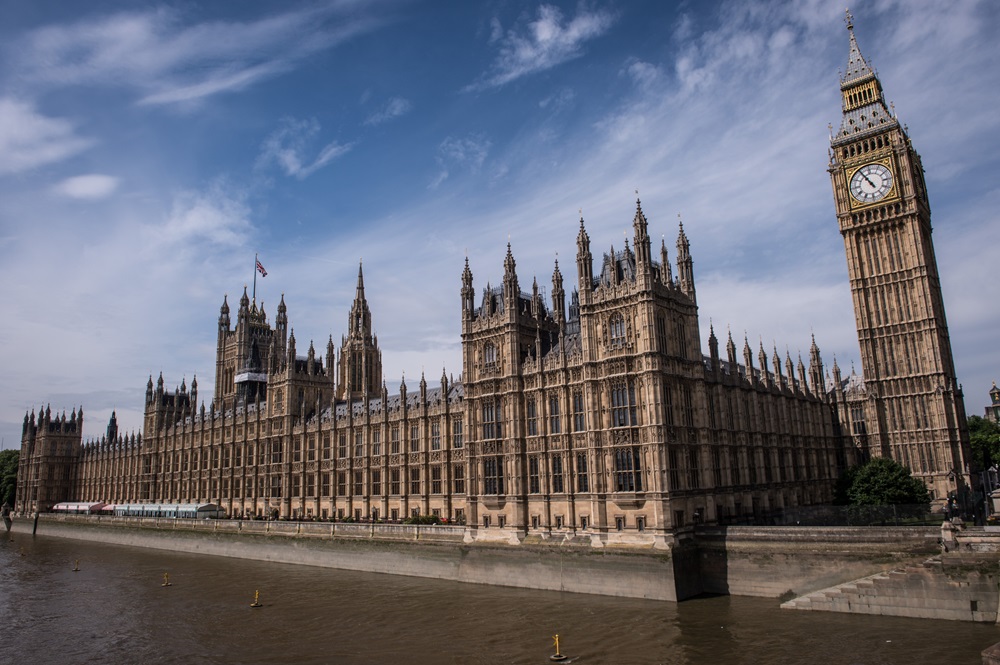
Letting down dying people and their loved ones by holding up the assisted dying Bill would be “reprehensible”, a group of MPs has warned peers ahead of the final debate of the year on the controversial draft legislation.
The House of Lords has been accused by those supportive of a change in the law of time-wasting, having tabled more than 1,000 amendments to the Terminally Ill Adults (End of Life) Bill.
But many have rejected such accusations, insisting they are doing their job of scrutinising an important potential change to the law.
Eight members of the upper chamber, including Labour’s Baroness Berger and former president of the British Medical Association (BMA) Baroness Finlay of Llandaff, signed a letter which argues “scrutiny should never be conflated with obstruction”.
Peers will gather on Friday for the last committee session of the year, ahead of further sessions allocated from January amid concerns the Bill could run out of time to be passed into law.
The Bill will become law only if both the House of Commons and House of Lords agree on the final drafting of the legislation – with approval needed before spring when the current session of Parliament ends.
If passed, it would allow terminally ill adults in England and Wales with fewer than six months to live to apply for an assisted death, subject to approval by two doctors and a panel featuring a social worker, senior legal figure and psychiatrist.
After passing its initial stages in the Commons, it has been slow to progress through the Lords as changes such as potentially stronger assessments for young people seeking an assisted death and further safeguards to prevent so-called “death tourism” have been debated.
Assisted dying campaigner Dame Esther Rantzen, who has repeatedly urged members of the Lords not to block the landmark legislation, has warned that “scrutiny must not tip into sabotage”.
Appealing to peers ahead of Friday’s debate, she said: “The reputation of this House depends on allowing full and fair consideration of an issue of such profound public importance.”
‘Constitutionally improper’
A letter, from MPs supportive of a law change, warned that “failing to respect the decision of the elected chamber in this way would be constitutionally improper”.
They added: “Ignoring the clear and consistent support of a majority of the public would further damage faith in our democratic processes.
“Worst of all, letting down all those individuals and families who have personal experience of the injustice and cruelty in the existing law would be reprehensible.”
Meanwhile, Lady Berger said the dismissal of peers’ concerns is “deeply regrettable”, in a letter also signed by Baroness Berridge, Baroness Finlay, Lord Goodman of Wycombe, the Bishop of Newcastle, Baroness Scotland of Asthal, and Baroness Smith of Newnham.
The letter, sent to fellow peers on Thursday, said: “Suggestions that it should make more rapid progress than any other Bill are unhelpful and outside the norms of the House. Scrutiny should never be conflated with obstruction.
“Recent reports that its progress as a private member’s Bill may have been planned before the election are troubling and should confirm our resolve to be thorough and transparent in our consideration of the Bill before us.
“To do otherwise is to shirk our duty as Parliamentarians to ensure that all the laws that leave this place are workable, effective and equitable, and not simply well-intentioned,” it added.
Slow pace
In Parliament on Thursday, the Leader of the Commons, in response to a question on the slow pace in the Lords, said peers “do have a duty and responsibility to scrutinise such legislation, but there are conventions and ways of doing it, and I would urge them to do everything that they can to respect the view of this House, the elected chamber, in these matters”.
Commons leader Sir Alan Campbell added: “And, of course, I’ve made very clear that should the Bill return to this place, perhaps with amendment, then at that point, if necessary, we may look at further time on Fridays to see if we can get some more progress and get it across the line.”
As the Bill is a private member’s Bill rather than one introduced by Government, sessions tend to be limited to Friday sittings in Parliament.
Support our Nation today
For the price of a cup of coffee a month you can help us create an independent, not-for-profit, national news service for the people of Wales, by the people of Wales.



Its not a govt bill that was in labour’s manifesto – its a private members bill. The lords therefore are under no obligation to speedily progress – or even pass – the bill. PS would rather hear the views on this bill of seriously disabled people – such as tanni grey-thompson – than a media luvvy like esther rantzen (who has now spent a decade telling us she’s not long for this world)
There are legitimate concerns that the RefCon 2029 alliance will abuse this legislation to reduce the eye-watering state pension benefits bill.