


People should not have to tolerate ‘pernicious’ antisocial behaviour – minister
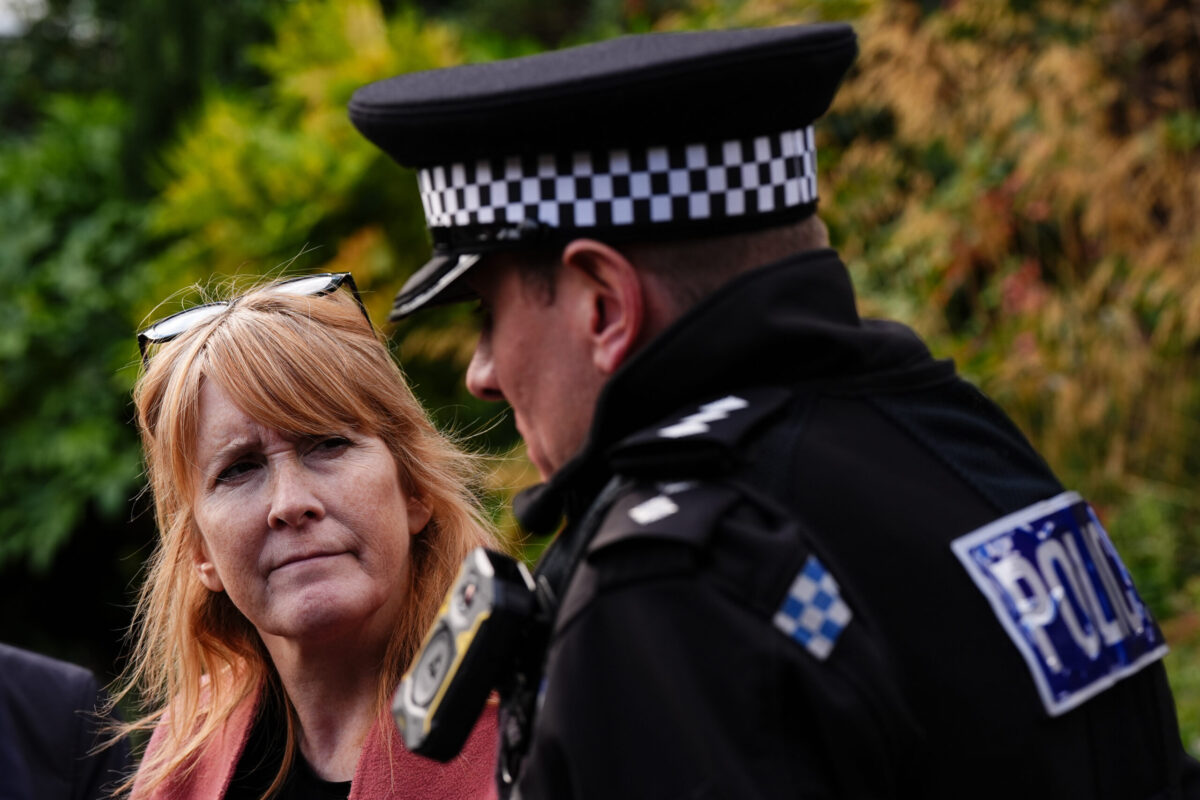
Communities should not have to tolerate “pernicious” antisocial behaviour, the policing minister has said, as new Respect Orders come into force across England and Wales.
Perpetrators of anti-social behaviour could be hit with tougher restrictions like curfews or bans from town centres as part of the new orders, which will allow police, councils, housing associations and transport networks to take stronger enforcement action.
Repeat offenders could face curfew bans, or be ordered to stop drinking in public hotspots including high streets and local parks.
Speaking on a visit to Newcastle-under-Lyme, Staffordshire, policing minister Sarah Jones said anti-social behaviour should not be normalised or accepted.
She said: “We know, across the country, antisocial behaviour is pernicious. We shouldn’t tolerate it, we shouldn’t accept it.”
She added: “We want our neighbourhoods to be places where people can enjoy, they can feel safe, they can go to the pub, they can go to the shop, they can get their hair done, without feeling like they are going to be abused by somebody, threatened by somebody, or see something horrific going on in their neighbourhoods.
“That is what we want, and that is what should be normal. That’s what we should all be aiming for. The Respect Orders will help with that.
“I know there’s a lot more that we need to be doing, but we are trying our best to make sure every single tool that police need, that the council need, is there, so that they can use them to tackle these problems.”
The minister met Staffordshire Police officers, local partners and members of the community affected by anti-social behaviour and visited a hotspot for offending amid discussions about how the new orders could be used in practice.
Asked what she had heard from Newcastle-under-Lyme residents about the issues they face, Ms Jones said: “The town centre doesn’t feel as safe as it should do because of persistent antisocial behaviour, whether that’s people street drinking, taking drugs, shouting, being disorderly.
“It’s something that makes us feel less comfortable going into our town centres and that’s what we want to try and reverse.
“Crucially, we’re saying there must be more police in our neighbourhood.
“We’ve already uplifted the number of police in our neighbourhoods by just shy of 4,000 extra police and we want to keep doing that because loud and clear from all of the people we spoke to, they want to see the police, and they want to see the police taking action.”
Ms Jones said the legislation has been passed “in tandem” with the Ministry of Justice after being asked whether the Respect Orders would place extra strain on the courts.
Breaching a Respect Order will be a criminal offence, punishable by up to two years’ jail, the Home Office has said.
She said: “We agree how it’s going to be done and how it’s going to be implemented, and we implement these things at a time when the courts will be able to deal with them.
“We know the courts are very challenged at the moment, we absolutely know that, but this is really important.
“If the public are saying to us, antisocial behaviour is actually something that makes me feel less safe in my town, that really affects my quality of living, then we need to be responding, and the courts need to be responding.
“We just need that concerted effort so that everybody is saying antisocial behaviour is not low level, it’s not something that comes last on the list of priorities, it should be upfront as a really big push from all the different agencies to tackle it.”
Chief Inspector Cliff Goodwin, the local policing commander for Newcastle-under-Lyme and Staffordshire Moorlands, who joined the minister on the visit, said there was a sense of apathy around reporting antisocial behaviour to the police.
He said: “We need to encourage our communities to report things into the police.
“I’ve heard today about reporting apathy, I think part of my job is to keep encouraging the community to report when they see antisocial behaviour, to let them know that we are hearing them.”
He said issues in Newcastle-under-Lyme are the same issues many communities across the country face, including people riding e-bikes and e-scooters, drug-taking, fouling and people congregating in certain areas.
Mr Goodwin said the Respect Orders would enable officers to stop antisocial behaviour “in its tracks” by putting persistent offenders before the courts when they have not engaged with diversionary work beforehand.
He said: “We haven’t got lots of new officers, but what we are able to do is focus our attention, based on reports and understanding the intelligence, to make sure we put the officers in the right place, at the right time, when antisocial behaviour is happening.
“I would love more police officers, but I think what we have to get better at is understanding where we need to put police officers, how we better use the officers we’ve got, and we can do that better when we’re working with our partners and sharing that information.”
Support our Nation today
For the price of a cup of coffee a month you can help us create an independent, not-for-profit, national news service for the people of Wales, by the people of Wales.
Get more trusted Welsh news
Choose Nation.Cymru as a preferred source in Google News to see more of our journalism.


