


Petrol station and EV charging hub plans unanimously rejected
Dale Spridgeon, Local Democracy Reporter
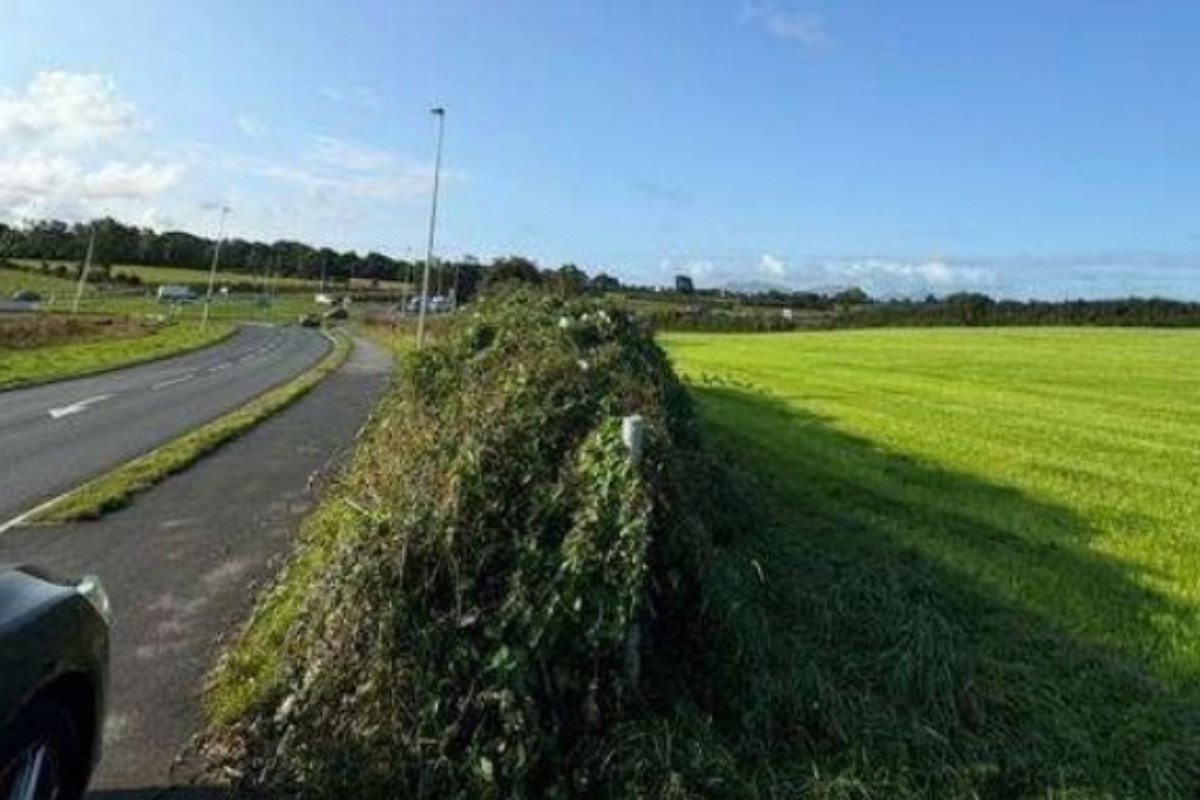
Plans for a new petrol station, electric vehicle charging hub and food outlets on agricultural land in north Wales have been unanimously rejected by councillors.
Members of Cyngor Gwynedd’s planning committee rejected the plans for land beside the Caernarfon bypass at a meeting on Monday, 28 September.
The plans concerned land beside the Muriau Park Hotel, near to the Caernarfon-Bontnewydd bypass.
The matter had come back to the committee for “re-consideration” following a planning meeting in July, where a previous plan was refused.
This was because “the original committee report did not give full or sufficient consideration to the provision of the ‘food-to-go’ units and the retail area, proposed as part of the development”.
A report said: “Consequently, the report reached a conclusion regarding the retail impact of the proposal without giving full consideration to what is included within the application and planning policies relevant to the retail and ‘food to go’ elements.”
The council said that following legal advice, it was considered appropriate to refer the application back to the planning committee for reconsideration.
The report had been amended, now describing a new petrol station, an electric vehicle charging hub, car wash bays, two “food-to-go” areas and rear storage area.
Caernarfon Town Council unanimously opposed the scheme, saying its “primary responsibility” in planning matters was to “ensure maximum benefit” for the town’s residents and businesses.
“The amendments to the plan have not met the concerns of Caernarfon Town Council,” it said.
“The development is outside the development boundaries of the town, and is intended to serve bypass travellers rather than serve or benefit the residents of the town of Caernarfon.”
It noted there was “no shortage of traditional fuel facilities in Caernarfon”.
They added: “The development does not appear to be in the interest of Caernarfon residents. While more EVCP [Electric Vehicle Charging Point] is needed, this proposal does not meet local needs.
“The site is on high-quality agricultural green land in a prominent location. There is a risk of adverse economic impact on the town’s businesses. There are significant concerns about road safety, traffic and pollution.”
Bontnewydd Community Council was also “unanimously opposed” in the “strongest possible terms”.
The council said: “We object to the fundamental concept of developing a service site in this area, and the objection is not one that can be overcome with minor design and similar modifications.
“The desire for financial profit should not outweigh the unsuitability of the site and the adverse impact on the wider local population.”
Llanwnda Community Council also felt “the size of the development is too large, and unnecessary”.
It was also concerned it could “destroy agricultural land and destroy a rural site” and “may attract more traffic along the old A4871 through Bontnewydd, Dinas and Llanwnda”.
They also felt there was “very little, if any, benefit to the local community”.
They added: “Indeed, there is a likelihood that it will have a negative impact on the local community, affecting indigenous businesses, not only petrol sales businesses, but also shops, cafés and food places.”
The plan was unanimously refused.
Support our Nation today
For the price of a cup of coffee a month you can help us create an independent, not-for-profit, national news service for the people of Wales, by the people of Wales.
Get more trusted Welsh news
Choose Nation.Cymru as a preferred source in Google News to see more of our journalism.


