


Pirate rum bar plans for Welsh seaside village refused

Bruce Sinclair – Local democracy reporter
Plans for a pirate rum bar at a Welsh seaside village family venue built in part to reflect its coal heritage have been refused by the national park.
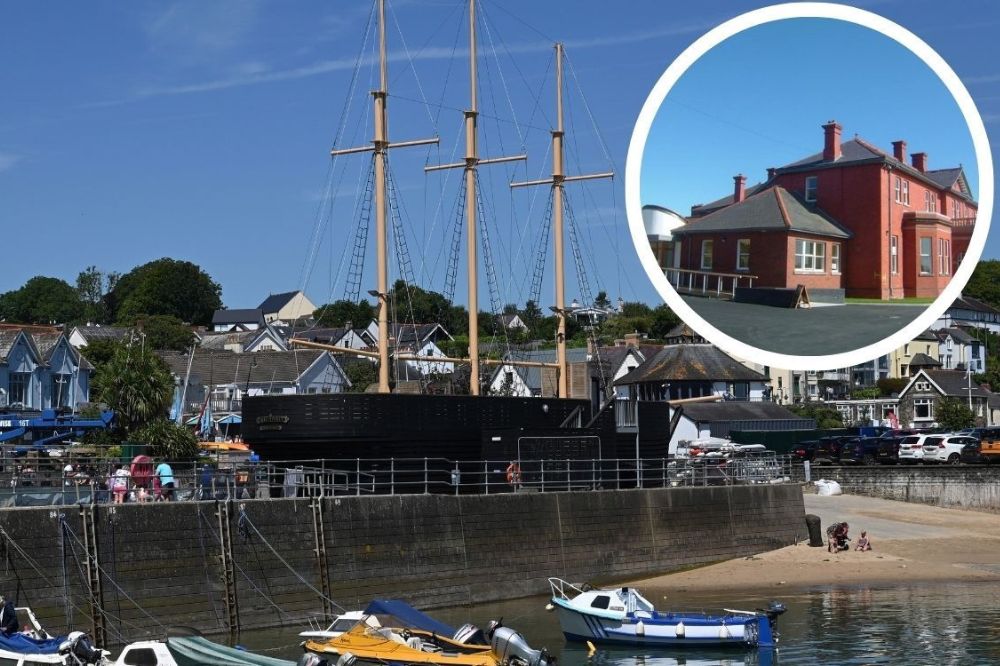
In an application recommended for refusal at the July 9 meeting of Pembrokeshire Coast National Park’s development management committee, Jonathan Thomas of ‘Schooner’ sought permission for a change of use of the Coastal Schooner interpretation centre, Saundersfoot Harbour to a rum and pirate-themed bar.
The schooner – a prominent feature on the village’s National Events Deck – was built to showcase Saundersfoot’s maritime heritage and is part of the £10m Wales Coastal Centre project.
Mining
The building is a replica of a traditional coastal schooner vessel which operated from the harbour during the coal mining era to transport coal from Saundersfoot.
The interpretation centre closed in October 2024.
Saundersfoot Community Council and Saundersfoot South county councillor Chris Williams have voiced their objections to the plans; the community council saying the proposal as a rum bar “raises concerns in this location and is considered to be at odds with the current family venue and heritage elements”.
A supporting statement accompanying the application said: “The maritime theme will be maintained as the bar will include a small-scale rum distillery and will focus on the maritime history associated with rum and tell the tales of local pirates.
“The Schooner operated as an interpretation centre and high ropes offer for a year from October 2023 to October 2024. However, it has proved not to be a viable option to run the Schooner as an interpretation centre alone and an additional use is sought to maintain the interpretation element of the Schooner.
“The High Ropes offer proved to be an unviable option to retain going forward.
“The proposal seeks to change the use to a mixed-use interpretation centre and bar, following the model of the Rum Story in Whitehaven Harbour on a smaller scale.”
Retail
It adds: “The proposal will allow for the Schooner to be maintained and be freely open to the public thus protecting and enhancing the community facilities to meet the needs of local people and visitors alike.”
An officer report recommending refusal said the scheme is considered to fall outside the seaside village’s defined retail area and the impact on the amenity of the area and especially nearby residential dwellings.
Speaking at the July meeting, chair of Saundersfoot Community Council, and county councillor, Cllr Alec Cormack said it backed the two officer recommendations, adding the original scheme had been supported because of its heritage use but had not proved to be commercially viable.
He said the community council had raised safety concerns over the sale of alcohol at the schooner, with its high masts, finishing: “I urge the applicant and the harbour as landowner to engage with the village for a more family-friendly scheme that all can support.”
Also speaking at the meeting, fellow Saundersfoot councillor Chris Williams called for a “clear rejection” of the scheme, adding the promise and an educational and cultural asset had not been delivered.
“This is a complete departure from the original use from publicly funded facilities,” said Cllr Williams, adding: “The community was promised a learning centre not another drinking venue; it’s rebranding an educational feature as a bar.”
Following a move to refuse the scheme by Cllr Di Clements, members unanimously backed the officer recommendation for refusal.
Support our Nation today
For the price of a cup of coffee a month you can help us create an independent, not-for-profit, national news service for the people of Wales, by the people of Wales.



Pity. It could have doubled as Reform’s HQ.
Arrr, Arrr, Arrr !!!!
Typical of pencil pushing councils who love the power
That’s local councils for you. The Plaid Cymru ones are just as bad(if not worse) as English ones. I will say the Plaid ones excel at refusing to take your refuse and for the efficiency of receiving plain brown envelopes with ‘party donations ‘