
Plant more urban trees to boost ‘beleaguered’ moths, ecologists urge
Emily Beament, Press Association Environment Correspondent
Councils, town planners and homeowners are being urged to plant more native trees in urban areas to help moths.
Butterfly Conservation says species such as apple, oak, silver birch, hawthorn, willow, poplar and elm can boost numbers of moths and butterflies, as it made the call for more planting in towns and cities to mark National Tree Week.
Ecologists said that tweaking planting in towns and cities by choosing the right kind of trees and managing urban woodlands well can help “beleaguered” moth populations, which are suffering from substantial declines in the UK.
Professor Richard Fox, head of science at Butterfly Conservation, said: “In recent years, there has been a fantastic focus on the benefits trees can have for humans in urban areas – cooling extreme temperatures, enhancing air quality and offering mental health benefits.
“This is great, but by slightly tweaking things and also thinking of urban trees as habitat for moths and other biodiversity, we could have an even bigger impact for wildlife and people.”
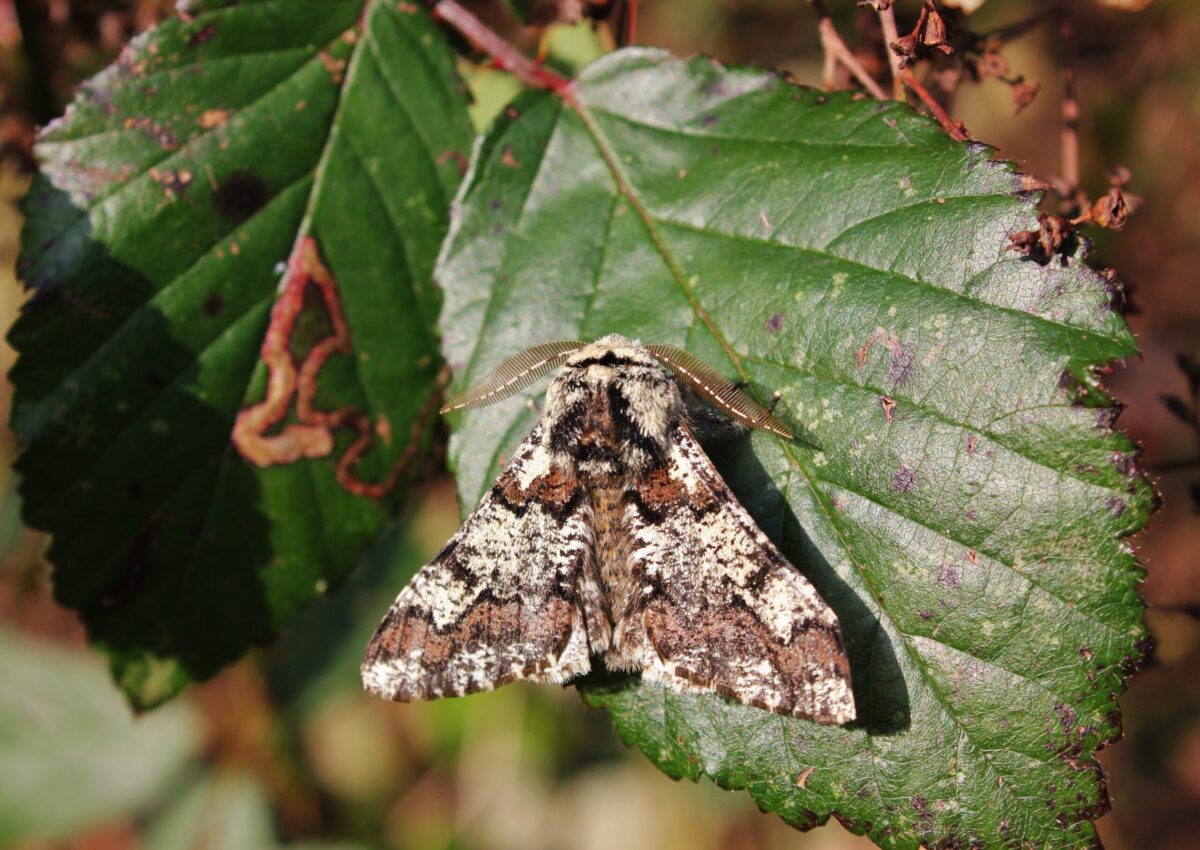
He said trees were “fantastic for moths”, with caterpillars feeding on the leaves, fruit and seeds, adults drinking nectar from catkins and blossom, the insects sheltering from predators.
Trees can also support moths in other ways – from caterpillars which eat only fungi or lichen growing on their trunks and branches to species which live out their lives in birds’ nests, he said.
“For helping wild animals like moths, trees have an enormous potential which we are still learning about, but we absolutely know enough to say that, by slightly changing our approach in our towns and cities, we can easily unlock more of that awesome power,” he added.
Prof Fox and Finland-based ecologists Dr Emilie Ellis and Professor Tomas Roslin, have outlined proposals in the journal Current Opinion in Insect Science about how councils, agencies and homeowners already growing trees could significantly increase the benefits to moths with a few small changes.
As some trees support a wide variety of moths, and others very few, it is important to take wildlife into account when choosing trees, along with safety, resilience and aesthetics, and a diversity of species can boost wildlife habitat, they say.
It is also important to protect existing urban trees, particularly veteran trees, fragments of ancient woodland and the centre of mature woods.
And planting should be planned to make the landscape more joined up, using solitary trees in streets and gardens, lines of trees, and hedgerows to connect bits of woodland so moths can move more easily through the landscape.
Dr Ellis said: “The evidence from studies of urban woodland, as well as from farmland and forests, clearly shows the value of trees for our beleaguered moth populations.
“This is true for individual trees, lines of trees and for blocks of woodland.
“My own research in Leeds, Leicester and Sheffield shows that moth species richness and abundance increase with urban tree cover.
“Other studies have shown that the hearts of woodland patches host more moths than the edges, so managers should protect these havens from too much disturbance,” she added.
How you can help
Butterfly Conservation has outlined seven native tree species that people can grow in their gardens to help butterflies and moths:
– Apple trees, which provide nectar and are home to more than 60 caterpillar species, from the tiny “grey apple dot” which lives inside its leaves to the giant “eyed hawk-moth” whose caterpillars are up to 7cm long.
– Oaks support at least 120 species of moths, from the oak beauty which feeds on the tree’s leaves to the purple hairstreak, with even saplings in pots supporting moths species – but it is important to plant native English or sessile oaks as non-native varieties support far fewer insects.
– Silver birches support more than 300 species of insects, including the buff-tip moth whose camouflage mimics a snapped birch twig.
– Hawthorns are used by the caterpillars of more than 100 moth species, from brimstone moths to hawthorn berry moths.
– Willows are a food source for more than 130 different moth caterpillars, including the willow ermine whose caterpillars live in family groups within leaves spun together with silk.
– Poplars, with several species in the UK, are home to the caterpillars of species such as the poplar hawk-moth and the puss moth, whose chunky caterpillars have two long waving tails and the ability to squirt acid at attackers.
– While elms have been devastated across the UK by Dutch elm disease, they are still vital to the elusive white-letter hairstreak butterfly, along with moths such as the clouded magpie, and gardeners can plant disease-resistant elm varieties to support the insects.
Support our Nation today
For the price of a cup of coffee a month you can help us create an independent, not-for-profit, national news service for the people of Wales, by the people of Wales.
Get more trusted Welsh news
Choose Nation.Cymru as a preferred source in Google News to see more of our journalism.