


Police will face court action over facial recognition technology, watchdog warns
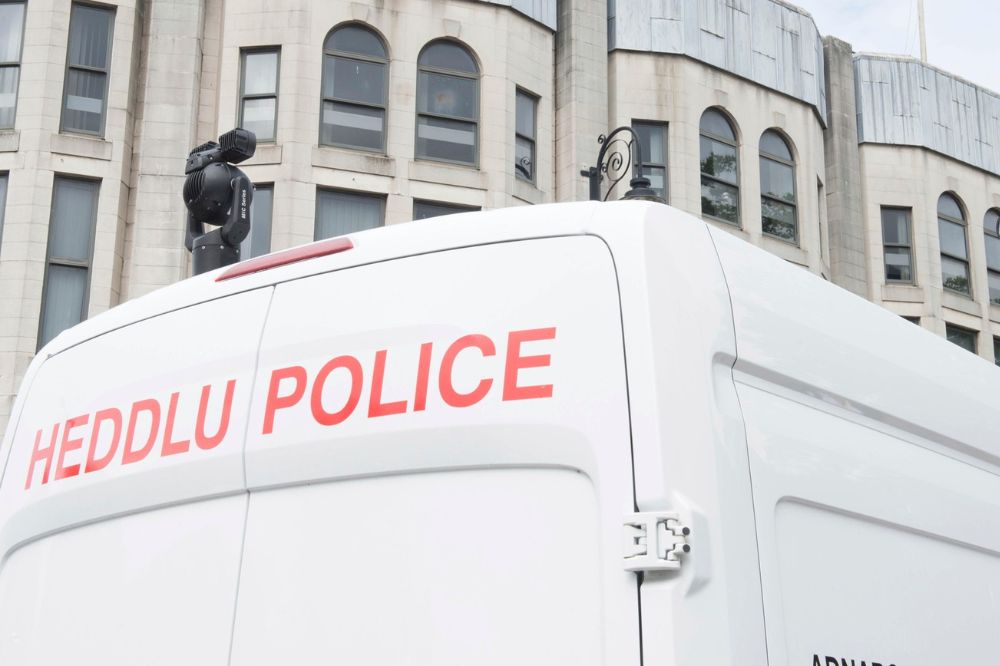
Police forces will find themselves taken to court over their use of live facial recognition technology, a watchdog has warned.
The controversial system, set to be used by all police forces in Wales and England, is not “fool proof” and could land forces in legal difficulty, the Biometrics and Surveillance Camera Commissioner said.
Professor William Webster said “misidentified” members of the public could sue the police for breaching their fundamental rights.
It comes as live facial recognition is set to be used for the first time in policing a protest.
The Metropolitan Police has said it will use it at the Tommy Robinson-led Unite the Kingdom rally on Saturday.
Cameras will be set up in a location that is not on the route of the march, but is expected to be used by a lot of people attending the event.
There remain more than 50 outstanding and unidentified suspects after violent clashes between police and protesters at the previous Unite the Kingdom event in September.
Prof Webster told the Press Association: “There’s no escaping that the technologies are not fool proof.
“They will make mistakes, and the risk is that every time a mistake is made, a police force will find themselves in a court of law.
“That’s 40 something police forces that could be making 40 different sets of mistakes that will occasionally end up being challenged in a court of law.”
Prof Webster said those “misidentified” by the technology could bring a case against the police for infringing on their fundamental rights including privacy, freedom of movement and freedom of association.
“It’s a predictive technology, it’s not meant to be 100% accurate,” he continued.
“This is why we have to have a legal framework. A legal framework will set out in very clear words what different rights are involved here, where the clash is, and how police forces can mitigate protecting all those rights.”
The legal basis for the technology’s use is currently piecemeal, based on common law, data protection and human rights laws.
The recently set out Police Reform Bill will outline a new legal framework for facial recognition, but concerns remain that legislation is lagging far behind the technology.
Prof Webster said the technology might have moved beyond simply recognising faces by the time the Bill has made it into law.
“Facial recognition is kind of the poster boy, but actually there’s a raft of technologies that are similar that are going to be coming in the future as well,” he said.
“We have, for example, things like gait recognition, identifying you by the way you walk. We could have iris recognition.
“There is an absolute need, in my opinion, for this legislative framework.
“It will make it very clear to police forces how they can use these technologies and it will provide the public with the confidence that the police forces are using these technologies appropriately.”
Home Secretary Shabana Mahmood has defended plans for a rollout beyond pilot schemes, saying there is “no true liberty” if people are too scared of crime to leave their houses.
Plans set out as part of sweeping reforms to policing would see the number of camera vans rise from 10 to 50, and be made available to all forces in Wales and England.
Support our Nation today
For the price of a cup of coffee a month you can help us create an independent, not-for-profit, national news service for the people of Wales, by the people of Wales.
Get more trusted Welsh news
Choose Nation.Cymru as a preferred source in Google News to see more of our journalism.



