


Polling stations open at start of crucial day for Keir Starmer’s premiership
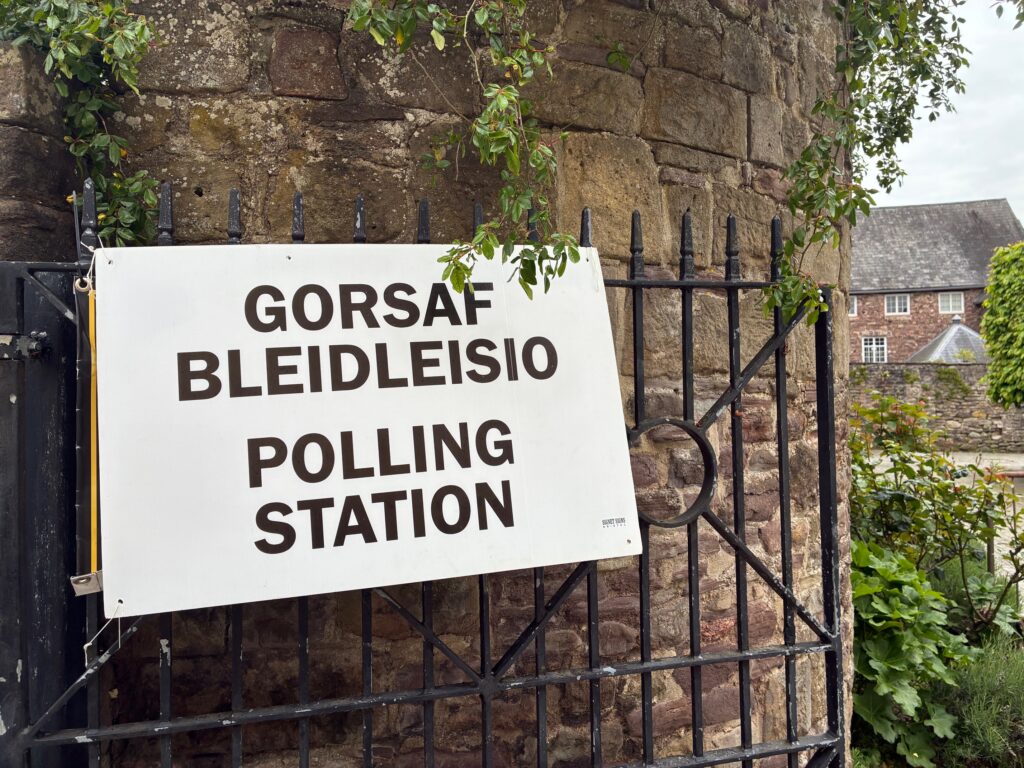
Polling stations across Wales, Scotland and parts of England have opened for millions to cast their vote in crucial elections for Sir Keir Starmer’s premiership.
They are expected to be the toughest test for the Prime Minister since the general election in 2024, with devastating results predicted for the Labour Party.
Some 1,850 Labour seats are expected to be lost in councils across England, according to polling guru Lord Robert Hayward.
Labour’s prospects look equally painful in Wales where the governing party is set to lose the national vote for the first time in more than a century.
The Prime Minister has acknowledged the elections will be “a challenge” but in a final plea to voters he urged them to “choose unity over division”.
Sir Keir cast his ballot at Westminster Chapel in central London on Thursday morning with his wife Lady Victoria Starmer.
Almost 25,000 candidates are fighting to be elected to more than 5,000 seats on 136 councils across England.
In Scotland, all 129 seats are up for election at Holyrood while voters in Wales will choose 96 members of the Senedd.
Ahead of polling day, Sir Keir said: “In tough times, you need politicians who will always stand up for you and your family. Time and again Nigel Farage and Zack Polanski have shown they are not fit to meet this moment of great global instability.
“Today I pledge firmly to you: whatever the pressure, Labour will always back you and your family and we will never waver from doing what is in Britain’s national interest.
“Today, choose unity over division. Vote Labour.”
MPs are reportedly moving to oust the Prime Minister in the wake of the results.
Backbenchers from the 2024 intake are plotting to write a missive blaming the Prime Minister for expected losses at the polls and asking him to set a date for his departure, according to the Times newspaper.
The move would echo the drafting of a round-robin letter by normally loyal Labour MPs calling for Sir Tony Blair to step down in September 2006.
This is not the first hurdle for Sir Keir to overcome, with the most recent scandal leading to calls for him to resign over his decision to appoint disgraced peer Lord Peter Mandelson as US ambassador.
He has also faced criticism over his numerous U-turns, including on the two-child benefit tax, inheritance tax changes for farmers, and a grooming gangs inquiry.
The Prime Minister is planning a “policy blitz” following the elections, according to the Financial Times, with reports suggesting this could include closer relations with the European Union.
Cabinet ministers are not said to be among those committed to signing the letter, although there are rumblings of a potential leadership tilt by Health Secretary Wes Streeting, former deputy prime minister Angela Rayner or Greater Manchester Mayor Andy Burnham.
Work and Pensions Secretary Pat McFadden insisted on Wednesday that Sir Keir was in a “resolute” mood and triggering a leadership contest would be a mistake.
Labour Party deputy leader Lucy Powell signalled her support for Sir Keir on the eve of the elections but sidestepped questions about whether he should lead the party into the next general election.
Education Secretary Bridget Phillipson stood by Sir Keir, describing him as a “level-headed” leader in an interview with LBC, adding “the last thing that people will want is the Labour Party turning in on ourselves”.
Conservative leader Kemi Badenoch said her party is the only one “with the plan, the team and the backbone to deliver a stronger economy and stronger country”.
She added: “Under my leadership the Conservative Party has changed. We know where we went wrong and we’re fixing it.
“The next Conservative government will deliver cheaper energy bills, take back our streets with 10,000 more police officers, cut business rates for the high street, end the war on motorists, and abolish stamp duty on the family home.”
Meanwhile, Liberal Democrat leader Sir Ed Davey is calling on voters to opt for “hard-working local champions”.
He added: “We have less than 24 hours to stop Reform and defend the country we love from Nigel Farage’s Trump-style politics.
“We’ve now seen what Reform looks like in power – banning journalists, scrapping renewables, closing care homes and raising council tax despite their promises. Our communities can’t afford that chaos.
“Across the country, from Hampshire to Hull, the battle is now between the Liberal Democrats and Reform. We are the ones taking the fight to them and standing up for decency, tolerance and the rule of law.
In his final message, Reform UK leader Nigel Farage hit out at Sir Keir, branding him “gutless” and accused the Tories of failing to remove the “unpatriotic” Prime Minister.
He added: “Together, we can continue the journey of getting our great country back on track.
“Reform made history and won the local elections last year. If you really want change, go out and vote for it again today.”
Green Party leader Zack Polanski said he will lead his party to “record-breaking local elections” and “win more councillors than ever before”.
He added: “In Wales, we are confident – but not complacent – of a historic breakthrough in the Senedd elections.
“Greens are the only party taking the cost-of-living crisis seriously, with real plans to cut bills, reduce rents and provide genuinely affordable homes. It’s a message that has been received positively on the doorstep, but now we have to to turn that warm sentiment into hard-won votes at the ballot box.”
Support our Nation today
For the price of a cup of coffee a month you can help us create an independent, not-for-profit, national news service for the people of Wales, by the people of Wales.
Get more trusted Welsh news
Choose Nation.Cymru as a preferred source in Google News to see more of our journalism.


