


Popular visitor sites introduce ANPR parking systems
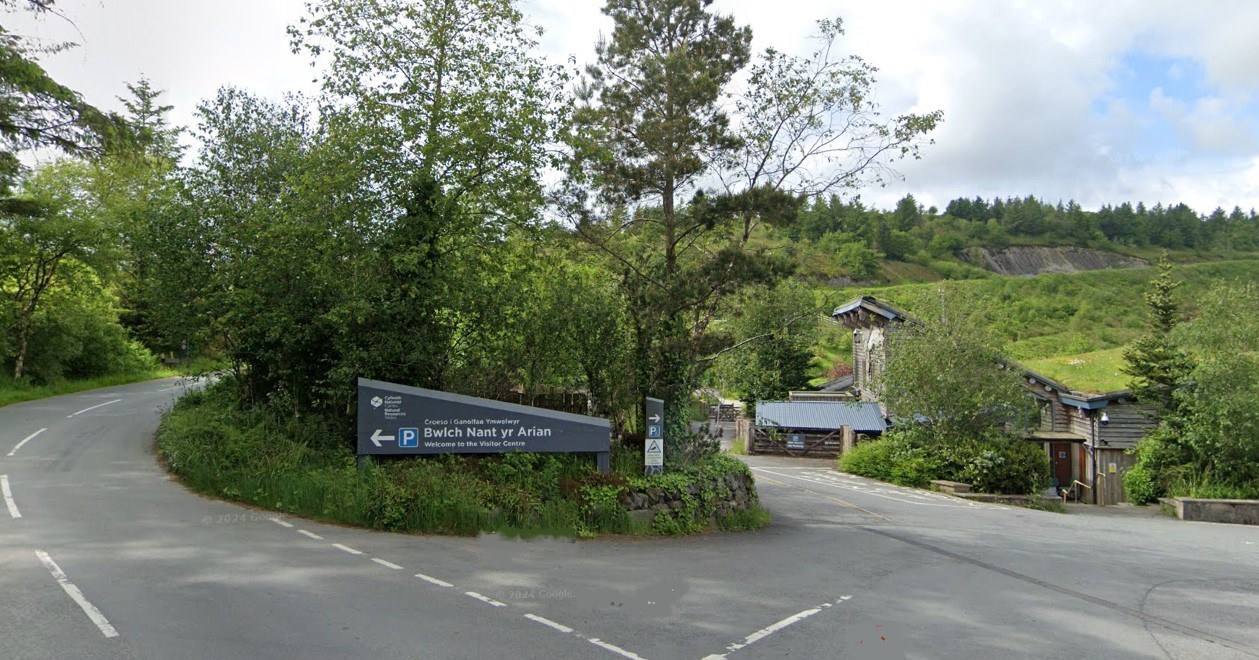
A new barrierless car parking system using automatic number plate recognition (ANPR) technology is to be introduced at three popular visitor sites later this month.
Natural Resources Wales (NRW) has confirmed that the upgraded system will be installed at Coed y Brenin, Bwlch Nant yr Arian and Newborough National Nature Reserve and Forest.
Installation work is scheduled to begin during the week commencing 16 March, with the new parking system set to go live on 30 March.
The scheme will be managed in partnership with parking management company First Parking and payment platform RingGo, following a procurement process.
Under the new system, visitors will no longer need to collect a ticket or pass through barriers when entering or leaving the sites. Instead, number plate recognition cameras will record vehicle arrivals and departures.
Parking payments can be made online, through a mobile app, or by card at physical parking machines located on site. Visitors will also be able to extend their parking time remotely using the app or online payment system.
Drivers will have until midnight on the day of their visit to pay for parking, and a 30-minute grace period will apply after arrival before charges begin.
Natural Resources Wales said the changes are designed to make parking easier and more convenient for visitors while also helping to improve site management.
However, overnight parking will remain prohibited at all NRW sites. Vehicles found parked overnight may be issued with a penalty charge notice.
Anti-social behaviour
Neil Stoddart, NRW’s Head of Sustainable Commercial Development, said the new system would improve services for visitors while helping to address issues such as anti-social behaviour.
“We are pleased to be working with First Parking and RingGo to introduce the new parking system to these three popular destinations,” he said.
“As well as providing a better service to visitors, the new system will provide CCTV which will assist with reporting and investigating anti-social behaviour and will allow us to monitor and issue Penalty Charge Notices for those parking overnight in our car parks.
“Income generated will be reinvested into our recreation and environmental assets in the area to help us support communities and visitors to connect with the outdoors and nature.”
First Parking is a parking enforcement company regulated by the British Parking Association, while RingGo is the UK’s largest parking app provider and is already used by many council car parks across Wales.
Natural Resources Wales said Blue Badge holders will continue to be able to park free of charge, and there will be no changes for residents who are currently eligible for free parking.
Further information, including details on how to apply for a season pass, is available on the Natural Resources Wales website.
Support our Nation today
For the price of a cup of coffee a month you can help us create an independent, not-for-profit, national news service for the people of Wales, by the people of Wales.



Have to question why Natural Resources Wales decided such sites in Wales were out-sourced to a London based private parking company who will cream away any profit. Not only that, half the value of any PCNs issued to transgressors will be banked as commission by these private bounty hunters, as will a commission on the payment app. Many councils in Wales use a collection agent for parking, ANPR and PCNs, like the country parks owned by Carmarthenshire County Council, so all revenues go into local coffers. Why is Neil Stoddart for NRW signing contracts to export cash to London? We… Read more »
More places we can’t visit.
Make parking free it will increase secondary spend and it usually cost more to collect.
The outsourcing companies taking money out the area is another concern