


Prehistoric Bronze Age burial mound damaged by vehicle
Nation.Cymru staff
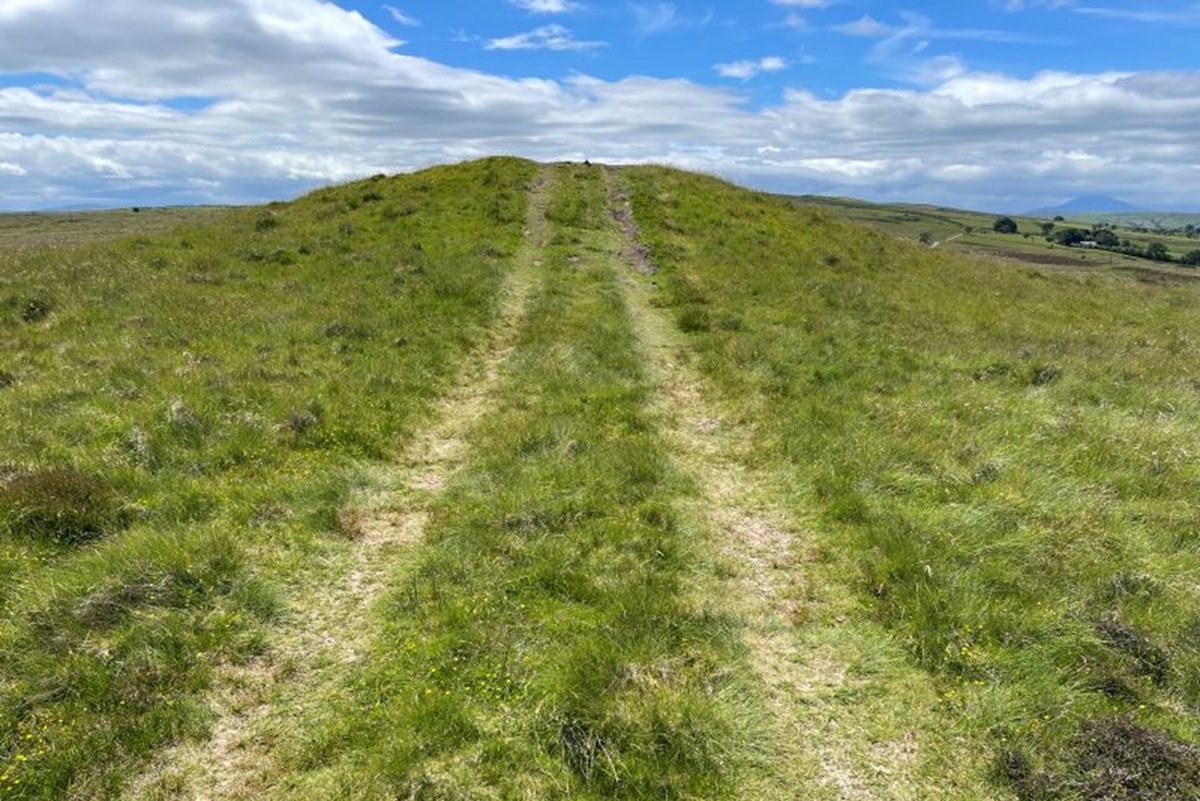
North Wales Police has launched an investigation after a prehistoric Bronze Age burial mound on Mynydd Hiraethog was damaged by a vehicle.
The scheduled ancient monument, near Tan y Foel alongside the Llansannan to Rhyd-y-Bedd minor road, was driven over in an incident being investigated jointly with Cadw.
The burial mound is protected under the Historic Environment (Wales) Act 2023 because of its archaeological and historical significance.
Officers are now appealing for information to identify the vehicle involved.
PC Dave Allen said: “The team, alongside Cadw, work to protect these monuments for present and future generations.
“Not only is the monument of national importance to the archaeological community, but it is part of our heritage and should be respected.
“We are keen to trace the owners of any vehicles witnessed upon the monument and I am appealing to anybody with information to get in touch.”
Anyone with information is asked to contact North Wales Police on 101 or via its website, quoting reference number 26000484800. Information can also be passed anonymously to Crimestoppers.
The damaged monument forms part of one of Wales’ most significant prehistoric landscapes. The moorland of Mynydd Hiraethog contains an internationally important collection of burial and ceremonial monuments dating from the late Neolithic and early Bronze Age.
According to Heneb – The Trust for Welsh Archaeology, the burial mounds that dominate the area’s ridges have been the subject of extensive archaeological research, particularly following investigations carried out before the construction of Llyn Brenig reservoir in the 1970s.
Those excavations transformed understanding of prehistoric ceremonial landscapes, revealing how communities between around 2100 BC and 1500 BC created an interconnected network of burial cairns, ceremonial monuments and ritual sites across the uplands.
Sacred landscape
Researchers believe the monuments were not simply places for burial but formed part of a sacred landscape used for ceremonies over several centuries. Some were positioned on prominent ridges and hilltops where they remain visible for miles, while others overlooked valleys where the communities that built them are thought to have lived.
The monuments also provide evidence of how Bronze Age communities organised and divided the landscape, with their placement thought to mark territories, grazing areas and places of spiritual importance.
Many of the reconstructed monuments now form part of an archaeological trail, helping visitors understand one of Britain’s best-preserved prehistoric ceremonial landscapes.
Support our Nation today
For the price of a cup of coffee a month you can help us create an independent, not-for-profit, national news service for the people of Wales, by the people of Wales.
Get more trusted Welsh news
Choose Nation.Cymru as a preferred source in Google News to see more of our journalism.



That track looks well used to me and certainly does not look like damage caused by one vehicle.
This is increasingly common. Bronze age barrows and ditches are being used as obstacle courses by ‘green laners’ who often travel miles to use them. It is time that Cadw fenced off those sites that are at risk.
Often see convoys of them coming into Cymru along the A5, with their snorkel exhausts, winches and over sized tyres. Sure many are not strictly road legal.
This is cultural vandalism. Makes me so angry to see these mindless morons use Wales as a playground to use and abuse.
Farmers do it they have driven over the Cairn hear the standing stone Carreg Bicca A Scheduled Monument in Dyffryn Clydach, Neath Port Talbot (Castell-nedd Port Talbot) tractor tire marks straight over the top of it but that’s on private land.