


Proposed law would shine ‘sunlight’ on UK Government lobbying
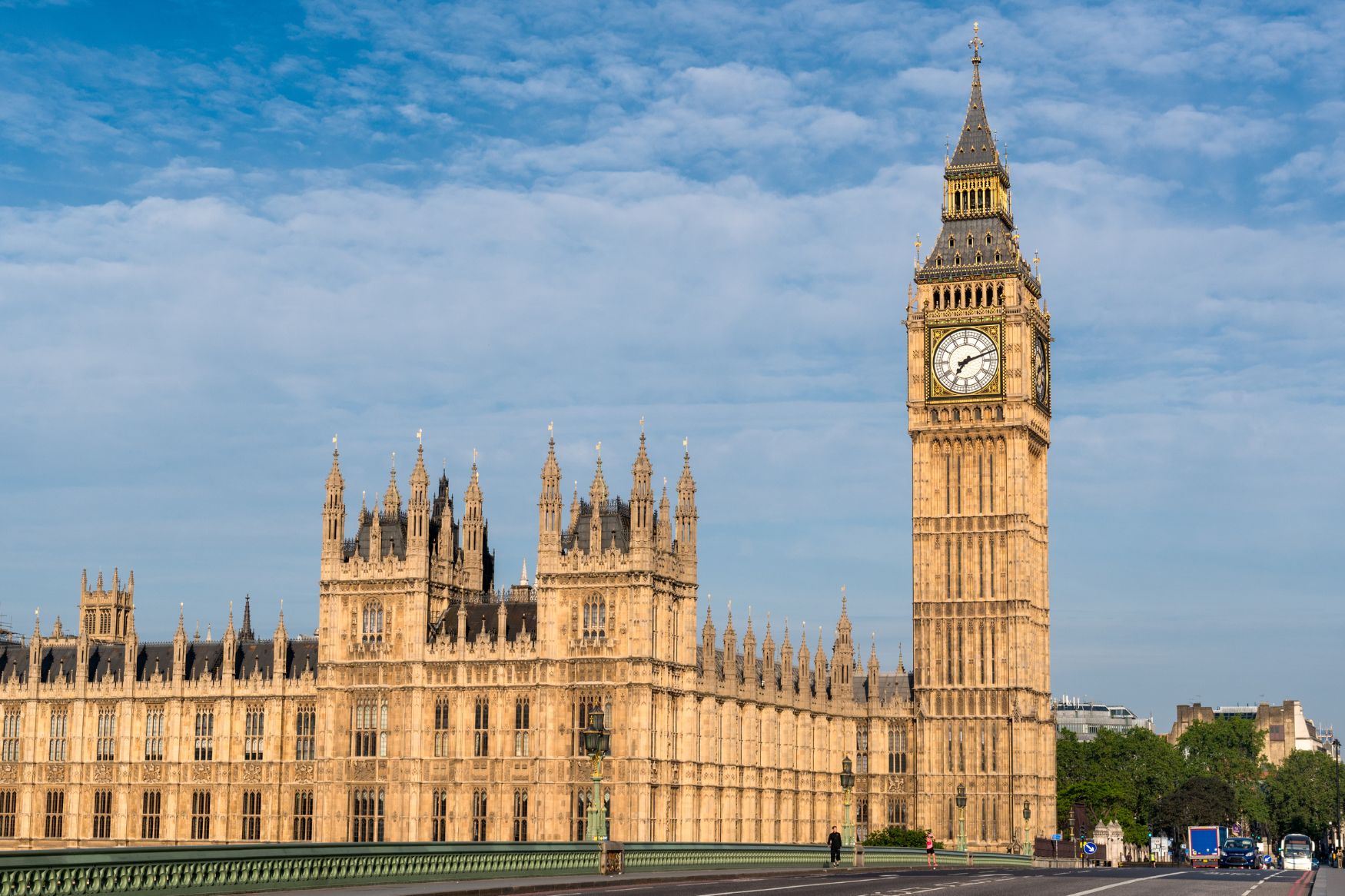
A proposed law increasing lobbying transparency would shine “sunlight” on who has the ear of UK Government, Parliament has heard.
Baroness Hayter of Kentish Town argued the current system captures around “5% of this country’s lobbying activity”, and we should not wait “until we have another scandal” before bringing in tighter measures.
The Labour peer said a “bit of sunlight will do no one any harm”, with her Lobbying Transparency (In-house Lobbyists) Bill extending the existing register to cover more lobbyists.
The Bill received an unopposed second reading, as is convention for Private Members’ Bills in the Lords, and will undergo further scrutiny at a later stage.
Cabinet Office minister Baroness Anderson of Stoke-on-Trent said there is “unfinished business” surrounding transparency of lobbying, but said she could not support the legislation.
She told peers: “We know there is more that can be done on transparency around lobbying, and that is exactly why the Prime Minister has commissioned the Ethics and Integrity Commission to report on this matter, and I look forward to their report.
“However, until we have their report, the Government is not in a position to make any policy commitments on reform, and therefore I cannot support the Bill.”
While increasing transparency received support across the chamber, Conservative peers also said they could not support the Bill in its current form, insisting it was too broad.
Addressing peers on Friday, Lady Hayter stressed she was pro-lobbying, and good governance “depends on decision-makers hearing from a wide range of voices”.
However, she said her Bill would ensure the register “no longer just captures the tiny minority operating as consultants”.
“We should all know who has the ear of government,” she said.
“Legitimate representations should be open and above board, not hidden below the waves. This Bill is about transparency and that is crucial for public trust.”
She argued the current system fails to capture “in-house” lobbying, where companies, charities, trade unions and think tanks approach governments directly.
“Any organisation that uses its own people, whether its public affairs department or indeed its chief executive or chair, to speak to government – and that could be the big pharmaceutical companies, drinks trade associations, defence companies, big tech developers – they can see a minister with no requirement to register or to report, and no obligation to sign up to a code of conduct,” she said.
“That’s an inequality of openness between those making their case to government themselves and those who use an outside agency to help.”
Shadow Cabinet Office minister Baroness Finn said it was an “interesting Bill” but the Tory benches could not support it “in its current form”.
Lady Finn argued it failed to target specific groups and could cover “almost all persons communicating with ministers”.
“Yes, many would like to see greater transparency of engagements between stakeholders and ministers, but that broad and well-intentioned principle would represent a huge administrative burden on business,” she said.
“We are concerned that such a burden would disincentivise businesses, charities and other stakeholders from engaging freely with ministers.”
Support our Nation today
For the price of a cup of coffee a month you can help us create an independent, not-for-profit, national news service for the people of Wales, by the people of Wales.
Get more trusted Welsh news
Choose Nation.Cymru as a preferred source in Google News to see more of our journalism.



Exactly. It is a scandal that has been going on for a generation and more. In terms of Wales then sad that NC hasn’t t followed up its piece on Huw ID and his son. Also sad that the AMs who voted against having a register of lobbying interests for the Senydd (we didn’t have one to start with, which is appalling) haven’t been asked why. Neagle the ex education minister was amongst them. Why would she vote against?